I once watched a wedding coordinator spend forty minutes debating the “visual narrative” of a micro-green garnish while the kitchen was simultaneously drowning in a sea of unlabelled dietary requirements. It was a disaster in slow motion. People think that figuring out how vegetarian and vegan menus are planned is some sort of high-concept culinary art project, but they couldn’t be more wrong. In reality, it’s a high-stakes math problem involving prep times, cross-contamination risks, and plate counts. If you treat a vegan meal like a mere afterthought or a “special request,” you aren’t just being rude to your guests; you are actively sabotaging your service flow and inviting a bottleneck that will stall your entire evening.
I’m not here to talk to you about the “soulfulness” of seasonal vegetables or how to style a radish. I’m here to tell you how the sausage—or in this case, the cauliflower steak—actually gets made. I’m going to pull back the curtain on the logistical reality of scaling plant-based options without crashing your kitchen or blowing your budget. We’re going to look at the actual mechanics of how these menus are built so that when the clock is ticking toward the licence end, the food actually comes out on time.
Table of Contents
Nutritional Balance in Plant Based Diets Avoiding the Post Dinner Slump
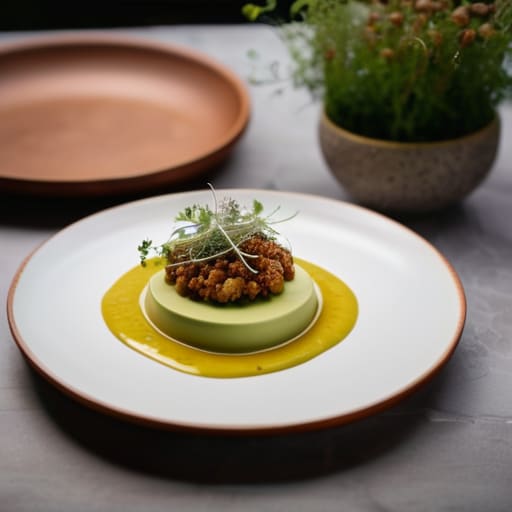
The biggest mistake I see in wedding catering isn’t a lack of creativity; it’s a lack of fuel. I’ve sat through enough receptions where the “plant-based option” was essentially a pile of roasted root vegetables and a lonely piece of sourdough. It looks lovely on a plate, sure, but by 10:00 PM, when the dancing should be peaking, your guests are hitting a wall. That heavy, lethargic “post-dinner slump” usually happens because the meal was all simple carbohydrates and zero substance.
To avoid this, you have to move beyond the salad bowl. True nutritional balance in plant-based diets requires a strategic approach to protein sources for vegan menus—think lentils, chickpeas, or even high-quality tempeh—that provide sustained energy rather than a quick glucose spike. You aren’t just feeding people; you are managing their stamina. If you don’t engineer the menu to include enough density to keep them upright, you’ll find the dance floor emptying just as the band is hitting their stride. It’s about making sure the food works as hard as the guests do.
Protein Sources for Vegan Menus Solving the Satiety Problem
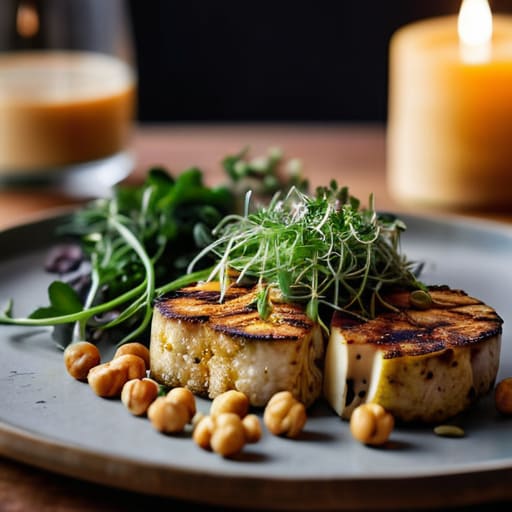
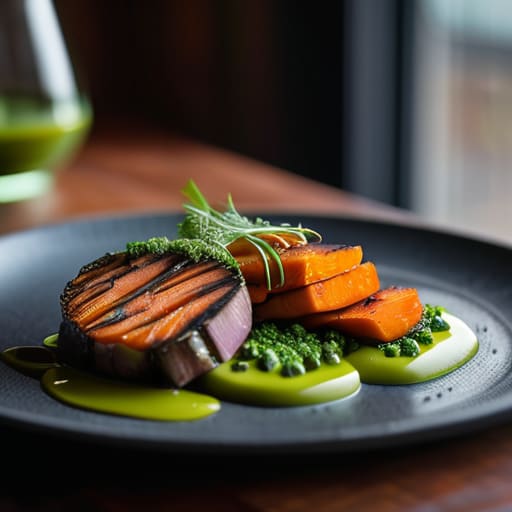
The biggest mistake I see in event planning isn’t a lack of creativity; it’s a lack of substance. You can serve the most beautiful, micro-green-topped cauliflower steak in the world, but if your guests leave the table feeling like they’ve only eaten a side dish, you haven’t planned a meal—you’ve planned a snack. When we talk about protein sources for vegan menus, we aren’t just looking for something to fill a gap; we are looking for something that anchors the plate. If the protein doesn’t hit, the energy levels drop, and by the time the first dance rolls around, half your wedding party is looking for a kebab shop.
This is where menu engineering for dietary restrictions becomes a tactical necessity rather than a dietary afterthought. I’ve seen caterers try to hide behind heavy creams or excessive starch to mask a lack of satiety, but that’s a short-term fix that leads to a long-term slump. You need legumes, grains, or high-quality meat alternatives that can stand up to the heat of a busy service. It’s about finding that structural integrity in the food so the guest feels full, satisfied, and—most importantly—ready to actually enjoy the party.
The Logistics of the Plate: Five Rules for Keeping the Service Moving
- Stop treating dietary requirements like an afterthought; if you wait until the final week to finalize your vegan counts, you’ve already lost the battle with the kitchen’s prep schedule.
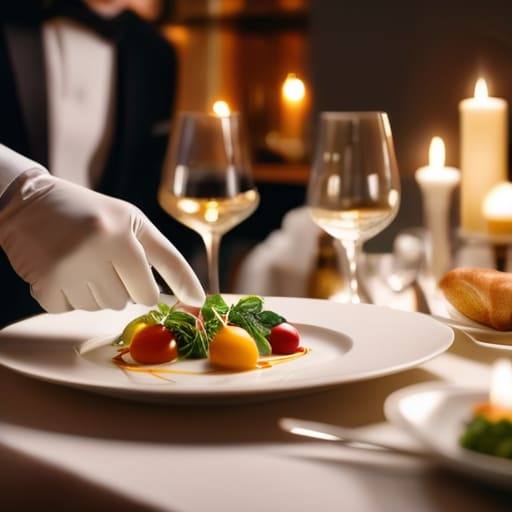
- Watch the plating time, not just the ingredients; a complex, multi-component vegan risotto takes significantly longer to plate than a steak, and if you don’t account for those extra thirty seconds per person, your entire service will drift twenty minutes past the licence end.
- Budget for the “hidden” costs of substitution, because high-quality plant-based alternatives aren’t cheap, and if you try to save money by cutting corners on the protein, you’ll be the one listening to guests complain about being hungry during the speeches.
- Coordinate the “gap” between courses; if you’re serving a heavy, starch-based vegetarian main, you need to ensure the preceding starter doesn’t leave the guests too full to enjoy the rest of the evening before the dance floor opens.
- Test the temperature stability of your menu; a beef fillet holds heat reasonably well in a warming drawer, but a delicate vegetable terrine or a delicate emulsion can go cold in the time it takes to navigate a crowded room of two hundred people.
The Bottom Line on Plant-Based Logistics
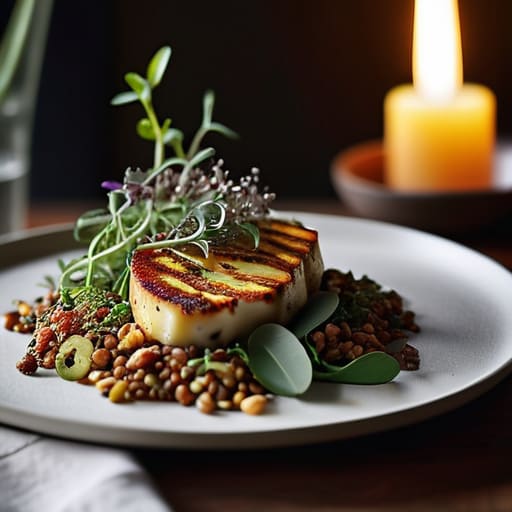
At the end of the day, planning a successful vegetarian or vegan menu isn’t about checking a dietary box to satisfy a spreadsheet; it’s about managing the physical reality of your guests. You’ve looked at the protein requirements to ensure nobody is eyeing the bread basket by 9:00 PM, and you’ve balanced the nutrients to avoid that dreaded mid-reception energy crash. If you miss the mark on satiety or flavor density, you aren’t just failing a dietary requirement—you are undermining the entire flow of the evening. When the food is heavy on filler and light on substance, the service slows down, the mood dips, and suddenly you’re fighting a room full of hungry people just as you’re trying to transition to the speeches.
My advice? Stop looking at plant-based dining as a “special request” and start treating it as a core logistical pillar of the event. When you plan with the same rigor for a vegan risotto as you do for a prime rib, the entire room feels the difference. The most seamless weddings I’ve managed are the ones where the dietary restrictions didn’t feel like a detour, but like part of the original design. Get the timings right, get the protein levels sorted, and ensure the kitchen has the space to execute. If you nail the logistics, the guests won’t notice the lack of meat—they’ll only notice how effortless the night feels.
Frequently Asked Questions
How do you manage the extra prep time in the kitchen when a vegan menu requires significantly more intricate knife work or specialized sauces?
You don’t “manage” it; you build it into the prep schedule before the first guest even arrives. If a vegan menu relies on hand-turned root vegetables or a complex emulsion that can’t be stabilized, you can’t expect the line to catch up during service. I tell my chefs: if the knife work is that intensive, it’s a prep-day task, not a service-time task. You schedule the extra labor hours upfront, or you’ll be staring at a backed-up kitchen while the wedding breakfast waits.
If we are running a tight service window, how do we prevent a plant-based meal from lagging behind the meat-eaters and leaving half the room staring at empty plates?
The mistake people make is treating vegan plates as an afterthought or a “special request” handled at the back of the kitchen. If you’re running a tight window, you cannot have a separate workflow for dietary requirements. You plan the plant-based dish to be structurally identical to the meat option—same plating complexity, same heat retention, same number of components. If the beef takes four minutes to sear, your roasted cauliflower better be ready at the exact same second. You don’t win a wedding by having the vegans eating while the rest of the room is still waiting for their wine poured.
What’s the best way to handle "hidden" dietary requirements when a guest's idea of vegan is different from what the caterer has actually planned?
The “hidden” dietary requirement is usually a collision between a guest’s ethics and a caterer’s interpretation. I’ve seen it a dozen times: a guest thinks “vegan” means no honey or no processed sugar, while the kitchen thinks it just means no meat. The fix isn’t more arguing; it’s the pre-event briefing. You demand a definitive ingredient list from the caterer and cross-reference it against the guest list. If there’s ambiguity, you plan for a “safety” plate—something simple, boring, and undeniably vegan—that can be plated in thirty seconds without stalling the service.