I once watched a couple spend six months obsessing over the exact shade of sage green for their napkins, only to realize forty-eight hours before the wedding that they’d blown their entire contingency fund on a five-course tasting menu that required twelve servers just to keep the plates warm. They were so focused on the “experience” that they forgot the math. If you’re scrolling through Pinterest looking for ways to save, you’re being sold a dream that ignores the reality of the bill. Learning how to manage catering on a budget isn’t about choosing cheaper ingredients or cutting corners on the food itself; it’s about understanding the hidden logistics that turn a modest meal into a financial black hole.
I’m not here to tell you to serve lukewarm sliders or skip the wine entirely. My job is to show you where the real money leaks out—the service ratios, the equipment rentals you don’t actually need, and the timing errors that force you to pay overtime. I’m going to give you the unvarnished truth about what actually works when the pressure is on and the licence end is looming. We’re going to focus on the mechanics of the meal so you can actually afford to enjoy it.
Table of Contents
Minimizing Catering Overhead Costs Through Brutal Logistics
If you want to stop the bleeding on your catering bill, you have to stop looking at the menu and start looking at the floor plan. Most people think saving money is about choosing chicken over beef, but that’s amateur hour. Real minimizing catering overhead costs happens in the gaps between the service. For instance, if you opt for a plated three-course meal, you aren’t just paying for the ingredients; you’re paying for the extra hands required to ensure every plate hits the table at the same time. I’ve seen “affordable” menus turn into expensive disasters because the client didn’t realize a seated service requires twice the staff of a buffet.
Another way to tighten the belt is through seasonal ingredient selection for catering. If you’re asking a chef for asparagus in the middle of February, you’ve already lost the battle. You are paying a premium for transport and logistics that have nothing to do with taste. Instead, lean into what is actually growing. It’s better for the budget, it’s fresher, and it keeps the kitchen from scrambling. Focus on cost-effective event food planning by choosing dishes that require less specialized prep and fewer high-maintenance components. Keep the logistics simple, and the costs will follow suit.
The Strategic Art of Seasonal Ingredient Selection for Catering

Look, I’ve seen too many planners get seduced by a picture of a perfect summer berry tart in the middle of a November booking. It looks stunning on Instagram, but the invoice that follows will make your eyes water. When you’re looking at seasonal ingredient selection for catering, you aren’t just being “eco-friendly”—you’re being smart about your margins. If you try to force a menu to feature out-of-season produce, you aren’t just paying a premium for the ingredients; you’re paying for the logistics of getting them flown halfway across the world just to have them arrive wilted.
The secret to cost-effective event food planning is working with the calendar, not against it. If it’s autumn, lean into root vegetables, squash, and hearty grains. They are cheap, they travel well, and they fill people up without needing a massive portion of expensive protein to feel substantial. By aligning your menu with what’s actually growing in the ground right now, you stop fighting the supply chain and start letting it work for you. It’s the difference between a menu that feels forced and one that actually makes sense for the budget.
The Hidden Math of the Menu: 5 Ways to Stop Bleeding Cash
- Stop chasing the “signature cocktail” trap. If you want a specific drink, fine, but don’t try to build a full bar around it. Every unique spirit or niche liqueur adds a layer of inventory cost and service time that kills your budget. Stick to a tight, high-quality selection that your bartenders can pour in three seconds flat, or you’ll end up paying for extra staff just to manage the queue.
- Rethink your service style before you sign the contract. A formal, seated three-course meal is a beautiful way to spend a fortune on waitstaff and linen rentals. If the goal is a party, look at heavy hors d’oeuvres or a high-end buffet. Just be careful: if you go buffet, you better have enough space for the line to move, or you’ll have a room full of hungry guests staring at their watches.
- Watch the “service per head” creep. Caterers are honest people, but they have to account for the reality of the room. If you’re planning a tight turnaround between the ceremony and the meal, you can’t skimp on the staff. I’ve seen people try to save £200 by cutting one server, only to have the entire dinner service run forty minutes late. That’s when the “fun” atmosphere turns into a room full of irritable people.
- The “Bread and Butter” rule of filler. It sounds old-school, but high-quality, substantial starters—think a decent bread service or a hearty seasonal soup—can allow you to scale back the portion sizes of the more expensive proteins later in the meal. It keeps the guests’ blood sugar stable and keeps the “hunger complaints” to a minimum without requiring a kilo of fillet steak per person.
- Account for the “invisible” logistics of the venue. Before you commit to a menu, check the power and the prep space. If your caterer has to bring in a mobile kitchen or a massive generator because the venue’s plug points can’t handle three industrial ovens, that cost is coming straight out of your food budget. Always ask: “What does the venue provide, and what am I paying the caterer to bring in?”
The Bottom Line

At the end of the day, managing a catering budget isn’t about deprivation; it’s about ruthless prioritization. You’ve looked at the logistics, you’ve leaned into the seasonal produce that doesn’t cost a fortune, and you’ve hopefully realized that a fancy menu is useless if the service timing falls apart. Remember, you can shave money off the appetizers or the late-night snacks, but you cannot shave money off the operational efficiency required to actually get the food to the tables before the licence end looms over you. If you focus on the flow of the room and the reality of the service, the cost savings will follow naturally without making your guests feel like they’re at a budget conference.
If there is one thing nine hundred weddings have taught me, it is that guests rarely remember the exact price of the sea bass, but they always remember if they were hungry or if the room felt chaotic. A well-managed budget allows you to direct your funds toward the things that actually matter: good, reliable service and enough drink in people’s hands to keep the atmosphere alive. Stop chasing the Pinterest-perfect trends that require a small army of staff to execute. Instead, plan for the reality of your space and your schedule. When the logistics are tight and the timing is disciplined, even a modest menu feels like a luxury.
Frequently Asked Questions
How much extra buffer should I actually build into the budget for "hidden" costs like service staff, glassware breakage, and linen rentals?
Listen, if you’re budgeting to the penny, you’ve already lost. I tell every client to bake in a 15% “chaos buffer.” That isn’t for fancy upgrades; it’s for the reality of a broken wine glass, the extra hand needed when the buffet line stalls, or the linen rental that arrives smelling like a damp basement. If you don’t account for the friction of human error and logistics, you’ll be staring at a deficit before the first toast is even poured.
If I opt for a buffet to save on labor, how do I stop the food from looking like a school canteen and the queues from eating up my entire reception window?
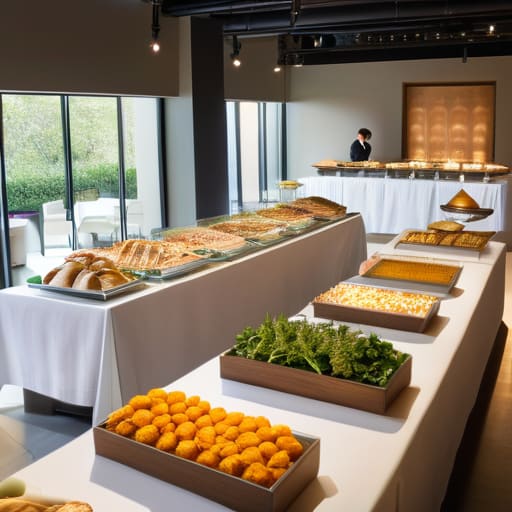
The trick is to stop thinking of a buffet as a single line and start thinking of it as a series of controlled flows. If you have 100 people hitting one trough, you’ve just lost forty minutes of your reception to a queue. Break it up. Run two identical stations at opposite ends of the room. To avoid the “canteen” look, ditch the chafing dishes and focus on height—use crates, stands, and greenery to create levels. It’s about visual architecture, not just food.
At what point does cutting the budget on food quality start to actively sabotage the timing and flow of the rest of the evening?
The moment you switch from “quality ingredients” to “cheap fillers” is exactly when your timeline starts to bleed out. Cheap, processed food takes longer to reheat, sits in lukewarm trays, and—most importantly—doesn’t satisfy. You’ll end up with a room full of hangry guests, which is a recipe for a restless crowd. When people aren’t fueled properly, the transition to the speeches or the dancefloor stalls. You aren’t just saving money; you’re buying a logistical headache.