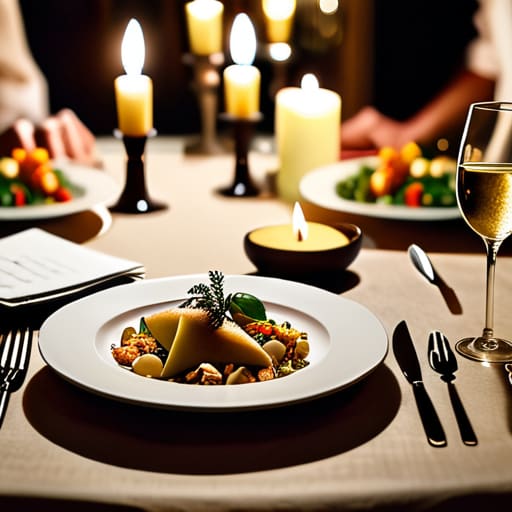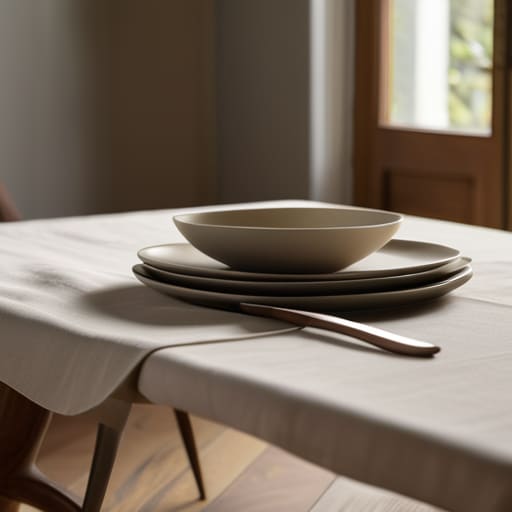
I once watched a bride spend three months obsessing over the exact shade of “dusty rose” for her napkins, only to have the entire evening descend into chaos because she hadn’t accounted for the sheer physical footprint of the chargers and glassware. People spend a fortune on Pinterest-perfect aesthetics, but they rarely understand how linen and table setting work in a real-world, high-pressure environment. You can have the most exquisite silk runners in the world, but if they’re so thick that your guests can’t actually find their cutlery, or if the table setting is so crowded that the servers can’t navigate the aisle with a tray of hot plates, you haven’t designed a dining experience—you’ve designed a bottleneck.
I’m not here to talk to you about color palettes or seasonal trends; I’ve seen enough of those to last three lifetimes. Instead, I’m going to pull back the curtain on the actual mechanics of the tabletop. We’re going to look at the spatial reality of your floor plan, the durability of your fabrics under a spilled glass of Cabernet, and why the way you layer your settings can either facilitate a smooth service or turn your dinner into a logistical nightmare. This is about making sure the elegance actually functions when the clock is ticking.
Table of Contents
Mastering the Math a Tablecloth Dimensions Guide
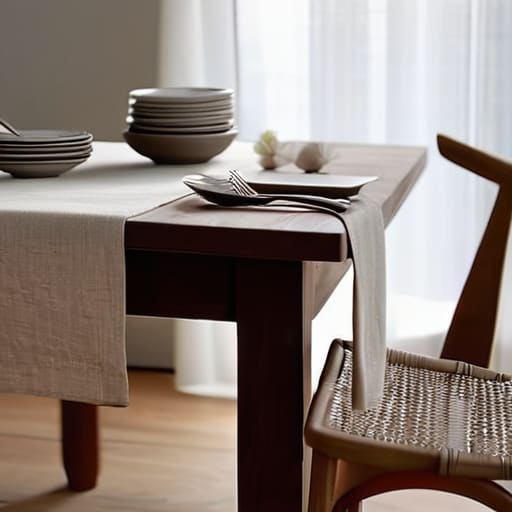
Most people look at a table and see a surface for plates. I look at a table and see a math problem involving gravity and floor clearance. If you’re using a tablecloth dimensions guide you found on a Pinterest board, be careful; those are often designed for aesthetics, not for the reality of a guest trying to pull out a chair without getting tangled in a sea of polyester. You need to decide if you want a full-drop—where the fabric grazes the floor—or a mid-drop that stops just above the lap. A full-drop looks expensive, but it’s a tripping hazard for the waitstaff during a high-pressure service, and it’s a nightmare if you’re trying to hide a slightly uneven floor.
The real danger is the “floating” look—when the cloth is too small and leaves a gap of bare wood between the edge of the fabric and the floor. It looks unfinished, and it makes the whole room feel cheap. When you’re calculating your drop, always account for the weight of the service. Heavy stoneware and silver require a stable foundation; if your linen is too light or too small, the whole setup feels precarious. Get the math right, or you’ll spend the entire evening watching guests struggle with their seating.
Linen Texture and Aesthetics Building the Visual Foundation
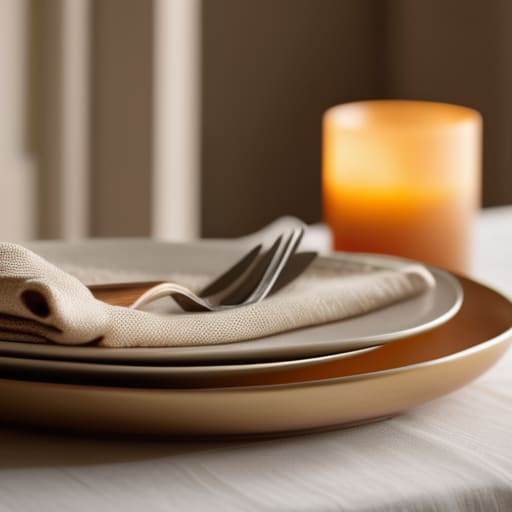
Now, let’s talk about the sensory side of things, because this is where people usually get distracted by the “pretty” and forget the practical. When you’re looking at linen texture and aesthetics, you aren’t just picking a colour to match the bridesmaids; you are deciding how much light the room absorbs and how much noise the guests are going to make. A heavy, textured damask feels expensive and anchors a room, but it’s a beast to iron if it isn’t perfect. On the flip side, a lightweight gauze or linen blend looks incredible in those filtered, sunset wedding photos, but it shows every single wine spill and breadcrumb within twenty minutes of the first course being served.
Don’t fall into the trap of thinking a single texture does the job. If you’re using a heavy base cloth, you need a contrasting element—maybe a silk-blend napkin or a structured runner—to stop the table from looking like a flat, lifeless sea of fabric. I’ve seen too many “effortless” setups where the table runner styling tips they found on Pinterest completely ignored the physical footprint of the centerpieces. If your runner is so thick and textured that it pushes the glassware toward the edge of the table, you aren’t creating an aesthetic; you’re creating a trip hazard for the waiters.
The Logistics of the Layout: 5 Things Your Mood Board Won't Tell You
- The “Elbow Room” Rule: You can spend a fortune on heavy-gauge damask, but if you haven’t accounted for the physical footprint of the charger plate, the cutlery, and the wine glasses, your guests are going to be fighting for space like they’re in a crowded pub. A beautiful setting that leaves no room for a bread roll is a failed setting.
- The Napkin Weight Factor: I’ve seen a thousand weddings where the “aesthetic” linen napkin is so light and airy that it’s blowing off the table every time someone walks past or a breeze hits the terrace. If it doesn’t have enough weight to stay put, or if you haven’t budgeted for heavy napkin rings, you’re just adding a task to your floor staff’s list.
- The Under-Table Reality: Never forget that what happens beneath the linen matters. If you’re using thin, cheap polyester, every unsightly cable from a speaker, every stray piece of catering equipment, and every uneven floorboard is going to show through like a bad bruise. Use a heavy enough drop to mask the chaos underneath.
- The Service Path Clearance: When you’re planning your table settings, stop looking at the center of the table and start looking at the perimeter. If your centerpiece is massive and your place settings are wide, you’re shrinking the “service corridor.” If my staff can’t navigate between the chairs to clear plates without bumping a guest, your “grand design” is a bottleneck.
- The Timing of the Unfold: Linens are a ticking clock. If you’re doing a room turnaround—moving from a ceremony setup to a seated dinner—you need to know exactly how long it takes to strip, wash, iron, and re-lay. You can’t wish a tablecloth onto a table at 4:55 PM when the licence ends at 5:00 PM; you need to plan the physical movement of the fabric into your countdown.
The Final Audit
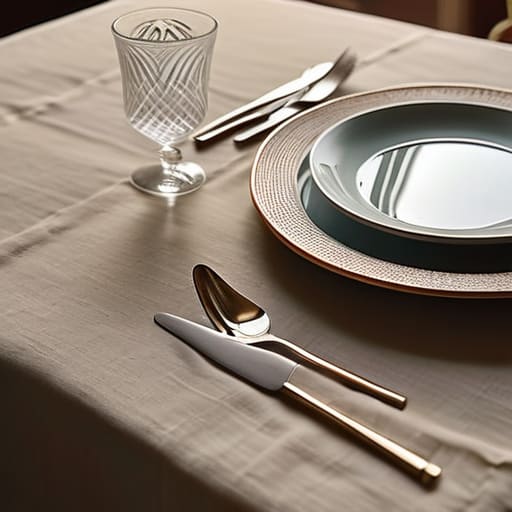
At the end of the day, your table setting is a balancing act between what looks good in a staged photograph and what actually survives a three-course meal. You’ve checked the math on the tablecloth drop so you aren’t tripping guests up, and you’ve picked a linen texture that won’t look like a crumpled mess the moment the first glass of red wine hits the surface. But remember, the most expensive silk in the world won’t save a table if you haven’t accounted for the physical footprint of the place settings or the space required for a server to actually reach the guest. If you get the dimensions right and the textures aligned, you aren’t just decorating; you are building a functional workspace for your catering team and a comfortable environment for your guests.
People will come to your event talking about the flowers or the music, but they will feel the quality of the planning through the ease of the evening. When the linens are crisp, the settings are intuitive, and the logistics are invisible, the event feels effortless. That “magic” everyone talks about isn’t some mystical occurrence; it is the result of someone who understood that true elegance is rooted in precision. Plan the logistics hard, account for the chaos, and then—and only then—can you actually sit down, pour a drink, and enjoy the party yourself.
Frequently Asked Questions
If I go with a heavy, textured linen to hide the cheapness of the rental tables, am I going to run into issues with the centerpieces sliding or the cutlery sitting unevenly?
You’ve hit on the classic “lipstick on a pig” strategy. It works, but only if you respect the physics. A heavy, textured linen is great for masking a scratched rental table, but if that fabric has too much “loft” or a heavy weave, it creates micro-valleys. Your centerpieces might not slide, but they’ll tilt, and your cutlery will look like it’s drifting downhill. If you go heavy on the texture, you better ensure the table underneath is dead level.
How much extra time do I actually need to build into the turnaround if we are switching from a cocktail-style setup to a formal seated dinner?
If you’re thinking you can flip a cocktail room to a seated dinner in forty-five minutes, you’re dreaming. You need ninety, minimum. You aren’t just moving chairs; you’re managing the “human friction” of guests wandering around while staff are sweating through their shirts trying to align centerpieces. Between the heavy lifting, the linen smoothing, and the inevitable moment someone trips over a wayward table leg, that extra forty-five minutes is the only thing saving your evening from total collapse.
Is it worth the extra spend on high-end napkins, or am I better off putting that budget toward ensuring the caterers have enough physical clearance between the place settings to actually serve the food?
Look, I’ve seen a $15 linen napkin get ruined because the guest couldn’t even reach their water glass without bumping a neighbor. If you’re choosing between luxury fabric and physical space, choose the space every single time. A high-end napkin won’t save a dinner service where the staff is performing gymnastics just to plate a starter. Buy the decent linen, but prioritize the elbow room. If people can’t eat comfortably, they won’t notice the thread count.