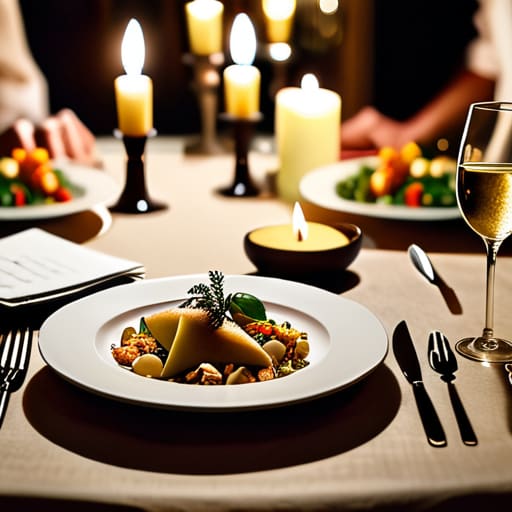
I once watched a bride go into full meltdown—not because of the wilted lilies or a late florist, but because her aunt with a severe nut allergy was sitting there staring at a plate of risotto like it was a crime scene. Everyone tells you that managing dietary restrictions at private parties is about being “inclusive” or “thoughtful,” as if it’s some grand, sentimental gesture. It isn’t. It’s a high-stakes game of logistical precision. If you treat allergies like an afterthought or a polite footnote on a menu, you aren’t being a host; you’re just waiting for a medical emergency to derail your entire evening.
I’m not here to give you a list of “inspirational” ways to cater to your guests. I’ve spent eighteen years watching how a single uncommunicated gluten intolerance can turn a seamless dinner service into a chaotic mess of apologetic waiters and hungry, angry people. Instead, I’m going to show you the unfiltered reality of how to actually handle this. We’ll talk about getting the lists to the kitchen early, how to brief your staff so they don’t guess, and why your timing is just as important as the ingredients themselves.
Menu Planning for Multiple Allergies Beyond the Basic Substitution
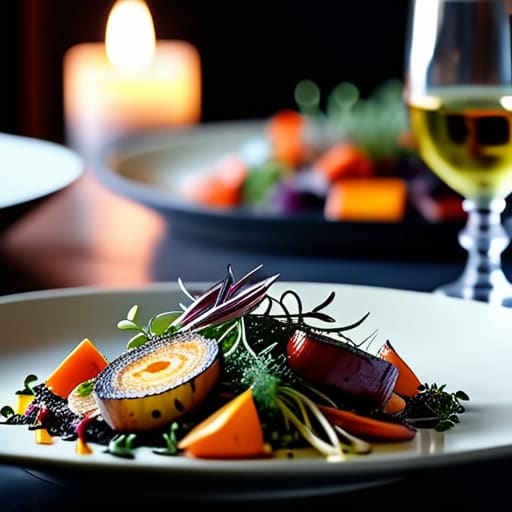
When you move past the “one vegan option” stage, you realize that menu planning for multiple allergies isn’t just about swapping butter for oil; it’s about preventing a logistical nightmare. If you have a guest with a nut allergy and another with a gluten intolerance, your “safe” dish can’t be a makeshift salad that’s been tossed in a bowl previously used for croutons. I’ve seen enough dinner services stall because a waiter had to run back to the kitchen to double-check if the pesto contained pine nuts. You want to design a menu where the “safe” food looks intentional, not like an afterthought served on a chipped side plate.
The real trick to hosting allergy-friendly dinner parties without losing your mind is building the restrictions into the foundation of the meal. Instead of trying to fix a dish at the last minute, choose ingredients that are naturally inclusive from the start. If the base of your meal is naturally gluten-free and dairy-free, you aren’t just managing a restriction; you’re streamlining your entire service. It keeps the kitchen calm, the guests feeling seen, and most importantly, it keeps the food moving toward the table before the conversation hits that awkward lull.
Hosting Allergy Friendly Dinner Parties Without Sacrificing the Flow
The biggest mistake I see when people are hosting allergy-friendly dinner parties is treating the “special meal” like an afterthought. You end up with a guest sitting there staring at a plate of plain steamed vegetables while everyone else is tucking into the main course. That isn’t hospitality; it’s a logistical failure that kills the momentum of the evening. If you want the night to feel seamless, you need to integrate those restrictions into the core menu from the start.
The secret to maintaining the flow is all about the service rhythm. If you are doing a plated dinner, ensure the “allergy” plates are the first ones out of the kitchen. There is nothing more awkward than watching a guest wait ten minutes for a safe meal while the rest of the table is already halfway through their wine. I also swear by labeling food for dietary needs using small, elegant cards rather than shouting across the table. It keeps the conversation focused on the guests, not their medical histories, and prevents that frantic, last-minute scramble when someone asks, “Is there nut oil in this?”
Five Ways to Stop Dietary Requirements from Derailing Your Evening
- Stop treating dietary needs like an afterthought; you need that list finalized and in the hands of your kitchen or caterer at least two weeks out. If you’re trying to tell a server about a nut allergy five minutes before the main course hits the table, you aren’t hosting a party, you’re managing a crisis.
- Build the menu with “safe” overlaps in mind. If you have three vegans and two gluten-free guests, don’t order three different special meals that require the kitchen to scramble. Design a base menu that is naturally inclusive so the “special” meal doesn’t look like a sad, lonely plate of steamed vegetables compared to everyone else’s.
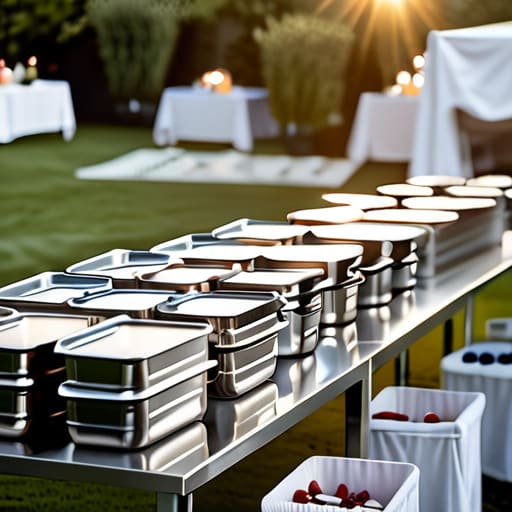
- Watch the buffet flow like a hawk. If you’re doing a buffet, you cannot have the gluten-free option sitting right next to the bread rolls without physical barriers. Cross-contamination is the silent killer of a smooth evening, and nothing kills the mood faster than a guest having to stop eating because they’re worried about a stray crumb.
- Brief your service staff—or your friends—on the “why.” If you’re running a more casual event, make sure the people handing out food actually know which dishes are safe. There is nothing more awkward than a guest asking a simple question and receiving a shrug, because it makes the whole operation look amateur.
- Budget for the complexity, not just the ingredients. If you know you have a high percentage of restricted diets, tell your caterer upfront. It’s better to pay the slightly higher premium for a bespoke menu during the planning stage than to face a chaotic, expensive scramble when the first guest announces they can’t eat anything on the table.
The Final Run-Through
At the end of the day, managing dietary restrictions isn’t about being a culinary magician; it is about rigorous, unglamorous preparation. You’ve got to get the lists to the kitchen early, ensure the service staff actually knows which plate belongs to the person with the nut allergy, and make sure your “alternative” meal doesn’t look like a sad afterthought served in a corner. If you nail the communication between your guest list and your caterer, you avoid that frantic, mid-service scramble where someone realizes they can’t eat the main course while everyone else is halfway through their dessert. It is all about protecting the rhythm of the room so that a medical necessity doesn’t turn into a logistical bottleneck.
When you get these details right, the magic happens in the silence. The guest with the allergy doesn’t feel like a “problem” to be solved; they just feel like a guest. They eat, they drink, and they stay part of the conversation because the logistics were handled before the first cork was even popped. A successful event isn’t measured by how many people noticed the effort, but by the fact that nobody had to mention it at all. Plan the hard stuff, respect the clock, and let the guests focus on the reason they showed up in the first place.
Look, if you’re trying to manage a complex guest list, you can’t rely on memory or a scribbled note on a cocktail napkin; you need a system that tracks these details from the moment the RSVP hits your inbox. I’ve seen more dinner services grind to a halt because a host forgot to cross-reference a dairy allergy with a specific sauce than I care to admit, and by the time the kitchen realizes the mistake, the momentum of the evening is already dead. I usually tell my clients to use a dedicated digital tracker or a structured spreadsheet to keep everything in one place, much like how people use specialized teen sex text chat platforms to manage specific, high-volume interactions, ensuring nothing slips through the cracks when the pressure is on. It’s about eliminating the guesswork before the first plate even leaves the pass.