I spent three hours last Saturday watching a bride weep quietly in the corridor because her Great Aunt Martha had brought a plus-one that wasn’t on the seating plan. Most wedding blogs will tell you that managing your guest list is about “curating an intimate circle of loved ones,” but let’s be honest: navigating wedding guest list logistics is actually a high-stakes game of Tetris played with people’s feelings and your catering budget. It isn’t about who you love most; it’s about how many bodies you can fit into a room before the bar queue stretches into the car park and the service starts to fail.
I’m not here to talk to you about colour palettes or the emotional significance of a guest list. I’m here to talk about the math. I’m going to show you how to build a list that doesn’t break your venue’s capacity, how to account for the “uninvited plus-one” phenomenon, and how to ensure your guest count actually aligns with your service timings. We are going to look at the hard numbers so that when the first toast is made, you aren’t worrying about the empty chairs or the overcrowded buffet.
How to Limit Wedding Guest Count Without the Drama
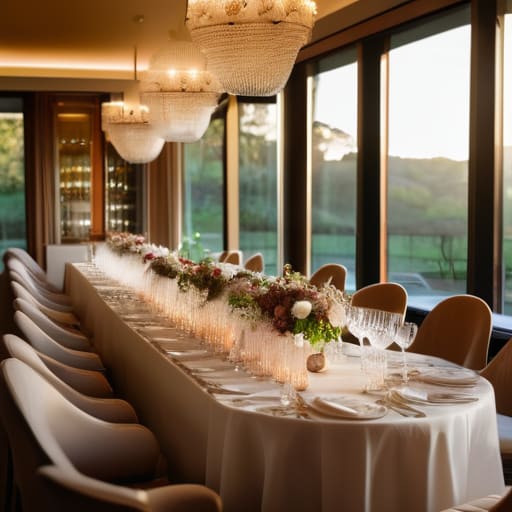
Look, I’ve stood in the back of rooms where the “vibe” was ruined because the floor was so packed with people that nobody could actually move to get to the buffet. When you’re trying to figure out how to limit wedding guest count without looking like the villain, you have to stop thinking about it as a social snub and start thinking about it as a spatial necessity. My rule of thumb? If you haven’t spoken to them in three years, they don’t need to see you exchange rings. It sounds harsh, but once you factor in the wedding budget guest list impact, you realize that every “maybe” on your list is actually a direct hit to your ability to afford the good wine or the extra hour of service.
The real trick to avoiding the fallout is setting hard boundaries before the first invite even hits the post. Don’t make it a sliding scale; that’s how you end up with an awkward conversation with an aunt who thinks she’s entitled to a plus-one for her goldfish. Decide on your tiers early—immediate family, close friends, and then the “it’s complicated” group. If you treat your guest list like a strict logistical calculation rather than a popularity contest, you’ll find the drama evaporates.
The Wedding Budget Guest List Impact You Havent Calculated
Most people look at their guest list and see a headcount; I look at it and see a cascading series of line items that will bleed your bank account dry. You think you’re just adding Uncle Bob and his three plus-ones, but you aren’t just paying for their plates. You are paying for the extra linen, the additional service staff required to keep the floor moving, and the increased pressure on the bar. The wedding budget guest list impact isn’t a straight line; it’s an exponential curve. Every person added is a new variable in the room’s logistics, from the power draw of the DJ’s setup to the sheer amount of glassware that needs to be washed and replaced.
Then there is the hidden cost of the “maybe” RSVPs. If you don’t master managing wedding RSVPs efficiently, you’ll end up over-ordering catering to be safe, only to pay for thirty expensive meals that end up in the bin. I’ve seen enough weddings where the budget collapsed because the couple forgot that a guest list isn’t just a social document—it’s a financial blueprint that dictates every single moving part of the day.
Five Ways to Stop Your Guest List From Breaking Your Venue
- Stop thinking about “people” and start thinking about “floor space.” A guest list isn’t just a headcount; it’s a physical footprint. Every person you add is another body taking up air, another chair that needs to be moved, and another person who will inevitably be standing in the doorway when the catering team needs to move a hot tray through. If your list is pushing your capacity to the limit, you aren’t just “full”—you’re one extra auntie away from a fire hazard and a very cramped dance floor.
- The “Plus-One” Domino Effect. You think you’re just adding one more person to a single friend’s invite, but you aren’t accounting for the ripple. Every plus-one is an extra drink ordered at the bar, an extra setting at the table, and an extra person competing for a seat during the speeches. Before you say yes to every “and guest,” do the math on what that extra person actually costs in terms of service speed and bar queues.
- Audit your “B-List” before the invites go out. I’ve seen too many couples panic-invite people three weeks before the wedding because they had cancellations. That is a logistical nightmare. It messes up the seating plan, confuses the caterer’s final numbers, and makes your “A-List” guests feel like they were just placeholders. If you have a B-list, have a strategy for it from day one, not as a frantic response to a Friday afternoon realization.
- The “Drink-to-Guest” Ratio. This is the one nobody talks about until the bar queue is twenty people deep and the groom is looking at me like it’s my fault. A larger guest list doesn’t just mean more people; it means a higher velocity of service. If you’re adding 20 people to a 100-person wedding, you aren’t just adding 20% more guests—you’re potentially increasing the pressure on your bar staff by much more. Scale your guest list alongside your service capacity, or prepare for a very thirsty, very frustrated crowd.
- Seating plans are not a jigsaw puzzle; they are a traffic management system. When you’re finalizing the list, don’t just look at who sits with whom. Look at where they sit in relation to the exits, the restrooms, and the buffet. If you cram too many people into a list without considering the flow, you’ll end up with a bottleneck of guests trying to get to the bathroom at the same time, effectively shutting down the room. Plan for movement, not just placement.
The Final Tally
At the end of the day, navigating your guest list isn’t about being “mean” or “exclusive”; it is about managing the physics of your venue and the reality of your bank account. You have looked at the hard numbers, you have accounted for the hidden costs of extra chairs and catering plates, and you have realized that a smaller, tighter group often means a far better experience for the people actually in the room. If you try to squeeze fifty extra bodies into a space designed for two hundred, you aren’t giving them a wedding; you are giving them a crowded room where nobody can move and the bar queue stretches into the next zip code. Logistics don’t care about feelings, but they do care about floor space and flow.
Once you have wrestled the spreadsheet into submission and trimmed the edges, take a breath. The goal of all this math and heavy lifting isn’t to create a perfect, sterile list—it is to clear the path so that when the music starts and the first toast is made, you aren’t thinking about the extra table you forgot to order or the caterer who can’t get through the door. When the logistics are solid, the magic actually has room to breathe. Trust the process, stick to your boundaries, and remember: a well-managed room is always better than an overcrowded one.
Once you’ve finally wrestled the numbers into something manageable, you have to face the reality of the physical space. A guest list isn’t just a tally of names; it’s a calculation of how many people are going to be fighting over the same bar at the exact same time, or how many chairs you actually need to fit between the buffet and the fire exit. I’ve seen too many “intimate” weddings turn into logistical nightmares because the couple forgot to account for the actual flow of movement. If you’re struggling to visualize how these numbers translate into a real-world setting, I suggest playing around with this platform to get a better sense of the scale you’re dealing with. It’s much better to catch a spatial error on a screen than to have a disgruntled uncle tripping over a floral arrangement because you didn’t leave enough room for a human being to walk past.