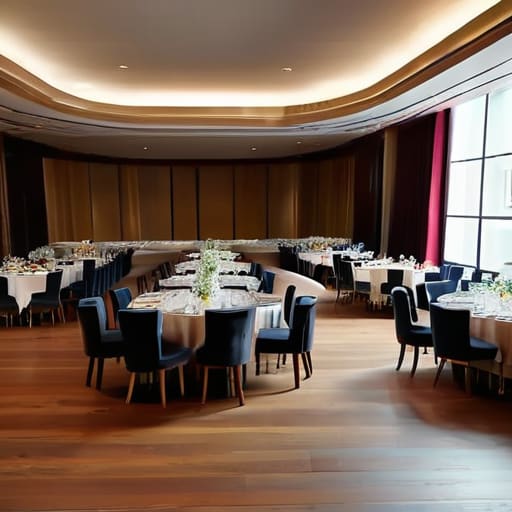
I once watched a wedding coordinator spend three thousand pounds on a bespoke, multi-channel digital comms system, only to have the entire evening descend into chaos because nobody actually knew how radio communication is organised on a practical level. They had all the bells and whistles, but when the caterer couldn’t find the service entrance and the bride’s father was demanding a last-minute change to the seating plan, the airwaves were nothing but unintelligible static and panic. It’s a classic mistake: thinking that expensive hardware can replace a disciplined way of talking. You don’t need a satellite uplink; you need a plan that stops your team from shouting over each other like they’re in a crowded pub.
I’m not here to sell you on the latest tech or some glossy brochure version of event management. I’m going to tell you how we actually manage the chatter when the licence end is breathing down our necks and the pressure is on. We’ll look at the unspoken rules of airtime, how to assign channels without creating a bottleneck, and why the most important part of your comms isn’t the device in your hand, but the brevity of your sentences.
Table of Contents
Radio Frequency Management the Unseen Map of the Airwaves
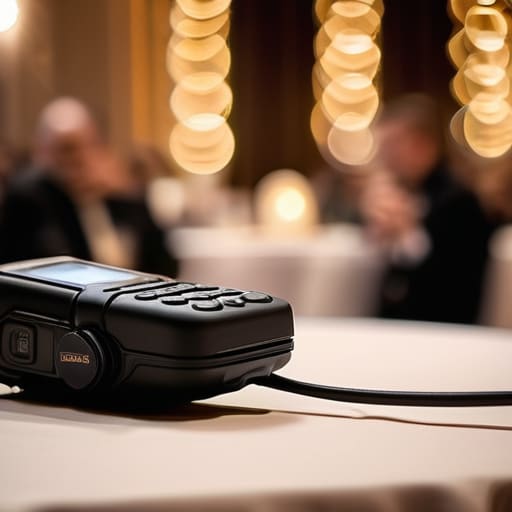
Most people think radio communication is just about pressing a button and shouting. If only. In reality, you’re managing a crowded invisible landscape. When you have the floor staff, the security team, and the external catering crew all trying to coordinate a synchronized service, you can’t just have everyone on one open channel. That’s how you end up with a security guard reporting a broken glass over the top of the wedding coordinator trying to announce the first dance. Proper radio frequency management is about creating lanes. You need dedicated channels for different departments so that the “noise” of a kitchen crisis doesn’t bleed into the delicate timing of the speeches.
It’s also about preventing the digital equivalent of a shouting match. Without clear communication protocols and procedures, your airwaves become a chaotic mess of “over and out” used incorrectly and people stepping on each other’s signals. I always tell my team that we treat the airwaves like the floor space: if you don’t have a designated path, someone is going to trip. You need a central point—a makeshift radio net control station, usually me or my head of floor—to act as the traffic warden, ensuring that the most urgent logistical shifts take priority before the licence end approaches.
Communication Protocols and Procedures Building the Invisible Walls
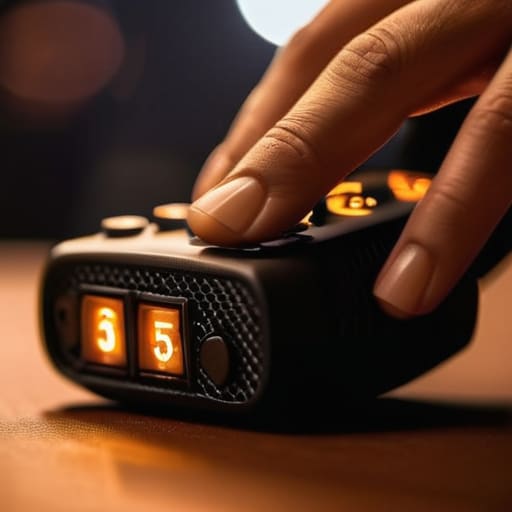
If you think handing out walkie-talkies to the floor staff and telling them to “just talk” is a plan, you’re in for a very loud, very chaotic evening. Without clear communication protocols and procedures, your radio channels become a digital shouting match. I’ve seen a wedding reception descend into madness because the bar manager was trying to report a broken glass at the same time the security lead was trying to coordinate a late arrival. You end up with nothing but static and frustration, while the actual event—the one people paid five figures for—stalls out because nobody can hear a word being said.
To stop the bleeding, you need to implement effective radio etiquette that treats airtime like a finite resource. This means no “over and out” nonsense (it’s a contradiction, isn’t it?) and, more importantly, no “chatter.” If it isn’t essential to the immediate movement of people or the safety of the venue, it doesn’t belong on the net. We use specific voice procedure standards to keep things clipped: name, message, and a clear acknowledgement. It’s about building invisible walls that keep the technical noise away from the guest experience, ensuring that when a crisis hits, the solution doesn’t get lost in a sea of useless chatter.
Five Ways to Stop Your Radio Chatter from Turning Into a Circus
- Keep the chatter to the facts. I’ve seen too many events derail because a floor staffer decided to use the channel to complain about the temperature of the sea bass. Radios are for “Table 4 needs water” or “The bride is moving to the terrace,” not for your personal grievances. If it isn’t helping the timeline move forward, keep it off the air.
- Establish a hierarchy of channels so you aren’t stepping on each other. You need one channel for the heavy lifting—security, loading bay, and facilities—and a separate, clean one for the front-of-house and service teams. There is nothing worse than a security alert about a gate being left open being drowned out by a waiter asking where the extra napkins are.
- Use “Clear” and “Out” like your life depends on it. It sounds pedantic, but if you don’t signal that you’ve finished speaking, the next person is going to start talking while you’re still mid-sentence. We have a licence end time to hit, and we don’t have time to spend three minutes untangling a conversation because nobody knew when the other person was done.
- The “Status Check” is your best friend. Don’t wait for a crisis to find out a radio is dead or a battery is flat. Every two hours, or during those quiet windows between the ceremony and the sit-down meal, I want a quick roll call. It’s much easier to swap a battery during a lull than it is when the caterer is frantically trying to tell you the oven has failed.
- Avoid the “Reply All” trap. If a junior staff member asks a question that only needs an answer from one person, don’t let the entire team chime in with their own opinions. It creates a wall of noise that makes it impossible to hear actual instructions. One person asks, one person answers, and the airwaves stay clear for the next bit of business.
The Final Countdown

At the end of the day, organizing your radio communication isn’t about having the most expensive handsets or the flashiest digital setup; it’s about preventing the chaos that happens when the kitchen is screaming for more plates and the bride is asking where the champagne is. You need to manage your frequencies so you aren’t stepping on each other, enforce protocols so the airwaves don’t turn into a constant stream of useless chatter, and ensure every person on that comms loop knows exactly when to speak and when to listen. If you get the invisible infrastructure right, the guests will never know it exists. And in my business, if the guests don’t notice the logistics, you’ve done your job perfectly.
I’ve stood in the back of many a marquee, watching a beautifully planned evening slowly unravel because the team was flying blind. When the communication breaks down, the schedule breaks down, and suddenly you’re staring at a license end that is creeping closer by the second with half your tasks still undone. Don’t let your event become a series of frantic, uncoordinated shouts. Build your communication plan with the same rigor you use for your floor plans and your catering timings. Because when the logistics are seamless, the magic can actually happen—and that is the only part that really matters.
Frequently Asked Questions
How do I stop the kitchen staff and the floor team from constant chatter that just clutters the airwaves?
You need to implement “Radio Silence” for everything that isn’t a directive. If it’s not “Table four needs more sparkling” or “Kitchen, we’re two minutes out on the mains,” it shouldn’t be on the air. I tell my teams: the radio is a tool, not a social club. If I hear someone gossiping about their weekend while the bar is drowning, I’ll pull them off the channel. Keep it clinical, keep it brief, and keep it moving.
What happens to the plan when the venue's thick stone walls or basement levels turn the radios into expensive paperweights?
That’s when the “plan” hits a literal wall. I’ve seen it happen: a wedding in a converted cellar or a heritage building with three-foot stone walls, and suddenly your team is shouting into dead plastic. When the signal dies, you don’t just lose comms; you lose the timeline. You need signal repeaters or a dedicated mesh network, but if you can’t tech your way out, you revert to the old ways: runners and pre-set check-in points.
At what point does the cost of a professional radio hire outweigh the benefit of just everyone using their WhatsApp groups?
The moment you have more than five staff members and a schedule that doesn’t allow for “checking your phone.” WhatsApp is fine for the florist to tell you they’re ten minutes away, but it’s useless when a waiter needs to report a broken glass in the kitchen and the floor manager needs to coordinate a room turnaround simultaneously. If your team is looking down at screens instead of up at the chaos, you’ve already lost the battle.