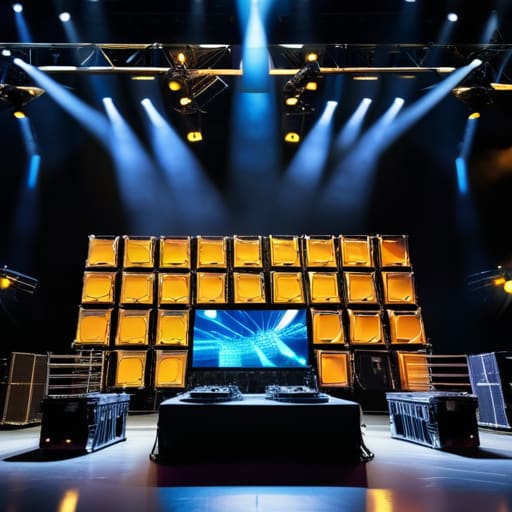
I once watched a wedding planner spend four grand on a boutique speaker setup that looked like it belonged in a high-end lounge, only to have the entire ceremony drowned out by the sound of the wind hitting the marquee. They had spent weeks obsessing over the aesthetic, but they hadn’t a clue about how sound systems are specified for a space that breathes, moves, and occasionally fights back. Most people think “specifying” is just picking the prettiest gear from a catalogue, but if you aren’t accounting for the power draw of a sudden fog machine or the way a room full of sixty people in heavy velvet suits absorbs every bit of high-end clarity, you aren’t planning an event—you’re just hoping for the best.
I’m not here to sell you on the latest shiny tech or give you a lecture on frequency response curves that you’ll forget by dessert. My promise is simpler: I’m going to tell you what actually matters when the doors open and the clock starts ticking against the licence end. We are going to look at the unsexy logistics—the cable runs, the power requirements, and the spatial realities—that ensure your audio actually works when the first dance starts.
Table of Contents
Acoustic Coverage Calculation Beyond the Pretty Speakers
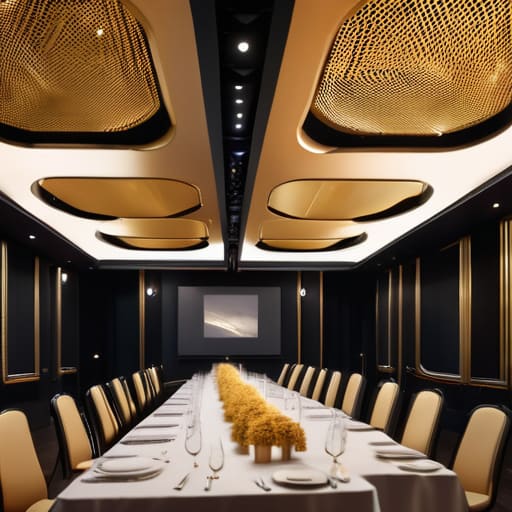
Most people look at a floor plan and see where the tables go; I see where the sound waves are going to die. You can spend a fortune on high-end drivers, but if your acoustic coverage calculation is based on a whim rather than the actual geometry of the room, you’re essentially just throwing money at a wall. I’ve stood in rooms where the front row is being shouted at by a wall of noise, while the guests at table twelve are leaning in so close to their partners they might as well be sharing a toothbrush just to hear a toast.
It isn’t just about volume; it’s about the speech intelligibility index. If the guest of honour is giving a heartfelt speech but the mid-range frequencies are being swallowed by heavy velvet curtains or bouncing off a glass conservatory roof, the moment is dead. Proper sound reinforcement planning means anticipating those reflections before the first guest arrives. You aren’t just placing speakers; you are managing how energy travels through a space to ensure that when the microphone goes live, the message actually lands.
Audio System Design Principles for Unforgiving Spaces
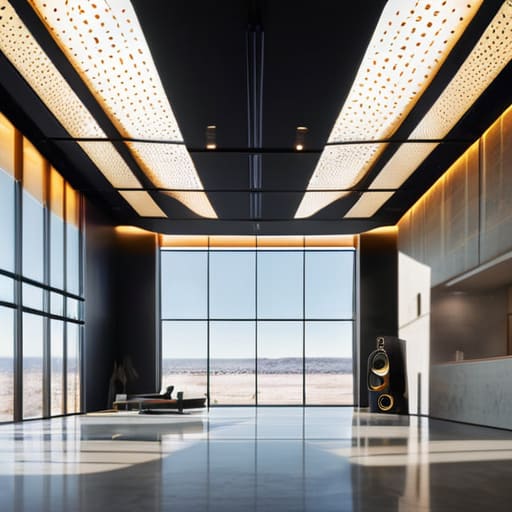
Most people think audio system design principles are about finding the loudest box to fill the room. They’re wrong. If you’re working in a space with high ceilings, glass walls, or that particular brand of polished concrete that loves to bounce sound around like a pinball, “loud” is actually your enemy. You aren’t just aiming for volume; you are aiming for controlled energy. If you don’t account for the way a room fights back, you end up with a muddy mess where the guests at the back hear a roar, but the guests at the front just hear a headache.
The real metric you should be obsessing over isn’t decibels, it’s the speech intelligibility index. I’ve seen countless weddings where the couple spent a fortune on a line array, only to realize that because they didn’t plan for the room’s reflections, nobody could actually understand the vows. You need to focus on direct sound hitting the ear, not the chaotic secondary echoes bouncing off the bar. If your sound reinforcement planning doesn’t prioritize clarity over raw power, you aren’t running an event; you’re just hosting a very expensive shouting match.
Five Ways Your Sound Specification Will Fail the Reality Test
- Stop obsessing over the brand name on the speaker and start looking at the power draw. I’ve seen a wedding planner book a top-tier line array only to realize the venue’s circuit is shared with a commercial kitchen and a heavy-duty coffee machine; the moment the caterer turns on the panini press, your DJ is playing through a dying whisper.
- Calculate for the “Dance Floor Surge,” not just the seated dinner. A system that sounds lovely while people are sipping wine and whispering is a completely different beast when two hundred people are jumping in unison. If your spec doesn’t account for the physical displacement of air and the sheer volume required to cut through a crowd, you’re just providing background noise.
- The “Mic-to-Guest” ratio is where the logistics go to die. Everyone wants a wireless mic for the speeches, but if you haven’t specified enough channels—or more importantly, enough batteries and dedicated monitoring—you’ll spend the most emotional part of the night watching a technician scramble behind a curtain while Uncle Bob’s toast goes unheard.
- Map your cable runs against your floor plan before you sign anything. It sounds basic, but I’ve seen “state-of-the-art” setups ruined because the spec didn’t account for the three-meter gap between the stage and the mixer, or the fact that a heavy-duty banquet table is sitting exactly where the main signal cable needs to go. If it isn’t protected or routed, it’s a trip hazard waiting to end a reception.
- Account for the “Licence End” countdown in your audio plan. You don’t want your sound engineer trying to perform a complex, twenty-minute fade-out or a technical reset when the lights are already coming up and the local council is knocking on the door. Specify a system and a workflow that allows for a clean, professional exit, not a frantic scramble to kill the power.
The Bottom Line on Decibels
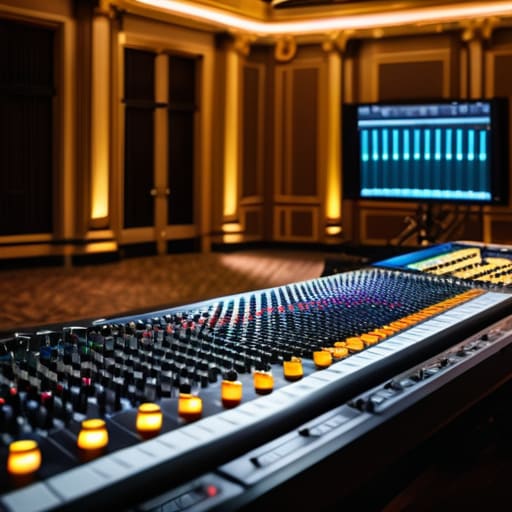
At the end of the day, specifying a sound system isn’t about picking the flashiest gear from a brochure; it’s about preventing a disaster before the first guest arrives. You have to account for the power draw so you don’t trip a breaker mid-toast, ensure the coverage actually reaches the back of the room without deafening the front row, and respect the physical limitations of the space. If you ignore the unforgiving physics of acoustics or the practicalities of signal routing, you aren’t just risking bad audio—you are risking the entire momentum of the evening. Remember, once that licence end starts ticking down, you don’t have the luxury of troubleshooting a blown fuse or a feedback loop; you need a system that is built for the reality of the room, not the fantasy of the spec sheet.
I’ve stood in the back of a hundred rooms where the music was so muddy you couldn’t hear the person sitting next to you, and I’ve seen the look on a client’s face when a heartfelt speech is swallowed by a room’s natural echo. It’s heartbreaking because it’s entirely avoidable. When you get the technical specifications right, the audio becomes invisible. It stops being a “system” and starts being the heartbeat of the event, allowing the laughter, the speeches, and the music to flow without friction. Aim for that seamless execution. Because when the logistics are handled with precision, the guests don’t notice the speakers—they just remember how the night felt.
Frequently Asked Questions
How do I know if my venue's power sockets can actually handle the load of a professional DJ and a full PA without blowing a fuse halfway through the first dance?
You don’t “know”—you verify. Most people assume a wall socket is just a wall socket, but a professional DJ rig and a decent PA can pull more juice than a commercial kitchen during a rush. Ask the venue for their circuit breakdown. If they can’t tell you which sockets are on which breakers, or if they’re planning to plug the band into the same line as the coffee machine, you’re dancing on a fuse waiting to pop.
If I'm hiring a band, how much of the technical specification is actually their responsibility versus what I need to ensure the venue provides?
The band owns the “what”—the instruments, the mics, and their specific sound. You own the “where” and the “how.” It’s your job to ensure the venue provides the power, the stage weight capacity, and the physical space for their gear to breathe. Don’t let a band’s rider become your surprise invoice; if they need three dedicated 13-amp circuits and you only have one daisy-chained extension lead, the party ends when the breaker trips.
We’ve got a tight turnaround between the ceremony and the drinks reception; how much time should I actually budget for the audio crew to get everything tested and leveled?
Forget what the vendor tells you about a “quick soundcheck.” If you’re flipping a room from a quiet ceremony to a high-energy reception, you need at least ninety minutes of dead air for the audio crew. They need time to load in, run cables that won’t trip your guests, and—crucially—level the system once the room is actually full of people. Bodies absorb sound; a test run in an empty hall is a lie.