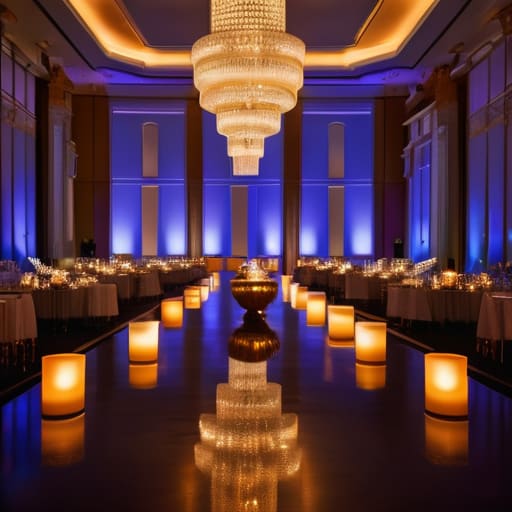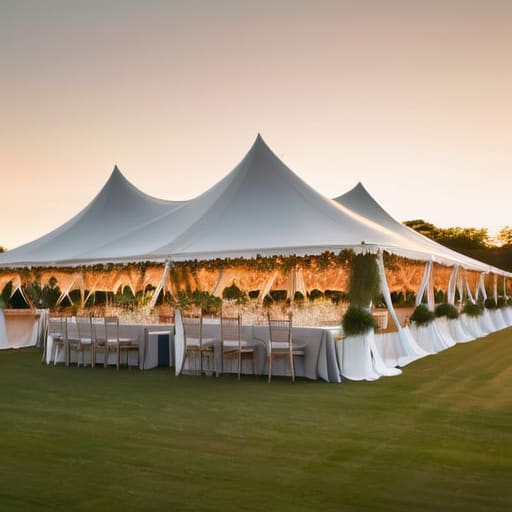
If you spend more than ten minutes on Pinterest, you’ll be convinced that a small wedding is just a “minimalist aesthetic” involving linen napkins and muted tones. It’s a lie. Most of those blogs treat a micro-wedding like a lifestyle choice, when in reality, it’s a high-stakes game of Tetris. I’ve seen more “intimate” celebrations go sideways because someone forgot that twenty people in a small room still need a clear path to the bar and enough power outlets for the DJ, than I have because the flowers were the wrong shade of blush. If you’re looking for a complete guide to small weddings that tells you which candle scents are trending, you’ve come to the wrong place; I’m here to talk about the actual physics of the room.
I’m not going to sell you a dream; I’m going to help you manage the reality. Over the next few sections, I’m stripping away the fluff to give you the logistics that actually matter—things like guest flow, the brutal math of catering minimums, and how to stop a small room from feeling like a crowded elevator. We are going to cover the hard truths of the turnaround, the timing of the licence end, and how to ensure your “intimate” gathering doesn’t become a logistical nightmare.
Table of Contents
Micro Wedding Planning Tips for the Logistically Minded
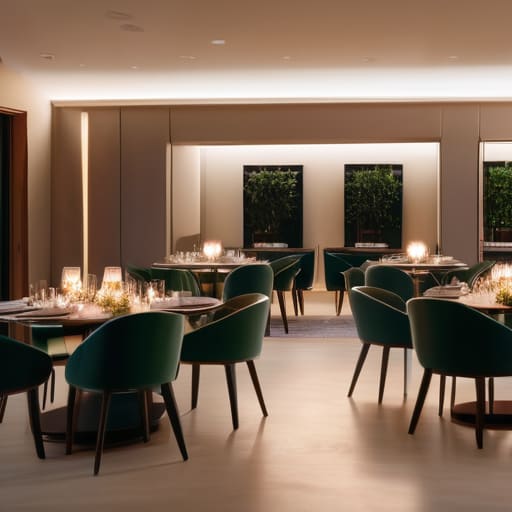
When people talk about micro wedding planning tips, they usually focus on the “vibe”—the candlelight, the linen, the intimacy. I don’t care about the linen unless it’s being used to wipe up a spilled red wine because the floor plan is so cramped that guests are bumping into the service station. If you’re looking at small wedding venue ideas, stop looking at how pretty the room is and start looking at the flow. You need to calculate the “dwell time.” If you have thirty people but only one bar station and a narrow doorway, you’re going to have a bottleneck that kills the mood before the first toast is even poured.
Then there is the myth of the “easy” budget. People assume budgeting for small ceremonies is just a smaller version of a big wedding, but the math is different. You lose the economies of scale. A caterer still has to charge for the minimum call-out, and a photographer still needs the same travel time. You aren’t saving money because you have fewer guests; you’re just reallocating it. My advice? Don’t spend the “savings” on more expensive flowers. Spend them on better logistics—like a dedicated space for the gift table that doesn’t block the fire exit.
Elopement vs Small Wedding the Infrastructure of Intimacy
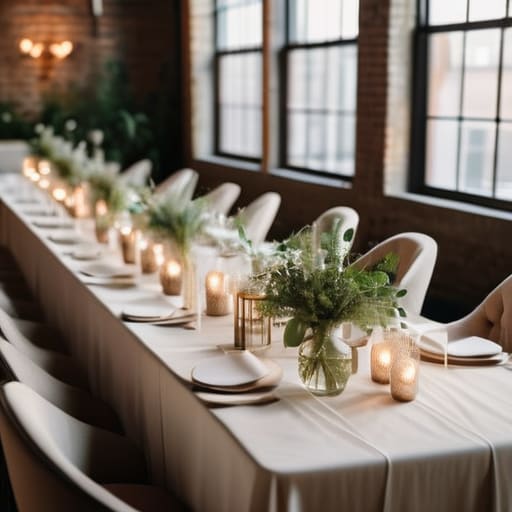
People tend to use “elopement” and “small wedding” interchangeably, but from where I stand behind the service bar, they are two entirely different logistical beasts. An elopement is a sprint; it’s you, a witness, and a destination. You can pack your life into a suitcase and worry about the paperwork later. A small wedding, however, is a marathon in a much smaller room. It’s not just about the ceremony; it’s about the infrastructure required to host a group of people without them feeling like they’re being squeezed into a lift.
When you’re looking at elopement vs small wedding options, you have to decide if you want to manage a guest experience or just a moment. A small wedding requires a sudden shift in mindset toward intimate wedding guest list ideas that actually account for flow. You aren’t just picking names; you are calculating how many chairs can fit around a table before the room becomes a fire hazard, or how many people can realistically access the buffet at once. One is a private vow; the other is a coordinated production.
The Invisible Infrastructure: 5 Things Your Pinterest Board Won't Tell You
- The Drink Bottleneck. In a big wedding, a slow bar is a nuisance; in a small wedding, it’s a momentum killer. If you have forty people and only one bartender, you’ve just created a queue that will stall your entire transition from ceremony to cocktails. Ensure your service ratio reflects your guest count, or prepare to watch your guests stand around awkwardly while waiting for a gin and tonic.
- Power, Not Just Pretty. People spend a fortune on fairy lights and acoustic musicians but forget that a DJ, a caterer’s warming oven, and a professional photographer are all thirsty for electricity. I’ve seen more small weddings derailed by a tripped circuit breaker than by a bad florist. Map out your power needs before you commit to the floor plan.
- The “Ghost” Guest List. When you’re planning for fifty, you can’t forget the people who aren’t sitting down. You need to account for the space for the photographer to move, the extra chair for the elderly aunt who needs a break, and the buffer zone for the catering staff to stage plates. If your floor plan is too tight, the “intimacy” will quickly turn into claustrophobia.
- The Catering Footprint. A small wedding often leads to the mistake of thinking you can host a meal in a corner of a lounge or a small garden nook. Your caterer needs a staging area, a way to get hot food to the table without sprinting through a narrow gap, and—crucially—a place to hide the dirty dishes. If you don’t budget for their “workspace,” your beautiful setting will look like a disaster zone by course two.
- The Hard Stop. With a small group, the energy tends to peak early and drop sharply. You aren’t fighting a crowd of two hundred to keep them on the dance floor; you’re managing a tight-knit circle. Work backward from your licence end. If the music has to stop at midnight, your last dance should be at 11:45, not 11:55. Give people time to say their goodbyes so the night ends on a high rather than a frantic scramble for coats.
The Final Walkthrough
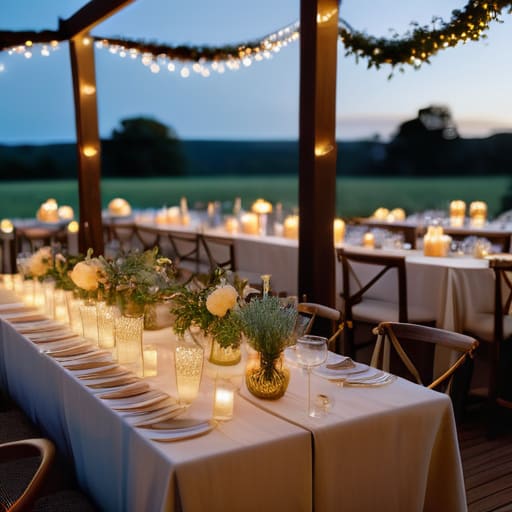
At the end of the day, a successful small wedding isn’t measured by how closely you adhered to a Pinterest board, but by how well you managed the unseen friction. You’ve looked at the power requirements, you’ve mapped out the guest flow to ensure nobody is tripping over a floral arrangement just to get to the bar, and you’ve accounted for the caterer’s footprint. If you’ve nailed the logistics—the timings, the access, and the buffer zones—you’ve done the heavy lifting. When you stop worrying about whether the napkins match the linens and start focusing on the logistical integrity of the room, you create the space necessary for the actual event to happen without a hitch.
People will tell you that small weddings are “easier,” but anyone who has ever managed a room knows that intimacy requires more precision, not less. However, there is a profound beauty in that precision. When the infrastructure is solid and the timings are tight, the stress evaporates, leaving room for what actually matters: the people in the room and the reason they are there. A wedding is a high-stakes operation, yes, but when you plan for the chaos behind the curtain, you get to enjoy the magic on stage. Now, go check your floor plan one last time—and for heaven’s sake, make sure the DJ has a dedicated circuit.
Frequently Asked Questions
How do I balance the desire for a high-end guest experience with the reality of a much smaller, tighter venue footprint?
You stop trying to squeeze a hundred-person banquet into a room built for forty. If the footprint is tight, stop fighting the walls and start investing in the friction points. Don’t skimp on the bar service or the flow of the buffet; that’s where the claustrophobia sets in. High-end isn’t about floor space; it’s about the quality of the touchpoints. If they can’t roam, make sure the seat they’re in is perfect and the drink in their hand is cold.
What are the hidden costs of scaling down, specifically regarding minimum spends and venue hire fees that don't budge just because the guest list did?
Here’s the reality: a venue’s mortgage doesn’t care if you have fifty guests or five hundred. When you scale down, you lose your biggest lever—the food and drink spend. Many venues have a “minimum spend” floor; if your guest count drops, your per-head cost has to climb to hit that number, or you’re paying a flat hire fee that feels like a tax on intimacy. You aren’t paying for the smaller crowd; you’re paying for the lights to stay on.
How do I manage the transition from a formal ceremony to a seated meal when I don't have the space for a traditional cocktail hour?
You’re trying to skip the cocktail hour because the floor plan looks like a Tetris game gone wrong. Don’t. If you try to move fifty people from ceremony chairs straight to dinner tables without a buffer, you’ll get a bottleneck of hungry, thirsty guests and a service team that’s already behind. Instead, bake the “transition” into the meal. Serve passed canapés at the tables or have a heavy hors d’oeuvre station ready the second they sit. Control the flow, or the flow will control you.