I once watched a wedding planner spend forty minutes debating the aesthetic merits of a gold-rimmed charger plate while the guests stood in a silent, thirsty line by the bar. She was focused on the “look,” but she had completely ignored how service styles affect timings and, by extension, the mood of every single person in that room. You can have the most expensive floral installation in the county, but if your choice of a formal plated service adds an extra hour to a schedule that was already tight, all those beautiful centerpieces are just expensive witnesses to a growing headache.
I’m not here to sell you on the romance of a silver service or the trendiness of a grazing table. I’m here to tell you how these choices actually move the needle on your clock. I’m going to break down the logistical friction of every major service method, from the slow burn of a seated meal to the controlled chaos of a buffet, so you can plan around the licence end rather than praying for a miracle. This isn’t about what looks good in a brochure; it’s about making sure your guests actually get to eat before the music stops.
Table of Contents
Buffet vs Plated Service Speed the Hunger Games of Logistics
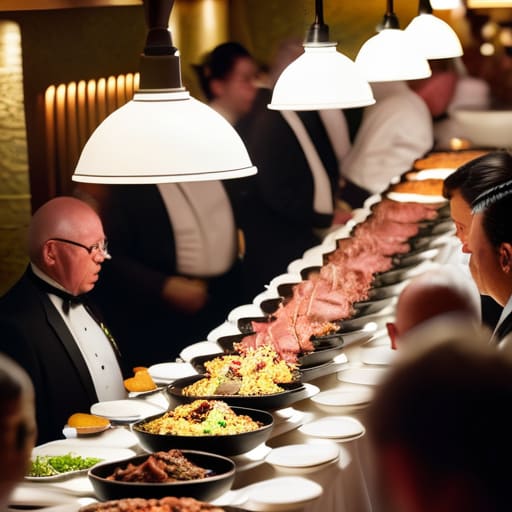
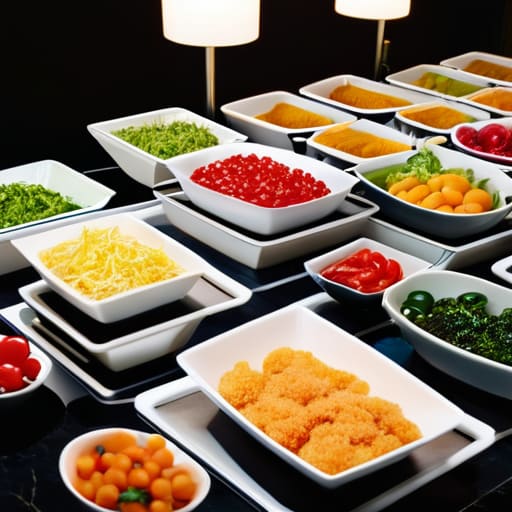
Let’s get one thing straight: a buffet is not a “relaxed” dining option; it is a high-stakes logistical sprint. When you tell me you want a buffet to save on costs, what I hear is a plan to have sixty people simultaneously trying to navigate a narrow corridor of heavy ceramic plates. You aren’t just choosing a menu; you are choosing a massive hit to your front of house workflow. I’ve seen it happen a hundred times: the line moves at a glacial pace, the first person in line gets a mountain of beef while the last person gets a pile of wilted garnish, and by the time everyone is actually seated, you’ve lost forty minutes of your dancing window.
Plated service, on the other hand, is a game of course interval management. It looks elegant, sure, but it relies entirely on the kitchen’s ability to plate sixty identical dishes in a synchronized burst. If your kitchen isn’t firing with precision, you’ll find your guests staring at empty tablecloths while the staff plays a frantic game of catch-up. In my experience, the difference in buffet vs plated service speed isn’t just about the food—it’s about whether your guests are actually eating or just waiting to be fed.
Fine Dining Service Pacing When Elegance Meets the Deadline
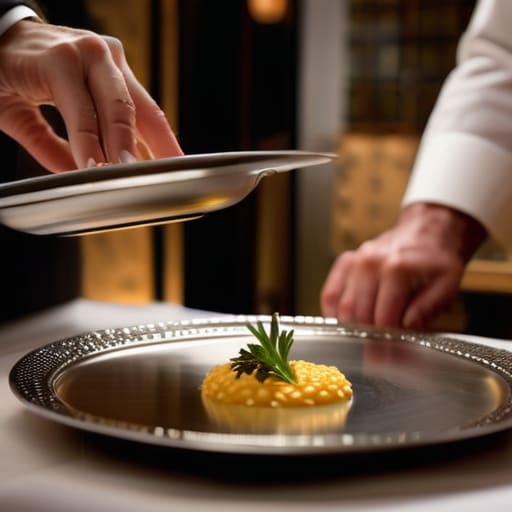
Fine dining is the ultimate test of a venue’s nerve. On paper, it looks effortless—silver service, synchronized plates, and a calm atmosphere. In reality, it is a high-stakes game of course interval management where every minute lost at the table is a minute stolen from the dance floor. If your kitchen is running ten minutes behind on the risotto, you aren’t just serving food late; you are actively pushing the entire evening toward a collision with the licence end.
The mistake most planners make is assuming elegance provides a buffer. It doesn’t; it actually shrinks it. To maintain a high standard of front of house workflow, your team has to be surgical. You cannot simply “speed up” a seated three-course meal without it feeling like a frantic race to the finish, which ruins the very luxury you’re paying for. You have to engineer the gaps. If you don’t account for the precise rhythm of clearing, resetting, and pouring, you’ll find yourself staring at a room of hungry guests at 10:00 PM, wondering why the party hasn’t even started.
Five Ways to Stop Your Schedule from Spiralling
- Stop treating the “canapé hour” like a suggestion. If you have sixty people and only two servers, you aren’t doing a cocktail reception; you’re hosting a slow-motion starvation exercise that will push your entire dinner service back by thirty minutes before the first plate even hits the table.
- Account for the “Buffet Lag.” Everyone thinks a buffet is faster, but they forget the physics of a hungry crowd. You have to factor in the bottleneck at the carving station and the inevitable thirty-minute drift while guests shuffle around trying to find a chair that isn’t already occupied by someone’s coat.
- The “Plated Pivot” requires a rehearsal you haven’t scheduled. If you’re going for a formal three-course meal, you need to build in a fifteen-minute buffer for the “service gap”—that awkward period where the kitchen is plating, the staff is navigating the floor, and the guests are staring at each other wondering if they’ve been forgotten.
- Never underestimate the “Speech Creep.” If you’re doing family speeches between courses, you aren’t just adding talking time; you’re adding logistical friction. Every time a microphone moves or a guest stands up, the service rhythm breaks, and your hot food starts losing its temperature while the kitchen waits for the signal to clear.
- Work backwards from the licence end, not the start time. If your music has to stop at midnight, your service style needs to be locked in by 9:30 PM. If you’re trying to squeeze a dessert course and coffee service into the final forty-five minutes of a high-energy party, you’re going to end up with cold espresso and a very frustrated crowd.
The Final Countdown
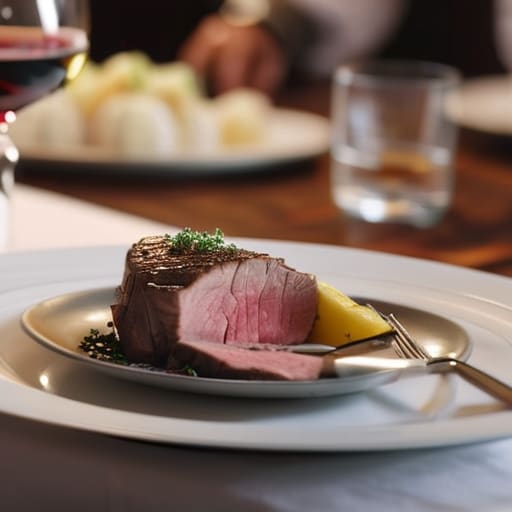
At the end of the day, you aren’t just choosing a menu; you are choosing how your clock behaves. If you go with a buffet, you’re betting on guest movement and hoping the line doesn’t stall at the roast beef. If you go plated, you’re committing to a choreographed dance of servers where one dropped fork can throw the entire room thirty minutes behind. You have to look at your licence end time—and trust me, that clock is absolutely unforgiving—and work backward from there. Whether it is the chaos of a food station or the slow burn of fine dining, every choice you make adds or subtracts minutes from the night. You cannot wish the time away once the first course hits the table.
My advice? Stop looking at the pictures of the food and start looking at the logistical friction of the service. A wedding that feels seamless isn’t a miracle; it is the result of someone realizing that a three-course meal for two hundred people requires more than just good chefs—it requires a ruthless respect for the schedule. Plan for the delays, budget for the transitions, and remember that the best events are the ones where the guests never even notice the machinery working behind the scenes. If they are talking about the atmosphere instead of the empty glasses, you’ve won.
Frequently Asked Questions
If we're running behind on the ceremony, which service style is the fastest way to claw back twenty minutes without looking like a disaster?
If you’re twenty minutes behind and the bride is staring daggers at the clock, ditch the plated service immediately. You cannot manufacture time once the kitchen is in a bottleneck. Switch to heavy canapés or a high-end grazing station. It keeps people fed and happy while you scramble to reset the room. It’s a tactical retreat, not a failure; you’re trading the formality of a seated meal for the speed of a cocktail hour to save your licence end.
How much extra time do I actually need to budget for the "dead zone" between the last canapé and the first course being served?
You’re looking for the “dead zone,” but I call it the logistical gap where things actually go sideways. If you’ve just finished canapés and you’re moving straight into a seated meal, you need to budget at least thirty to forty-five minutes. That isn’t just “sitting time”; that’s the window for the chaos of eighty people finding their place cards, the caterers fighting for table space, and the inevitable delay of the first course hitting the room.
Can a buffet actually work for a large group if we have a strict licence end, or is it just a recipe for a rushed, frantic finish?
It can work, but only if you stop treating the buffet like a free-for-all. If you have 150 people and one double-sided station, you aren’t running a dinner; you’re running a queue. By the time the last person actually sits down with a warm plate, you’ve already burned forty minutes of your dancing time. If the licence ends at midnight, you need to be carving out your service windows like a surgeon, or you’ll be chasing guests out with empty glasses.