I once watched a bride spend four thousand pounds on a bespoke floral arch for an outdoor ceremony, only to have a sudden Atlantic squall turn her “ethereal garden aesthetic” into a soggy, collapsing mess of crushed peonies and ruined silk. Most wedding blogs will tell you that if you want to know how to plan for weather, you just need a beautiful marquee or a backup indoor room. That’s nonsense. A marquee isn’t a magic shield; it’s a piece of fabric that can become a wind tunnel or a mud trap if you haven’t accounted for the drainage and the floorplan. I don’t care how many fairy lights you hang; if your guests are standing in two inches of water while trying to hold a champagne flute, the evening is already sliding toward a disaster.
I’m not here to sell you on expensive “Plan B” decorations that look good in a brochure but fail in a gale. I’m going to tell you how to actually manage the logistics of a shift in the forecast—from the timing of the transition to ensuring your caterers don’t lose their minds when the buffet has to move indoors in under ten minutes. We’re going to talk about real-world variables like power access in the rain and the hard truth about what a weather contingency actually costs.
Table of Contents
Beyond Forecast Accuracy the Myth of the Perfect Sky

I’ve seen it a hundred times: a couple staring at a weather app like it’s a holy text, convinced that if the little icon shows a sun, the day is guaranteed. Here’s the truth that your florist won’t tell you: weather forecasting accuracy is a polite lie once you get within forty-eight hours of the event. I don’t care if the meteorologist is a genius; a sudden shift in wind or a localized microburst doesn’t care about your color palette. Relying on a digital forecast is a gamble, and in my experience, the house always wins.
True outdoor event contingency planning isn’t about praying for sunshine; it’s about accepting that the sky is going to do whatever it wants. You need to stop looking at the clouds and start looking at your floor plan. If the rain hits, can your guests move from the ceremony to the marquee without walking through a mud pit? Can the catering team still access the service entrance if the driveway becomes a river? You aren’t planning for a sunny day; you are planning for the inevitable moment the plan fails.
Outdoor Event Contingency Planning for the Real World
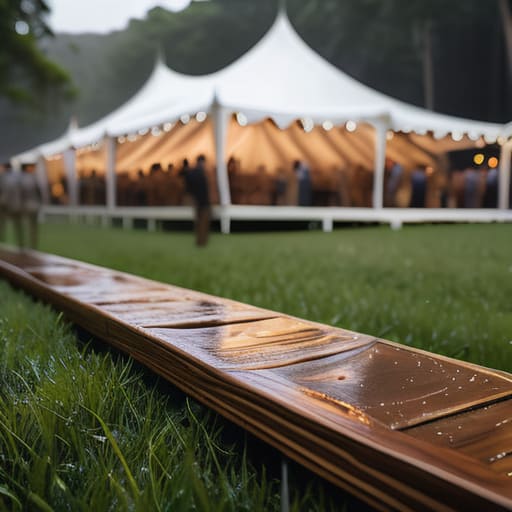
When people talk about a rain plan for events, they usually mean “where do we move the chairs?” That is a rookie mistake. A real rain plan isn’t just about shelter; it’s about the physics of a wet environment. If you move two hundred people from a lawn to a marquee, you have just created a massive logistical bottleneck at the entrance. You need to account for the velocity of movement—how fast can you shift a crowd without someone slipping on a cocktail napkin or a wet floorboard?
True outdoor event contingency planning means looking at the “unsexy” details: the power draw of extra heaters, the drainage around the catering tent, and whether your vendor’s van can actually reach the secondary site without getting bogged down in a mud pit. I’ve seen weddings where the marquee was beautiful, but the guests were miserable because there was nowhere to dry off and no way to get a warm drink without a twenty-minute trek. Don’t just plan for the rain; plan for the chaos the rain creates.
The Logistics of Not Getting Soaked: Five Hard Truths
- Stop obsessing over the forecast and start obsessing over the floor. If you’re moving a ceremony from the lawn to the marquee because of a sudden downpour, you aren’t just moving people; you’re moving chairs, floral installations, and elderly relatives who can’t navigate a muddy path. Your “Plan B” needs to be a space that is already set up, or you’ll spend your entire cocktail hour chasing furniture through the rain.
- The “Tent Trap” is real. Everyone wants a beautiful marquee, but nobody asks if that marquee has enough internal clearance for the catering team to move a hot buffet trolley without hitting a pole or a decorative drape. A tent isn’t just a roof; it’s a new set of walls that dictates your entire floor plan and limits your power access. Plan for the footprint, not just the aesthetic.
- Calculate your “Wet Weather Lag.” It takes twice as long to move 120 people from an outdoor terrace into a dining room when it’s pouring than it does when it’s sunny. If your dinner service is scheduled for 7:00 PM and the rain starts at 6:45 PM, you aren’t eating at 7:00 PM. You’re eating at 7:30 PM. Build that thirty-minute buffer into your timeline now, or you’ll be apologizing to hungry guests all night.
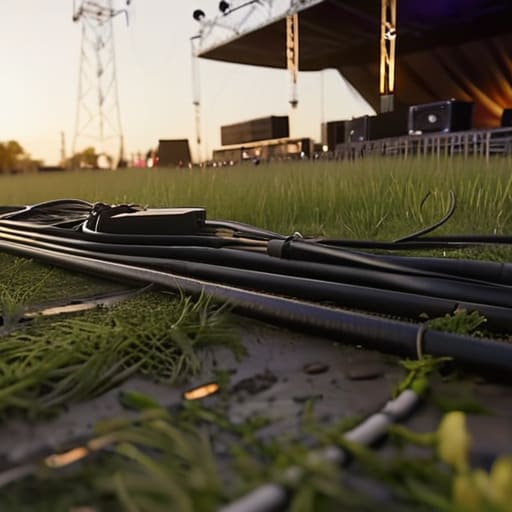
- Power is the first thing to fail when things get damp. If you’re running external lighting or a DJ setup near an outdoor area, you need to know exactly where your waterproof cable covers are. A single puddle in the wrong place can turn a beautiful garden party into a short circuit that kills the music and the mood before the first toast.
- Manage the “Drip Factor.” If you have a transition between an outdoor ceremony and an indoor reception, you need a designated “wet zone.” This means heavy-duty mats, a place for umbrellas that isn’t a pile in the corner, and ideally, a way to prevent guests from tracking half an inch of mud across your pristine dance floor. If you don’t solve the mud problem at the door, the cleaning bill will be the only thing people remember about the wedding.
The Final Countdown (To the Licence End)

At the end of the day, weather planning isn’t about being a prophet; it’s about being a realist. You can check the apps until your eyes bleed, but the sky doesn’t care about your seating chart or your deposit. You have to account for the logistical ripple effect—the way a sudden downpour turns a smooth transition into a frantic scramble for umbrellas, or how a heatwave makes your carefully chosen outdoor menu a liability. Focus on the hard variables: the drainage, the power supply for those fans, the clearance for the tents, and most importantly, the Plan B that actually functions instead of just looking good on a spreadsheet. If you haven’t accounted for the mud, the wind, or the humidity, you aren’t planning; you’re just hoping.
I’ve seen weddings where the rain came down in sheets, and I’ve seen them where the sun was so brutal guests were wilting before the first course. The ones that succeeded weren’t the ones with the most expensive marquees; they were the ones where the host stayed completely unflappable because the contingency was already in motion. When you prepare for the worst-case scenario, you aren’t being a pessimist—you are buying yourself the freedom to actually enjoy the party. Once the logistics are locked down and the “what ifs” are answered, you can finally stop looking at the clouds and start looking at your guests.
Frequently Asked Questions
If I decide to move everything inside because of rain, how much extra time do I actually need to give my team for the transition?
You need more than you think. If you’re moving a full setup—tables, linens, decor, and the buffet—you aren’t looking at twenty minutes; you’re looking at ninety. Most people forget the “human friction.” You have to move the guests first, then the gear, then reset the flow. If your licence ends at midnight, you just lost an hour of dancing to moving chairs. Plan for a ninety-minute buffer, or prepare to tell the DJ to pack up early.
How do I stop my guests from looking miserable in a marquee when the temperature drops or the wind picks up?
You can’t fight physics, but you can mitigate the misery. If the temperature drops, don’t just throw a few blankets in a basket and hope for the best; you need active heat that won’t trip a fuse. More importantly, focus on the “transit zones.” People look miserable when they’re shivering while waiting for a drink or walking to the loo. If they’re standing still in a draft, you’ve lost them. Keep the movement constant and the warmth localized.
At what point do I make the "call" to trigger the contingency plan without it feeling like a chaotic scramble?
The “call” shouldn’t be a frantic debate in the middle of a downpour; it needs to be a pre-set trigger point. I tell my clients: pick a hard deadline—say, four hours before the ceremony—and a specific weather threshold. If the radar looks grim at that mark, you pull the plug on the outdoor setup. Decide while the sun is still out. Once you’re standing in the wind, you’re not deciding; you’re just reacting.