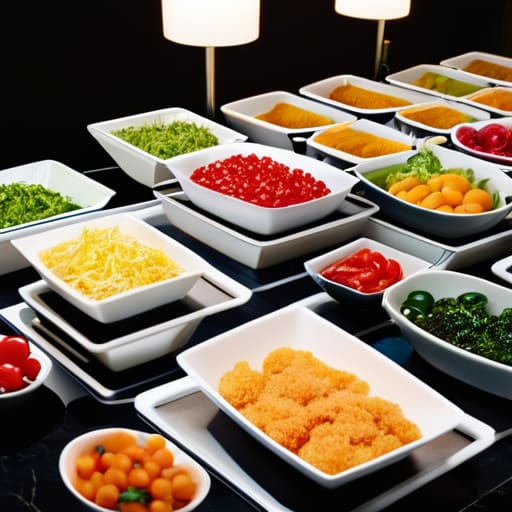
I once watched a wedding party attempt a “DIY grazing table” that looked spectacular in the Pinterest screenshots, right up until the moment the venue’s single 13-amp socket met a professional warming tray and a high-end coffee machine. The lights flickered, the music died, and suddenly, nobody knew how self catering an event works when the cheese is sweating and the guests are staring at a dark room. Most people think self-catering is a way to save a few quid on a menu; in reality, it is a high-stakes game of managing infrastructure that most planners completely ignore until the circuit breaker trips.
I’m not here to talk to you about color-coordinated linens or which artisanal sourdough pairs best with brie. I’m going to tell you about the things that actually matter: the power requirements, the access routes for the delivery van, and the crucial three-meter clearance your “simple” buffet setup actually needs. If you want to understand the gritty reality of how self catering an event works, I’ll show you how to plan for the logistical friction so your event doesn’t grind to a halt before the first toast.
Table of Contents
The Real Math of Managing Event Food Costs
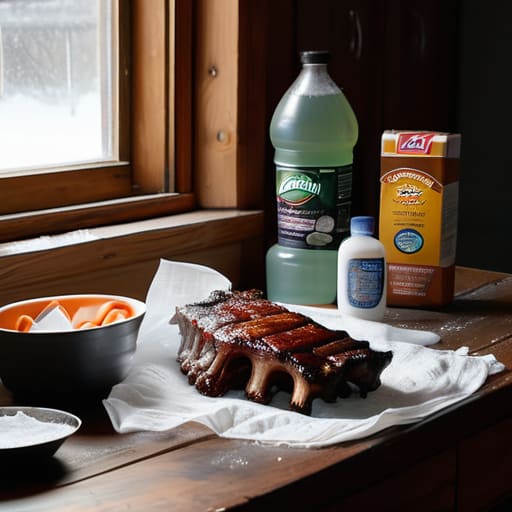
Everyone looks at the grocery receipt and thinks they’ve won the lottery, but that’s where the math starts to lie to you. You aren’t just paying for the steak; you’re paying for the fuel to cook it, the ice to keep it cold, and the sheer volume of napkins required when people realize they’re eating ribs with their hands. When you’re managing event food costs, the biggest leak in your budget isn’t the premium ingredients—it’s the “invisible” consumables. I’ve seen DIY hosts spend a fortune on organic produce only to realize they’ve forgotten to budget for the three extra bags of charcoal or the specialized cleaning supplies needed to scrub a greasy pan before the next course.
You also have to factor in the “buffer tax.” In my experience, if you calculate exactly enough food for fifty guests, you will run out of food by guest forty-two. Logistics demand a margin for error. You need to account for the heavy-handed uncle, the guest who arrives late, and the inevitable spill. If you aren’t building a 10-15% contingency into your procurement, you aren’t planning an event; you’re just hoping for good luck.
Your Non Negotiable Self Catering Equipment Checklist
If you think you can just show up with a few slow cookers and a dream, I’m here to tell you that’s how you end up with cold risotto and a very angry guest list. A proper self-catering equipment checklist isn’t just about forks and knives; it’s about the invisible infrastructure. You need to account for the heavy hitters: high-capacity warming trays, enough serving utensils so people aren’t fighting over one spoon, and—most importantly—a dedicated station for temperature control. If your food sits in the “danger zone” for too long because you didn’t budget for enough chafing fuel, you aren’t just having a bad party; you’re failing at food safety for self-catering events.
Then there is the power problem. Most people forget that three industrial coffee urns and a set of warming ovens running simultaneously will trip a circuit breaker faster than a wedding toast goes south. You need to map out your power requirements before you even think about the menu. I’ve seen more events derailed by a blown fuse than by a late florist. Plan for the load, not just the look, or you’ll be serving lukewarm appetizers by candlelight.
Five Ways Your Self-Catering Plan Might Actually Collapse
- Respect the power grid. You might think a slow cooker and a professional coffee urn are fine, but if you plug them all into the same circuit, you aren’t hosting a dinner; you’re hosting a blackout. Check the amps before you commit to the menu.
- The “hidden” staff problem. When you don’t hire a caterer, you aren’t just saving on food costs; you are inheriting the role of the person clearing plates, refilling water, and emptying bins. If you haven’t budgeted for three people to do the “invisible” work, your guests will be sitting in a graveyard of empty glasses by 9:00 PM.
- Logistics of the “Handover.” There is a massive difference between “food is arriving” and “food is ready to serve.” If your delivery driver shows up at 6:00 PM for a 7:00 PM sit-down, you need a dedicated space for them to unload and a plan for how that food stays at temperature without you playing chef.
- The waste management reality check. A professional caterer takes their scraps and dirty dishes with them. When you self-cater, you own the mountain of rubbish. If you haven’t arranged for extra bin bags and a plan to get the stinking stuff off-site before the morning, you’re going to have a very unpleasant cleanup.
- The buffer for the “one more thing.” In my experience, someone always forgets the ice, or the bread arrives squashed, or the vegetarian option is actually vegan and nobody can eat it. Always build a 10% contingency into your shopping list—not just for food, but for the inevitable logistical hiccup that occurs forty minutes before service.
The Final Countdown
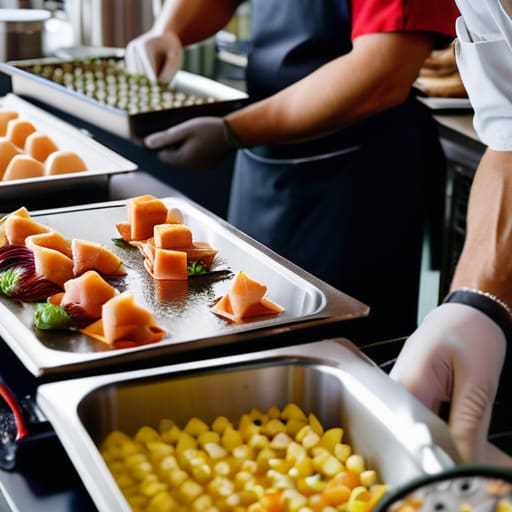
At the end of the day, self-catering is a high-stakes game of Tetris where the pieces are heavy, hot, and time-sensitive. You’ve looked at the math, you’ve checked your power requirements, and you’ve hopefully realized that a “simple” menu is actually a complex web of logistics. If you miss the mark on the equipment or underestimate the sheer volume of ice needed for three hundred thirsty guests, no amount of beautiful table linen is going to save the evening. You have to respect the unseen infrastructure—the prep space, the waste management, and that critical window between the last course and the licence end. It isn’t glamorous, but if you get the logistical foundation right, the food actually tastes better because nobody is panicking about a tripped circuit breaker.
Look, I’ve seen plenty of weddings where the catering was a disaster because they focused on the aesthetic rather than the execution. But I’ve also seen self-catered events that felt more intimate and intentional than any five-star hotel service because the host actually knew what was happening in the kitchen. If you are willing to do the heavy lifting and respect the math behind the magic, you can pull this off. Don’t aim for perfection; aim for seamless flow. When the guests are laughing and the drinks are flowing, they won’t see the frantic three-minute turnaround or the carefully timed oven rotations—they’ll just think it was effortless. And that is exactly how you should plan it.
Frequently Asked Questions
How do I stop the kitchen from blowing a fuse halfway through the main course?
You don’t stop it by being careful; you stop it by doing the math on your amperage. Most people think a catering oven is just a plug; I see it as a potential blackout. You have to map your “peak load” moments—when the coffee machine, the warming trays, and the ovens all hit at once. If you haven’t checked the circuit breaker capacity against the total wattage of your gear, you aren’t catering; you’re gambling.
What’s the actual plan for when the food arrives late and the guests start looking at their watches?
You don’t panic; you pivot. If the food is lagging, you stop the clock on the formal program and lean into the “buffer.” This means having a heavy tray of bread, some high-quality olives, or a quick round of drinks ready to go. You don’t announce a “delay”—that just triggers the anxiety. You call for an extra toast or move a speech forward. Keep them occupied, keep them hydrated, and keep them from looking at the door.
How much extra staff do I really need to hire if I’m not using a full-service catering team?
Look, you aren’t just saving the catering fee; you’re inheriting their labor. If you’re cutting the professional team, you cannot expect your cousins to pull it off. You need at least one dedicated person for every twenty guests just to manage the flow. One person handles the buffet replenishment, one manages the clearing, and one is your “firefighter” for when the coffee runs out or a tray of glasses shatters. Don’t skimp here.