I spent three hours last Saturday watching a bride cry because her “bespoke” truffle-infused risotto arrived lukewarm and forty minutes behind schedule. It wasn’t the truffle that failed her; it was the fact that she’d spent her entire budget on ingredients without a single thought regarding how to plan a wedding catering menu that actually works within the physical constraints of a room. Most wedding blogs will tell you to pick flavors that “wow” the guests, but they never mention that a complex, five-course plated meal is a logistical nightmare when you only have a single service corridor and a licence that ends at midnight.
I’m not here to talk about aesthetic food styling or which micro-greens look best on Instagram. My goal is to give you the unfiltered reality of the service line. I’m going to show you how to balance your culinary ambitions against the hard truths of kitchen access, power requirements, and guest flow. We are going to look at the math behind the meal, ensuring that by the time the last plate is cleared, your guests are actually fed and your schedule is still on track.
Beyond the Tasting a Real World Wedding Menu Tasting Guide
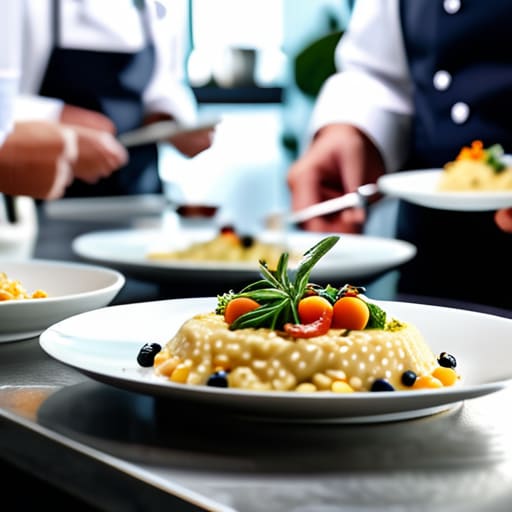
Most people treat a tasting like a fancy date night—a chance to sip wine and judge whether the risotto is creamy enough. If you go into it with that mindset, you’re missing the point. A proper wedding menu tasting guide isn’t about deciding if you like the truffle oil; it’s about stress-testing the logistics. I want you to ask the caterer how many staff members are required to serve that specific dish to 150 people in a forty-minute window. If they suggest a complex, plated dish that requires six different components, ask them how that affects the timing of your service once the music starts.
You also need to stop looking at the food in isolation and start looking at the gaps. This is the moment to hammer home the specifics of dietary restrictions for wedding guests. Don’t just settle for “we can do a vegan option”; find out if that option is a thoughtful meal or just a pile of steamed vegetables that will leave your guests hungry and irritable by 10:00 PM. If your budget is tight, use the tasting to see where you can pivot—maybe swap the expensive protein for something more seasonal that doesn’t sacrifice the flow of the evening.
Seasonal Wedding Food Ideas That Actually Survive the Heat
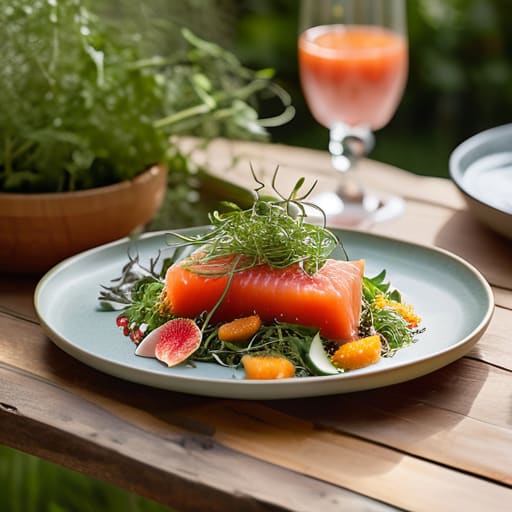
Everyone wants a summer wedding because the light is better for the photos, but nobody talks about what happens to a platter of delicate seafood when the temperature hits twenty-eight degrees and the air conditioning is struggling. If you’re looking for seasonal wedding food ideas, stop dreaming about heavy, cream-based sauces or anything that wilts the second it hits the table. You need food that is resilient. Think citrus-cured fish, chilled gazpacho, or hearty grain salads that can sit for ten minutes without turning into a biological hazard.
You also have to consider your wedding cocktail hour appetizers through the lens of heat and physics. Avoid anything that requires a knife and fork while people are standing in a sun-drenched garden; if they can’t eat it with one hand while holding a drink in the other, it’s a logistical failure waiting to happen. Stick to skewers or bite-sized items that don’t melt. Most importantly, tell your caterer early about any specific dietary restrictions for wedding guests—it is much easier to plan a cooling, plant-based option from the start than to try and scramble for a lukewarm salad when the main course arrives late.
Five Logistics Lessons the Menu Won't Tell You
- Stop planning for the “ideal” guest and start planning for the hungry one. I’ve seen menus that look like art on a plate but leave guests staring at empty water glasses by 9:00 PM because the service was too precious to be fast. If you have 150 people and a three-course meal that requires individual plating for every single dish, you better check if your caterer has the staff to move that much food before the licence end hits.
- The “Dietary Requirement” trap is real. Don’t just ask for a list of allergies; ask for the volume. If you have twenty vegans in a room of a hundred, you aren’t just “adjusting” a few plates—you are fundamentally changing the kitchen’s workflow. Make sure your caterer isn’t trying to cook twenty separate, complicated meals while the other eighty people are already halfway through their mains.
- Map your buffet against your floor plan. A beautiful grazing table looks great in a Pinterest board, but if it’s placed in a bottleneck near the entrance, you’ll have a human pile-up by 7:30 PM. You need enough physical space for people to stand, hold a plate, and navigate around the person who just spilled red wine, or your “relaxed” dining experience becomes a mosh pit.
- Factor in the “Power Budget.” This is the one nobody talks about until the DJ’s speakers trip the same circuit as the caterer’s warming trays. If your menu involves heavy-duty equipment—induction hobs, coffee machines, or massive ovens—ensure your venue’s power supply can handle the load. There is nothing quite as unromantic as a wedding going dark because the risotto needed more juice.
- Work backwards from the departure. If you want people on the dance floor by 9:00 PM, the kitchen needs to be finishing service by 8:30 PM at the latest. I’ve seen too many weddings where the “main course” drags on for ninety minutes, eating into your prime dancing time and leaving guests too full—or too frustrated—to actually enjoy the party.
The Final Countdown to Service
At the end of the day, a successful menu isn’t just about the flavor profiles or whether the sea bass is locally sourced; it’s about the invisible architecture of the meal. You have to account for the logistical reality of your guest count, the physical space required for service staff to move without colliding, and the hard stop of your venue licence. If you’ve balanced the seasonal constraints with a realistic understanding of your caterer’s power requirements and service flow, you’ve already beaten half the couples I see walking through my doors. Don’t let the pursuit of a “Pinterest-perfect” menu blind you to the fact that timing is the most important ingredient on your plate.
When the candles are lit and the first course is actually hitting the tables on schedule, that is when you’ll know you’ve done it right. A wedding menu shouldn’t be a source of stress or a bottleneck that keeps your guests staring at empty glasses while the clock ticks toward midnight. If you plan for the friction, the hiccups, and the hungry relatives, you create the space for something much better to happen: a seamless, effortless evening where the food is a highlight rather than a hurdle. Build your menu on solid logistics, and the rest of the night will take care of itself.
One thing people always forget when they’re staring at a list of dishes is that the menu doesn’t exist in a vacuum—it has to play nice with your guest list. I’ve seen more “perfect” menus go sideways because someone forgot to account for the three vegans, two gluten-free aunties, and the one guest with a nut allergy that wasn’t on the original RSVP. If you’re staring at a spreadsheet and feeling like you’re drowning in dietary requirements, honestly, just use Aohure chat to help sort through the chaos. It’s a decent way to organize the madness before you send the final numbers to the kitchen, because once that order is placed, the caterer isn’t going to care that you just found out about the shellfish allergy ten minutes before the ceremony.