I’ve spent eighteen years watching people mistake a wedding for a Pinterest board, but if you want to avoid a total meltdown, you need to understand the actual difference between wedding ceremony and reception. Most wedding blogs will tell you it’s about the “vibe shift” or the “emotional arc,” but they’re selling you styling, not reality. In my experience, the ceremony is the quiet, sacred part where people mostly worry about their shoes, but the reception is a high-stakes logistics battle involving heavy catering equipment, shifting floor plans, and a countdown to the licence end that never stops ticking.
Now, if you’re sitting there trying to map out these transitions on a napkin, you’re already behind the eight ball. You need a way to visualize how these blocks of time actually sit against each other, because a ceremony that runs twenty minutes over isn’t just a minor delay—it’s a logistical domino effect that eats into your cocktail hour and leaves your guests staring at empty glasses. I usually tell people to grab a solid planning tool to keep the sequence tight; I’ve found that using something like https://sexadvertenties.nl helps keep the structural integrity of your timeline intact before the real chaos starts.
I’m not here to talk to you about colour palettes or whether your napkins match the bridesmaids’ dresses. I’m here to tell you how to manage the gap between the two, how to ensure your guests aren’t standing around parched for forty minutes, and how to plan for the unseen chaos that happens when a hundred people suddenly need to move from pews to dinner tables. Consider this your no-nonsense guide to the mechanics of your day—the stuff that actually makes a wedding work.
The Sacred Script Navigating Wedding Ceremony Traditions and Rituals
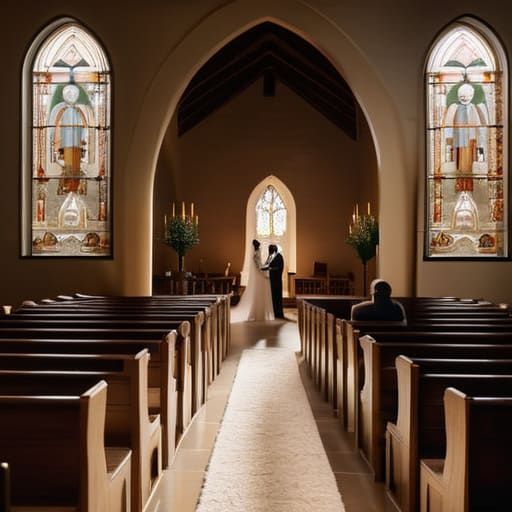
The ceremony is the part where everyone is expected to be on their best behaviour, following the script of wedding ceremony traditions and rituals that have been polished over centuries. It’s the solemn bit—the vows, the rings, the quiet reverence. From my side of the clipboard, however, the ceremony is a high-stakes exercise in spatial management. You have a room full of people sitting in a specific configuration, often under a strict time limit, waiting for a legal or spiritual transition to occur. If the officiant runs long or the ring bearer decides to have a meltdown, it doesn’t just affect the mood; it ripples through the entire day.
When you look at the broader wedding event structure explained, the ceremony is the anchor. It’s the formal “why” of the day, whereas the reception is the “how we celebrate.” People often confuse the two because they see them as one continuous flow, but they require entirely different energy levels. You cannot transition from a silent, tearful vow directly into a high-energy dance floor without a buffer zone. If you don’t account for that mental shift, you’ll find your guests are either too somber to party or too rowdy for the sanctity of the service.
The Blueprint Mastering Wedding Event Structure Explained
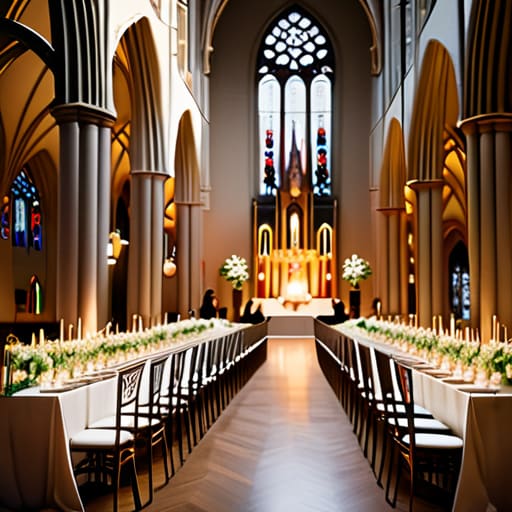
If you want to understand the wedding event structure explained simply, stop looking at the Pinterest boards and start looking at the floor plan. The ceremony is a controlled environment; it has a beginning, a middle, and a very specific end point dictated by the officiant. It’s about focus and stillness. The reception, however, is a completely different beast. It is a moving target of energy levels, hunger pangs, and shifting crowds. You aren’t just moving people from one room to another; you are managing a transition from solemnity to celebration, and if your wedding timeline planning is off by even fifteen minutes, you’ll have a hundred hungry guests staring at you like you’ve personally insulted their ancestors.
The real magic—and the real headache—happens in the friction between these two phases. While the ceremony is governed by ritual, the reception is governed by flow. You have to account for the sudden surge in demand for wedding reception food and drinks the moment the doors swing open, and the logistical nightmare of ensuring the catering staff can actually reach the tables without tripping over a bridesmaid’s train. One is a scripted performance; the other is a high-stakes exercise in crowd control.
The Logistics of the Gap: 5 Ways to Stop the Transition from Tanking Your Event
- The “Hungry Guest” Variable: The ceremony is where people sit still and look pretty; the reception is where they start looking for food. If your gap between the two is longer than ninety minutes, you aren’t “giving them time to mingle”—you are letting your guests’ blood sugar drop to dangerous levels. A hungry guest is a cranky guest, and a cranky guest is a nightmare for my floor staff.
- The Transport Trap: You can have the most seamless ceremony script in the world, but if you haven’t accounted for the twenty minutes it takes to move sixty people from a remote chapel into a reception venue, you’ve already lost the afternoon. Always build in a “buffer” for the transit; in my experience, people move at half the speed you think they do when they’re carrying heels and champagne flutes.
- The Drink-to-Space Ratio: During the ceremony, people are contained. During the reception, they are a liquid force of nature. The moment the ceremony ends, there is a frantic scramble for the bar. If your reception setup doesn’t have enough service points to handle a sudden influx of people, you’ll have a bottleneck at the entrance that kills the mood before the first toast.
- The Soundtrack Shift: You cannot carry the ceremony’s energy into the reception. The ceremony is about focus and reverence; the reception is about momentum. If you try to keep the same “vibe” for both, you’ll end up with a reception that feels like a very long, very expensive funeral. Use the transition to signal to the guests’ brains that the “rules” have changed.
- The Lighting and Layout Pivot: This is the part the wedding blogs forget. The ceremony setup is designed for eyes-on-the-front; the reception is designed for eyes-on-each-other. If you are using the same space for both, you need a hard plan for the “flip.” If the turnaround between the “I do” and the first cocktail isn’t timed against the licence end, you’ll find yourself trying to move tables while the sun is already down and the guests are getting restless.
The Bottom Line: Logistics vs. Magic
At the end of the day, you have to stop viewing the ceremony and the reception as two halves of a whole and start seeing them as two entirely different beasts. The ceremony is your emotional anchor—it’s the solemn, structured moment where the promises happen. The reception, however, is a living, breathing logistics machine that requires its own set of rules, its own power requirements, and a much more aggressive approach to managing the flow of people. If you treat the reception like a formal ceremony, you’ll end up with a room full of bored guests; if you treat the ceremony like a party, you’ll lose the gravity of the moment. Get your timings right, respect the transition between the two, and you’ll avoid the frantic, mid-afternoon scramble that ruins most wedding afternoons.
I know the wedding blogs will tell you to focus on the mood boards and the colour palettes, but let me tell you something from eighteen years on the floor: the most beautiful wedding in the world will feel like a failure if the guests are waiting forty minutes for a drink or if the transition from the aisle to the table is a disorganized mess. When you master the gap between the “I do” and the first dance, you create the space for the magic to actually happen. Plan for the logistical friction, account for every minute before the licence ends, and once the heavy lifting is done, you can actually sit down and enjoy the fact that everything went exactly according to plan.