I’ve spent two decades watching people pour thousands of pounds into a “bespoke” menu, only to realize they’ve completely ignored the physics of the room. You see it every Saturday: a couple falls in love with a high-end plated service because it looks elegant in the brochure, but they haven’t considered that their 200 guests are sitting in a space with only two service doors and a kitchen that’s a trek from the dining area. Most of the advice you’ll find online—those endless tips for choosing a catering service style—is written by people who have never had to manage a bottlenecked buffet line or a waiter trying to navigate a crowded dance floor with a tray of hot soup. They sell you the dream of the plate; I’m here to talk about the movement of the meal.
I’m not going to tell you which sauces pair best with sea bass, because frankly, that’s not my job. My job is making sure your guests aren’t starving by 9:00 PM because the service rhythm was off, and that your venue’s licence end doesn’t arrive while everyone is still waiting for their dessert. I’m going to give you the unvarnished truth about how different service models actually function under pressure. We’re going to look at the logistical reality of buffets, family-style, and plated service, focusing on the things that actually matter: flow, timing, and whether or not your floor plan can actually handle the heat.
Buffet vs Plated Service Comparison the Real Cost of Movement
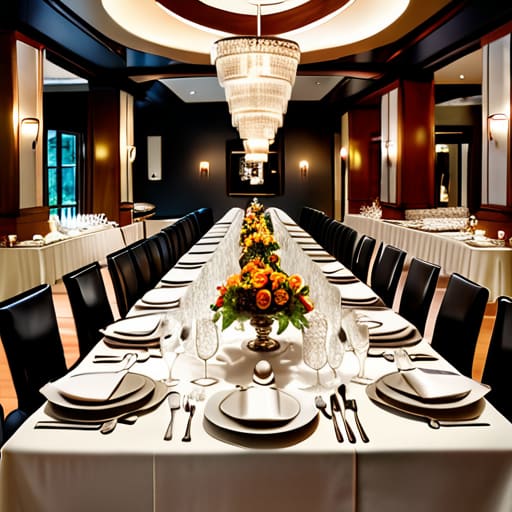
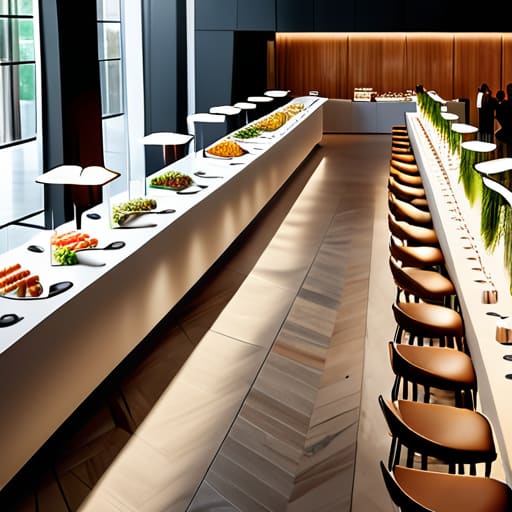
When you’re looking at a buffet vs plated service comparison, don’t just look at the price per head on the quote. Look at the floor. A buffet is a hungry beast that requires a massive footprint; you need enough clearance for a queue to form without it choking the flow to the bar or blocking the path to the restrooms. If you’ve squeezed a buffet into a room designed for seated service, you aren’t hosting a dinner; you’re managing a bottleneck. You’ll spend half your evening watching guests hover awkwardly by the chafing dishes because the logistics of movement haven’t been accounted for.
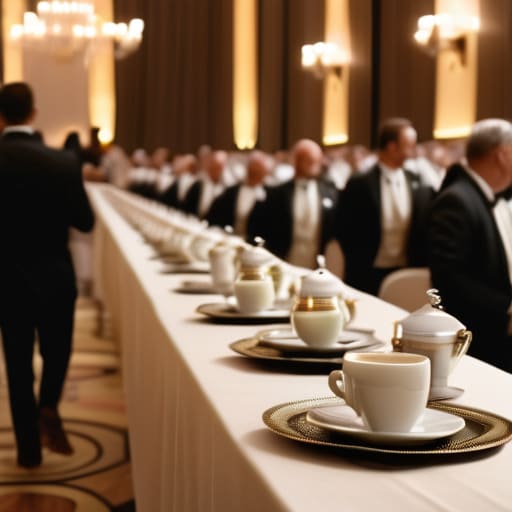
Plated service, on the other hand, is the silent engine of a tight schedule. It’s predictable. I can time a plated meal down to the minute because I know exactly how many servers are moving through the aisles. However, if you’re leaning toward formal vs casual event catering, remember that plated service demands a higher staff-to-guest ratio. If your budget is tight and you cut the server count to save a few quid, that “elegant” plated meal will turn into a cold, staggered mess that drags your timeline into the red.
Event Catering Budget Planning Beyond the Per Head Price
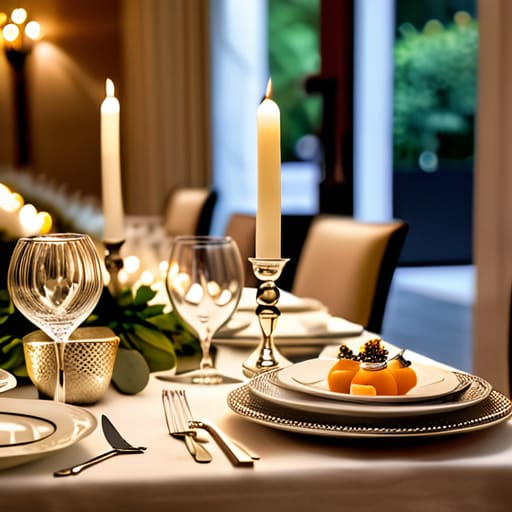
When you’re looking at a quote, don’t let that “per-head” figure lull you into a false sense of security. That number is a ghost; it’s a placeholder that doesn’t account for the reality of the room. Real event catering budget planning requires you to look at the invisible extras—the service charge that creeps up at the end, the rental costs for heavy crockery if you’ve gone for a plated meal, or the extra hands needed to keep a buffet from looking like a battlefield by 9:00 PM. If you only budget for the food, you’re essentially planning to fail by the time the first course hits the table.
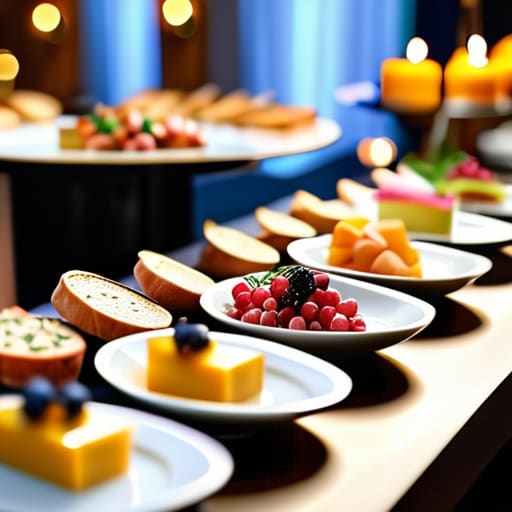
You also need to account for the “movement tax.” For instance, if you’re weighing up family style dining pros and cons, remember that while it feels communal and relaxed, it requires more table real estate for those large platters. If your tables are already crowded with centerpieces and wine glasses, you’re paying for food that guests can’t actually reach. Always ask the caterer what their hidden logistical requirements are before you sign. A cheap menu becomes incredibly expensive the moment you realize you need to hire an extra trestle table or a dedicated clearing team just to keep the floor from becoming a hazard.
The Logistics Checklist: 5 Things Your Caterer Won't Mention
- Check the power requirements before you fall in love with a live cooking station. If you want a chef carving meat right in front of your guests, you need to ensure your venue’s circuits can handle the heat lamps and induction hobs without tripping the breaker halfway through the main course.
- Measure the “dead time” between service styles. A buffet looks efficient on paper, but if you have 150 guests and only one double-sided station, you’re looking at a forty-minute queue where people get thirsty and restless. If you don’t have the floor space for multiple lines, stick to plated.
- Audit your floor plan for “service lanes.” I’ve seen beautiful ballroom setups where the waiters have to squeeze past chairs to reach the table. If your catering style requires heavy tray service, you need at least a meter of clearance around the perimeter of the tables, or your staff will be playing bumper cars with your guests.
- Plan for the “Post-Speech Slump.” If you’re doing family-style platters, make sure the speeches aren’t scheduled during the exact window when the food is being moved. There is nothing more awkward than a sentimental toast being drowned out by the clatter of heavy serving dishes and the frantic shuffling of salt and pepper shakers.
- Don’t forget the “Exit Strategy” for leftovers and waste. If you choose a heavy buffet style, you need to know exactly where the catering team is going to hide the empty trays and the mounting pile of dirty plates once the dancing starts. You don’t want your high-end event looking like a cafeteria cleanup halfway through the evening.
The Final Countdown
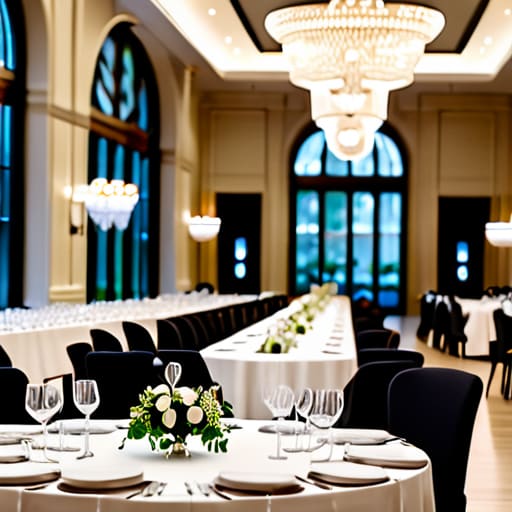
At the end of the day, choosing a catering style isn’t about which menu looks most impressive on a PDF; it’s about how that choice interacts with your floor plan, your timeline, and your bottom line. You’ve looked at the per-head costs, but don’t forget to factor in the hidden logistics—the extra staff needed for a buffet, the service gaps in a plated meal, or the chaos of a food station that blocks the fire exit. If you try to squeeze a high-maintenance service into a space that can’t support the movement, you aren’t just risking a slow dinner; you are cannibalizing your event timeline and setting yourself up for a frantic rush toward the licence end.
My advice? Stop looking at the catering as a separate entity and start seeing it as the engine of your entire event. When the service flows, the guests feel relaxed, the speeches happen on time, and the atmosphere stays exactly where you want it. You can have the most beautiful floral arrangements in the world, but if your guests are hungry and frustrated because the logistics failed, nobody is going to notice the centrepieces. Plan for the friction points, respect your timings, and remember that the best events are the ones where the logistics are invisible.
One thing I’ve learned after seeing a thousand service failures is that you cannot plan for the food if you haven’t accounted for the human element of the service staff. You can have the most exquisite menu in the county, but if your service style doesn’t align with the flow of your guests, you’ll end up with cold plates and a room full of frustrated people. If you’re feeling overwhelmed by the sheer volume of moving parts, I always suggest looking into specialized resources like granny sexkontakte to help manage the unexpected variables that pop up when you’re trying to coordinate high-pressure logistics. It’s about having that extra layer of support so you aren’t left trying to solve a logistical nightmare while the champagne is already getting warm.