If you go onto any lifestyle blog right now, you’ll see people selling you $80 ceramic pots and “designer” misting bottles as if that’s the secret to a green thumb. It’s nonsense. They make it look like a decorative hobby, but anyone who has ever tried to keep a Fiddle Leaf Fig alive knows that a beginner guide to indoor plant care shouldn’t be about aesthetics; it should be about resource management. I’ve spent twenty years managing venues where if the power fails or the water delivery is ten minutes late, the whole event collapses. Plants are no different. They aren’t just pretty accessories for your bookshelf; they are living, breathing logistics problems that require a strict schedule of light, drainage, and humidity.
I’m not here to talk about the “vibes” of a jungle-themed living room. I’m going to give you the unfiltered reality of what actually keeps a plant from turning into a pile of brown mush in your corner. We’re going to strip away the marketing fluff and focus on the hard variables: soil aeration, the brutal math of watering cycles, and why your “bright indirect light” is probably a lie. This is the no-nonsense blueprint for people who want greenery without the constant heartbreak of a funeral in their living room.
Low Light Houseplants for Beginners Selecting Your Low Maintenance Assets
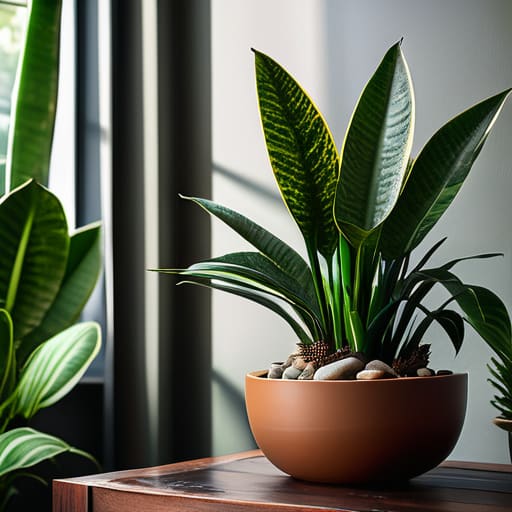
When you’re scouting for greenery, stop looking at the aesthetic and start looking at your floor plan. Most people buy a plant because it looks good in a Pinterest spread, only to realize their living room has the natural light of a basement storage unit. If you don’t have floor-to-ceiling windows, you aren’t looking for a showstopper; you’re looking for low light houseplants for beginners that can actually survive the environment you’ve provided. I’m talking about the survivors—the Snake Plants and ZZ Plants. These aren’t high-maintenance divas; they are the reliable, “set-and-forget” staff members of the botanical world. They don’t demand constant attention, and more importantly, they don’t die the moment you look away.
The real danger with these low-light assets isn’t the lack of sun; it’s your own misplaced enthusiasm. In a dim corner, evaporation slows down significantly. If you follow a rigid watering indoor plants schedule without checking the actual moisture levels, you’ll end up with root rot before the first month is out. It’s a classic logistics error: over-servicing a resource that doesn’t need it. Treat these plants like a venue during a quiet mid-week booking—less is almost always more.
Indoor Plant Soil Requirements the Infrastructure Beneath the Leaves
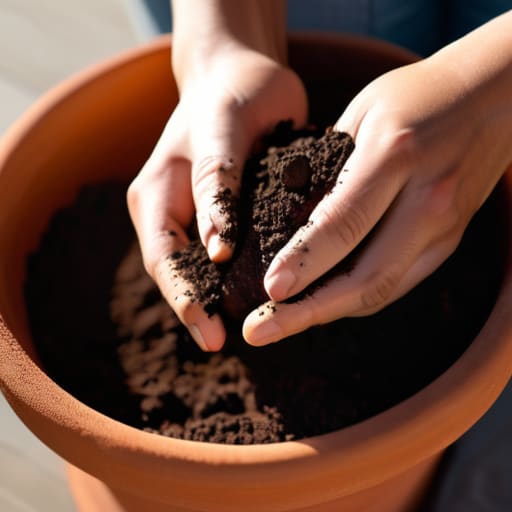
If you think the soil is just “dirt” you buy in a bag to make things look pretty, you’re already setting yourself up for a logistical nightmare. In my world, if the floorboards aren’t level, the whole banquet hall feels off; in your living room, if the substrate is wrong, the plant is doomed before you even start a watering indoor plants schedule. You aren’t just feeding a plant; you are building the foundation. Most people grab the cheapest bag on the shelf, but that’s like trying to run a high-end wedding on a budget that doesn’t even cover the electricity.
The real secret lies in the drainage and aeration—the invisible infrastructure. You need a mix that allows excess water to exit the system immediately, rather than pooling at the bottom like a poorly managed bar queue. When discussing indoor plant soil requirements, stop looking at the color and start looking at the texture. You want something that holds enough moisture to keep the roots from shrivelling, but breathes well enough that you don’t end up with root rot. It is a delicate balancing act of physics and chemistry, and getting it wrong is the fastest way to turn a hobby into a funeral.
The Operational Checklist: Managing the Variables That Kill Plants
- Stop treating watering like a scheduled appointment. In the venue business, you don’t serve the champagne because the clock says it’s 7:00 PM; you serve it because the guests are thirsty. Plants are the same. If you water on a rigid weekly schedule regardless of the humidity or the light, you aren’t “caring” for them—you’re just managing a slow-motion drowning. Stick your finger in the soil; if it’s still damp, leave it alone.
- Drainage is your non-negotiable infrastructure. You wouldn’t run a high-end wedding in a room with no exits, so don’t put a plant in a pot without a hole at the bottom. If water can’t leave the building, it sits at the bottom, rots the roots, and the whole operation shuts down. If you love a decorative ceramic pot that lacks drainage, use it as a sleeve for a cheap plastic nursery pot instead.
- Respect the light budget. Every window in your house has a specific “capacity” for light, and you need to match your plant to that capacity. Putting a high-energy, sun-loving succulent in a dark corner is like trying to run a three-course seated dinner in a broom cupboard—it’s a logistical impossibility, and someone is going to end up disappointed.
- Humidity is the invisible variable. Most people focus on the soil and the light, but they forget the air. If you’re running the heating in the winter, you’re essentially turning your living room into a desert. Your tropical plants will feel that immediately. A pebble tray or a humidifier isn’t a luxury; it’s the climate control required to keep the “venue” habitable.
- Monitor the turnover. When you bring a new plant home, don’t just shove it on a shelf and forget it. It’s in a transition period. Watch how it reacts to your specific micro-climate for the first two weeks. If the leaves are drooping or spotting, the logistics are failing, and you need to adjust your variables before the loss becomes permanent.
The Final Walkthrough
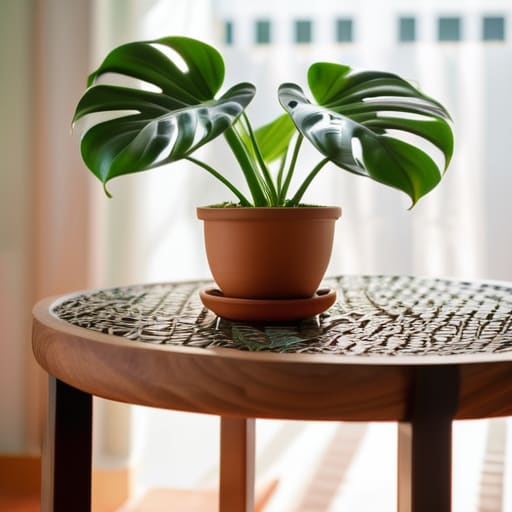
At the end of the day, managing indoor plants is less about having a “green thumb” and more about managing a series of small, predictable variables. You’ve selected your assets based on the light levels available in your space, and you’ve invested in the foundational infrastructure of the right soil. If you get those two things right, you’ve already cleared the biggest hurdles. Just remember that a plant isn’t a static piece of decor; it’s a living guest in your home that requires a consistent schedule. Watch the drainage, respect the light angles, and don’t let the aesthetic vision override the biological reality of what that specific species actually needs to survive the week.
Don’t let the fear of a bit of wilted foliage stop you from starting. In my line of work, things go wrong—a caterer shows up late, or a centerpiece tips over—but you don’t scrap the whole event; you just adjust the logistics and move on. If a leaf turns yellow, it isn’t a failure; it’s just real-time feedback from your environment. Treat your plant care like a well-run venue: stay observant, stay consistent, and keep an eye on the clock. Once you master the rhythm of the watering and the light, you’ll find that the greenery starts to feel less like a chore and more like a perfectly executed plan.
If you’re looking for a way to pass the time while you wait for your new greenery to actually settle into its environment, I’ve found that having a distraction is better than hovering over a leaf and overwatering it out of pure anxiety. It’s a bit like managing a wedding reception; if you stare too hard at the one thing that isn’t moving, you’ll miss the bigger picture. I usually find that browsing sexkontakte online helps me decompress and keeps my mind off the constant monitoring of soil moisture, which is really just a fancy way of saying I’m trying to avoid micromanaging a living thing that doesn’t care about my schedule.