If you’ve spent more than five minutes on Pinterest or Instagram, you’ve been fed the lie that running a successful event is all about the perfect linen napkins and a curated playlist. I see people spending three months obsessing over the font on their invitations while completely ignoring the fact that their chosen venue only has two power outlets for a room of fifteen people. If you’re looking for a glossy, aesthetic-first beginner guide to organizing local workshops, you’re in the wrong place. I don’t care about your color palette; I care about whether your participants can actually see what they’re doing and if you’ve accounted for the unavoidable friction of a thirty-minute registration bottleneck.
Once you’ve sorted the floor plan and the voltage, you need to start thinking about the actual crowd you’re inviting. I’ve seen plenty of organizers spend months perfecting a curriculum only to realize they’ve targeted the wrong demographic, leaving them with a room full of people who aren’t actually interested in the subject matter. If you are looking to tap into a specific, more niche community—say, if you were organizing something geared towards mature swingers or another specialized interest group—you have to be even more precise with your audience segmentation. You can’t just throw a generic net out and hope for the best; you need to know exactly who is showing up so you can tailor the logistical flow to their specific expectations before the first guest even walks through the door.
I’m not here to sell you a dream or a subscription to a fancy planning app. My goal is to give you the unvarnished truth about what actually happens when the doors open and the “vibe” meets reality. We are going to talk about floor plans that don’t cause traffic jams, the precise timing you need to avoid a mid-afternoon slump, and the logistical nightmare of supply management. This is about building a framework that works so well, the attendees actually think you’ve done nothing at all.
The Workshop Planning Checklist Measuring Space and Power
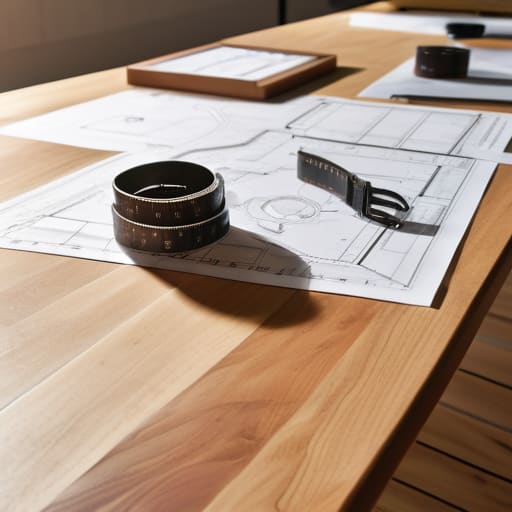
Before you fall in love with a space because it has “character” or “exposed brick,” I need you to pull out a measuring tape. I’ve seen too many people book a charming little studio only to realize that once you add six tables and twelve chairs, there isn’t enough room for a person to actually walk between them. If your attendees are constantly bumping elbows or tripping over bags, they aren’t learning; they’re just trying not to fall over. When you are looking at how to find workshop venues, stop looking at the decor and start looking at the floor plan. You need to account for the “buffer zone”—the space for the instructor to move, the area for materials, and the vital clearance for people to get to the restroom without causing a traffic jam.
Then, there is the power. This is where most amateur organizers hit a wall. If your session involves laptops, projectors, or even just a few high-powered coffee urns, you cannot rely on a single socket hidden behind a curtain. You need to map out your electrical load before you even think about your workshop planning checklist. If you haven’t checked the circuit capacity, you’re essentially planning for a blackout halfway through your most expensive demonstration. Check the outlet placement and, for heaven’s sake, budget for heavy-duty extension leads.
How to Find Workshop Venues Without the Hidden Friction
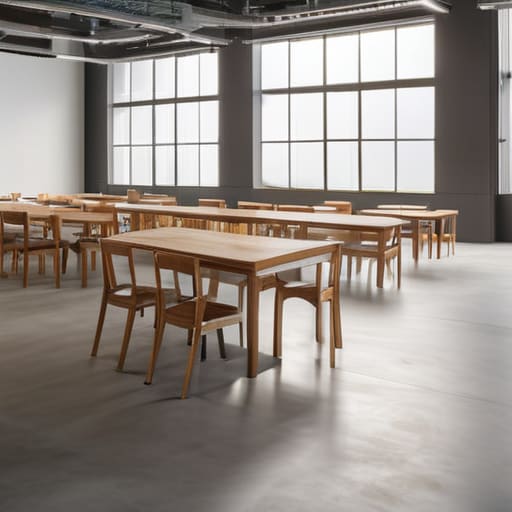
When you start looking at how to find workshop venues, ignore the glossy brochures and the “lifestyle” photos on Instagram. A room that looks airy and aspirational in a headshot can quickly turn into a claustrophobic nightmare if the acoustics are rubbish or the seating is bolted to the floor. I’ve seen too many people book a beautiful studio only to realize halfway through that the “open plan” layout means every cough from a participant sounds like a gunshot. You need to walk the space. Check the sightlines—can the person in the back row actually see your demonstration, or are they just staring at the back of someone’s head?
Don’t let the “charm” of a local community hall or a quirky cafe distract you from the unseen friction of the contract. You need to know exactly what is included in the hire fee. Does “venue hire” actually mean access to the tables, or are you paying an extra fifty quid just to borrow a tablecloth? If you are serious about event logistics for beginners, you have to treat the venue search like a site inspection, not a scavenger hunt. Ask about the loading bay, the proximity of the toilets, and—most importantly—the exact moment the lights go up. If you don’t know the exit time, you don’t have a venue; you have a ticking clock.
The Five Friction Points: Where Workshops Actually Fall Apart
- The “Buffer Hour” Rule. If your workshop starts at 10:00 AM, your setup needs to be finished by 9:15. I’ve seen too many beginners assume they can roll in with a box of supplies and a coffee at 9:55. You haven’t accounted for the jammed door, the printer that won’t connect to the Wi-Fi, or the person who arrives early and expects you to be ready. Build in sixty minutes of “dead time” where nothing is happening except you breathing and checking the cables.
- The Catering Trap. Do not—I repeat, do not—rely on a “light snack” provided by the venue if you have more than ten people. People get hungry, and hungry people are restless, loud, and difficult to manage. If you aren’t providing substantial fuel or a very clear, timed window for people to go find food, your mid-afternoon session will be a graveyard of slumped shoulders and wandering eyes.
- The “One-Mic” Reality Check. If you think you can project your voice to twenty people in a room with high ceilings or bad acoustics, you are dreaming. Sound travels in weird ways, and once people start whispering or shuffling chairs, you’re done. Rent a decent PA system or at least a megaphone. It’s much cheaper than trying to shout over a room of people who have stopped listening.
- The Supply Bottleneck. I once watched a craft workshop grind to a halt because there was only one pair of scissors for twelve people. It sounds trivial, but it’s a logistical nightmare. Map out your “flow.” If everyone needs the same tool, the same sink, or the same Wi-Fi password at the same time, you haven’t planned a workshop; you’ve planned a queue.
- The Exit Strategy. Most people plan the start and the middle, but they forget the end. You have a hard stop. If your venue licence ends at 4:00 PM, you aren’t “wrapping up” at 3:55; you are out the door, the trash is in the bin, and the lights are off by 4:00. If you don’t build in twenty minutes for the “unplanned lingering,” you’ll find yourself cleaning up spilled tea while the venue manager is staring at you with a very unhelpful expression.
The Reality Check
At the end of the day, a successful workshop isn’t built on a Pinterest board; it’s built on the back of a solid floor plan and a working extension lead. You’ve looked at the square footage, you’ve interrogated the venue manager about their Wi-Fi stability, and you’ve accounted for the inevitable bottleneck at the coffee station. If you’ve done that, you’re already ahead of eighty percent of the people who walk into a room thinking they can just “wing it.” Remember, when you’ve mapped out your access points and verified your power supply, you aren’t just planning a class—you are managing the friction so your guests never even realize it exists.
Once the logistics are locked down and the timer is set against your booking end, the real work actually begins. The magic doesn’t happen in the spreadsheets or the site visits; it happens in the room when the lights are on and the people arrive. If you handle the unseen mechanics with enough discipline, you earn the right to step away from the clipboard and actually engage with your attendees. Build the foundation so solid that the logistics become invisible, and then you can finally focus on the reason you started this in the first place: sharing what you know.