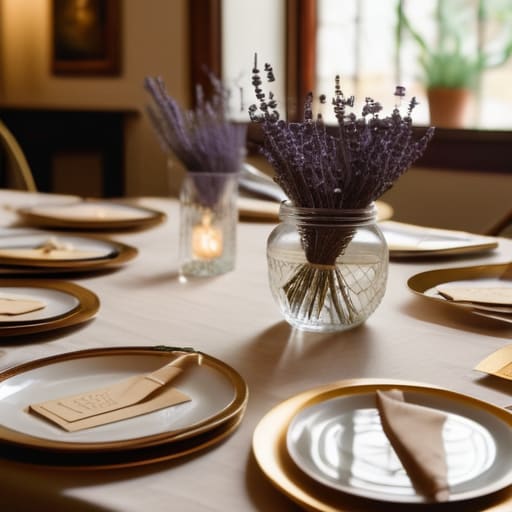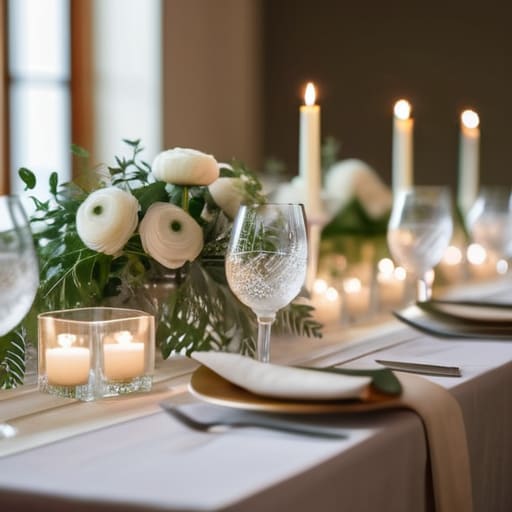
I spent forty-five minutes last Saturday watching a bride cry because her “budget-friendly” eucalyptus centerpieces arrived looking like wilted salad greens, while her father was busy arguing with a waiter about the cost of a gin and tonic. It’s the same story every weekend. Everyone tells you to DIY your flower arrangements or skip the cake to save a few quid, but they never tell you that a DIY floral station often ends up costing more in stress and last-minute replacements than just hiring a professional. If you want to learn how to reduce wedding costs sensibly, you have to stop looking at the pretty pictures on Pinterest and start looking at the actual mechanics of your guest list and your venue’s contract.
I’m not here to tell you to use paper plates or host a wedding in your backyard—I’ve seen enough “rustic” weddings to know that a lack of power outlets and running water is a recipe for a logistical nightmare. Instead, I’m going to show you where the real money leaks out of a wedding budget and how to plug them. We’re going to talk about timing, logistics, and vendor management—the invisible stuff that actually dictates your bottom line. I’ll give you the honest truth about where you can cut without the day falling apart, and more importantly, where you cannot afford to compromise.
Table of Contents
Strategic Wedding Budget Allocation Over Aesthetic Excess

Most couples approach their wedding budget like they’re decorating a dollhouse—obsessing over the exact shade of the rose petals while completely ignoring the structural integrity of the day. You can spend three grand on bespoke calligraphy for place cards, but if you haven’t factored in the cost of a reliable bar service or enough power outlets for the band, you’re just rearranging deck chairs on the Titanic. Effective wedding budget allocation isn’t about deprivation; it’s about deciding where the money actually buys you a better experience versus where it just buys you a prettier photo.
If you want to see real results, start with wedding priority setting that favors the guest experience over the Instagram feed. I’ve seen weddings where the floral installations were breathtaking, but the guests were starving because the caterer didn’t have enough staging space to work. If you have to choose between a premium flower wall and a guest list that actually fits comfortably in the room, choose the guest list. Minimizing wedding expenses becomes much easier when you stop paying for things that guests will forget by the time the last dance is over.
Smart Wedding Planning Tips for the Unseen Details

Most people treat their wedding guest list like an endless buffet, thinking more is always better. They aren’t. If you want to master wedding guest list management, you have to stop thinking about who you should invite and start thinking about the per-head cost of a warm meal and a chair. Every person you add isn’t just a name on an envelope; it’s an extra unit of catering, a larger rental requirement, and a tighter squeeze on the dance floor. If you trim the list by twenty people, you haven’t just saved on postage—you’ve likely freed up enough capital to actually upgrade the wine or the main course.
Then there is the matter of the “small” things that aren’t actually small. I see it every weekend: couples spending a fortune on bespoke signage and custom-scented candles, while they’re running a deficit on the actual logistics. Real smart wedding planning tips involve looking at the friction points. Instead of buying expensive favors that guests will leave on the table, invest that money into a seamless transition between the ceremony and the drinks reception. Focus on the flow, not the fluff. If the logistics work, the guests won’t notice the lack of personalized place cards, but they will certainly notice if they’re standing around thirsty for forty minutes.
Five Places to Cut the Fat (Without Sacrificing the Day)
- Stop the floral arms race. You don’t need a three-foot-tall centerpiece to signal to your guests that you’ve spent money. If you want to save, go for high-impact greenery or simple, seasonal blooms in clusters. I’ve seen more money wasted on expensive, out-of-season peonies that wilted by the time the first dance started than I care to count.
- Audit your guest list by capacity, not just by heart. Every person you add isn’t just a plate of food; they are a chair, a glass, a napkin, and ten minutes of extra logistics. If you’re pushing the capacity of a room, you’re paying a premium for the squeeze. Cut the numbers, and you’ll suddenly find breathing room in the budget.
- Rethink the bar math. If you’re doing a full open bar with top-shelf spirits, you’re basically handing your savings to the liquor supplier. Limit the selection to beer, wine, and one or two signature cocktails. It keeps the service lines moving faster—which keeps the peace—and keeps your bill from spiraling out of control.
- The “Day-Of” Stationery Trap. Digital invites are efficient, but if you insist on paper, don’t go overboard with gold foil and heavy cardstock. Most of those expensive menus and place cards end up in a bin by midnight. Keep the printed stuff functional and minimal; your guests are there for the atmosphere, not a calligraphy lesson.
- Beware the “Add-on” Creep. This is where the budget goes to die. It’s the extra lighting, the specialized dance floor, the late-night snack station you didn’t plan for. Before you sign off on any extra, ask yourself: “Does this solve a problem, or am I just buying a feeling?” If it doesn’t affect the flow or the comfort of the guests, leave it on the table.
The Bottom Line

At the end of the day, reducing your wedding budget isn’t about deprivation; it’s about ruthless prioritization. If you spend your entire contingency fund on bespoke stationery and hand-pressed silk ribbons, you’re going to feel the sting when the guest list creeps up or the weather turns and you suddenly need a marquee. I’ve stood in rooms where the decor was breathtaking but the guests were standing around with empty glasses because the bar logistics hadn’t been funded properly. Focus your money on the things that actually drive the guest experience—the food, the flow, and the operational essentials—rather than the things that only look good in a filtered Instagram post.
Look, I’ve seen it all. I’ve seen the million-pound weddings that felt hollow and the modest, tight-budget affairs that felt like the best night of everyone’s lives. The difference isn’t the price tag; it’s the planning. When you stop treating your wedding like a photoshoot and start treating it like an event that needs to function, the stress levels drop and the money goes further. Build a day that actually works, keeps the drinks flowing, and gets everyone home before the licence ends. Everything else is just noise.
Frequently Asked Questions
If I cut the guest list to save on catering, how do I manage the fallout from the people I've inevitably offended?
Look, you aren’t just cutting a guest list; you’re managing a social fallout. If you want to survive the “why wasn’t I invited?” phone calls, stop being vague. Don’t do a “B-list” where you send invites in waves—that’s how you get caught and look like a villain. Pick a hard rule: immediate family only, or no children. People can argue with a budget, but it’s much harder to argue with a consistent, logical boundary.
At what point does "doing it yourself" stop being a cost-saver and start becoming a logistical nightmare that costs me more in stress and mistakes?
The moment you trade a professional for a “vision” that requires more than two hands and a van. If your DIY plan involves transporting fragile decor, managing a timeline, or coordinating vendor arrivals, you aren’t saving money; you’re just volunteering to be an unpaid, stressed-out production manager. The second you find yourself worrying about whether the centerpiece is straight instead of checking if the bar is stocked, you’ve crossed the line.
How much of my budget should I actually be setting aside for the "hidden" costs like service charges, power requirements, and staffing that nobody mentions until the final invoice arrives?
If you haven’t set aside 15% of your total budget for the “unseen” stuff, you’re playing a dangerous game. I’ve seen too many couples go all-in on the floral installations only to realize they haven’t accounted for the service charge, the extra power drop for the band, or the staffing levy. Stop treating these as optional extras. They aren’t. They are the literal electricity and hands that make your expensive party actually happen.