I’ve sat in the back of enough wedding breakfasts to see exactly where the cracks appear, and they almost always start with the schedule. You’ll see those glossy bridal magazines suggesting you can squeeze a bridal party portrait session, a sunset golden hour shoot, and a full family lineup into a forty-minute window between the ceremony and the canapés. It’s a lie. If you don’t understand how to plan wedding photography time with a realistic eye for human movement—and the fact that Auntie Sheila will take ten minutes just to find her glasses—you aren’t planning a celebration; you’re scheduling a logistical disaster.
I’m not here to talk to you about lighting presets or the “emotional arc” of your album. I’ve spent eighteen years managing venues, and I know that a wedding is a series of moving parts that all need to fit within a strict licence end. In this guide, I’m going to show you how to build a timeline that actually works, accounting for the unseen friction like travel delays and hungry guests. We’re going to get practical about the minutes, so you can actually enjoy your drink instead of checking your watch.
Table of Contents
Mastering the Wedding Day Timeline Template
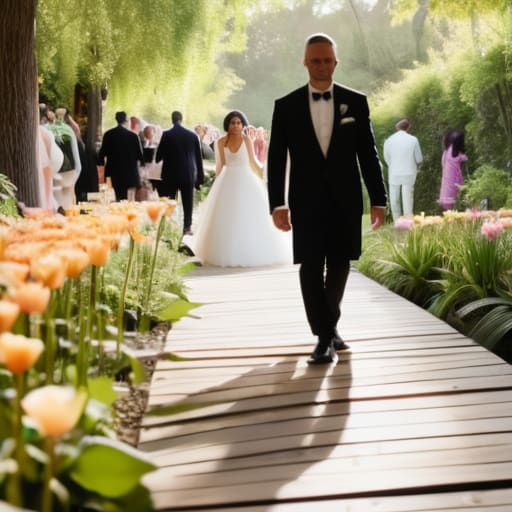
Most people download a wedding day timeline template and treat it like a holy text. They see a pretty grid of colors and assume that if they follow it, the day will magically unfold. It won’t. A template is just a piece of paper until you stress-test it against reality. I’ve seen a dozen “perfect” schedules fall apart because the couple forgot that moving sixty people from a ceremony altar to a cocktail area isn’t a seamless transition—it’s a slow-moving human clog. You need to build in buffer zones for the inevitable delays, like the flower girl who decides she’s done being a bridesmaid or the uncle who takes twenty minutes to find his tie.
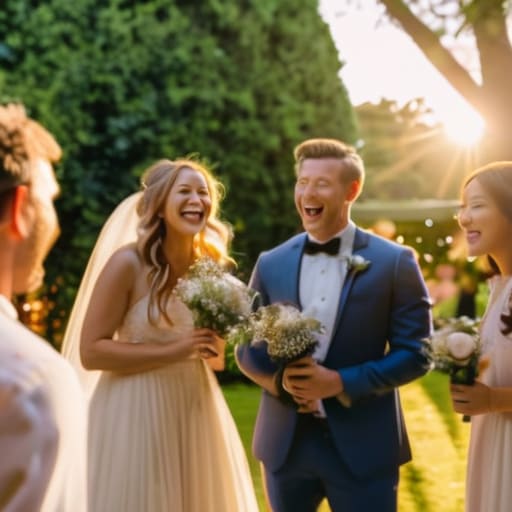
When you are actually managing wedding photography schedule requirements, you have to stop thinking about “moments” and start thinking about “windows.” If you want that soft, romantic light, you can’t just hope for it; you need to calculate your golden hour photography timing against the actual sunset and the distance from your dinner tables. If your portraits are scheduled for 7:00 PM but your venue’s licence ends at 11:00 PM, you are already cutting it too close. Plan for the movement, not just the poses.
The Calculated Risk of First Look Timing Benefits
Now, let’s talk about the “First Look.” In the wedding industry, this is treated like a controversial theological debate, but in my world, it’s a tactical decision about how much time you actually have left before the bar opens. The first look timing benefits aren’t about being less “traditional”; they are about reclaiming your evening from the tyranny of the schedule. If you opt for the traditional reveal after the ceremony, you are essentially gambling that your guests won’t start a riot when the appetizers are late and the couple is nowhere to be seen.
By doing the reveal privately beforehand, you aren’t just cutting out the nerves; you are buying back your cocktail hour. Instead of being stuck in a field for ninety minutes while your guests wonder if you’ve been kidnapped, you can actually join them. This allows for much more control when managing wedding photography schedule constraints, as you can knock out the heavy lifting of portraits while everyone is still relatively composed. It turns a chaotic scramble into a controlled transition, ensuring you aren’t the reason the entire evening starts twenty minutes behind the licence end.
Five Ways to Stop Your Photographer from Chasing the Sunset
- Build in a ‘buffer of chaos’ for every transition. You think moving sixty people from a ceremony space to a cocktail area takes five minutes; in reality, it takes twenty because someone’s grandmother lost a shoe and the usher is stuck in a conversation about hedge trimming. If you don’t add fifteen minutes of dead air to your photography schedule, you aren’t planning, you’re just hoping.
- Respect the transit time between locations. I’ve seen countless couples book a stunning manor house for the ceremony and a chic urban loft for the reception, only to realize they haven’t accounted for the thirty-minute crawl through city traffic. Your photographer isn’t a magician; they can’t take portraits in the back of a moving Uber, and you’ll lose your best light while sitting in gridlock.
- The ‘Golden Hour’ is a hard deadline, not a suggestion. If your licence ends at midnight, you know how the night goes. Similarly, if your photographer needs that soft, amber light for your portraits, that window is non-negotiable. Plan to slip away from your own party for twenty minutes during dinner. It feels rude until you see the photos, and then you’ll realize it was the only part of the day that actually felt calm.
- Stop trying to photograph every single guest. I’ve managed enough weddings to know that if you try to get a formal portrait of every aunt, uncle, and distant cousin, you will spend three hours of your reception standing in a line like a school assembly. Pick the VIPs, get the shots, and let the rest of the day happen naturally. Your guests want to drink, not pose.
- Account for the ‘Getting Ready’ bottleneck. Everyone wants the shot of the bride sipping champagne in her silk robe, but nobody plans for the fact that the hair and makeup artist is running forty minutes behind. If your photography start time is tied to a specific look, ensure you have a contingency. If the dress isn’t on by the time the photographer arrives, you’re paying for them to photograph an empty room and a very stressed bridesmaid.
The Reality Check
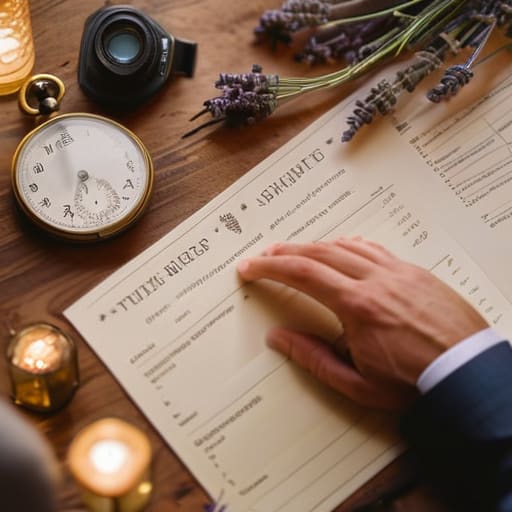
At the end of the day, a wedding photography schedule isn’t just a list of pretty moments; it is a tactical map designed to prevent a total collapse of the evening. You have to balance the lighting, the guest hunger levels, and that immovable licence end that will eventually send everyone home. If you build in your buffers, account for the travel time between locations, and decide early on whether you’re doing a First Look, you aren’t just planning photos—you are managing the energy of the entire room. Don’t let a beautiful Pinterest board trick you into thinking that time is elastic. It isn’t. Logistics are the invisible scaffolding that allows the magic to actually happen without everyone feeling rushed or, worse, abandoned by their photographer during the cocktail hour.
My advice? Stop obsessing over whether the rose petals match the napkins and start obsessing over the flow. When you nail the timing, you give yourself the greatest luxury a wedding can offer: the ability to actually be present. There is a massive difference between a couple who is constantly being pulled away for “just one more shot” and a couple who can actually enjoy their first drink because the heavy lifting was handled during the gaps. Plan the chaos so you can forget the schedule exists once the music starts. If the logistics are tight, the wedding will feel effortless, and that is the only thing that truly matters when the lights go down.
Frequently Asked Questions
How much time do I actually need to buffer for family portraits if I don't want my guests staring at us through the windows while they wait for dinner?
Listen, if you want to avoid that awkward “zoo exhibit” vibe where your guests are peering through the glass like they’re at a petting zoo, you need forty-five minutes, minimum. Thirty is what the brochures say; forty-five is what reality demands. You have to account for the Great Aunt who wanders off, the ring bearer who has a meltdown, and the inevitable delay in getting everyone to stand in the same zip code.
If we decide to skip the First Look to save time, how much of the cocktail hour am I realistically sacrificing to get those couple shots done?
If you skip the First Look, you aren’t just “sacrificing” a bit of the cocktail hour; you’re essentially signing a contract to spend forty-five minutes of it hiding in a corner with your photographer. By the time you finish the formal family groupings and get those “romantic” shots, your guests will be halfway through their second drink and starting to wonder where the newlyweds went. You’re trading a controlled moment for a frantic race against the licence end.
What happens to the photography schedule if the ceremony runs twenty minutes late—does the whole timeline collapse, or is there a way to claw that time back?
It doesn’t collapse, but you’re going to feel the squeeze. When the ceremony runs twenty minutes late, you don’t try to find that time in the empty air; you steal it from the margins. I tell my couples: cut the extended cocktail hour or trim the formal family portraits. You can’t fight the licence end, and you can’t make the caterer serve dinner faster. You just have to decide which “nice-to-have” moment is worth sacrificing to keep the evening moving.