
I’ve spent eighteen years watching people try to solve family tension with expensive floral arrangements and “sentimental” seating charts, as if a sprig of eucalyptus could somehow bridge the gap between a divorced father and a resentful stepmother. It’s a lie sold by every wedding blogger with a ring light. The truth is, if you want to know how to handle family dynamics, you don’t look at the color palette; you look at the proximity of the power players. I once watched a beautifully catered wedding descend into a silent cold war simply because the bride placed her aunt—the family’s undisputed matriarch—at a table where she couldn’t see the head table. You can’t decorate your way out of a grudge.
I’m not here to give you platitudes about “love and unity” or suggest you host a family meeting to discuss feelings. I’m here to talk about the logistics of peace. I’m going to show you how to manage the seating chart like a minefield, how to time the speeches so the heavy hitters don’t hijack the evening, and how to build buffers into your schedule before the first drink is even poured. We are going to solve this like a logistics problem, not a therapy session.
Table of Contents
Setting Healthy Boundaries Before the First Course

Setting healthy boundaries isn’t some soft, therapeutic concept you pick up in a weekend workshop; in my world, it’s about perimeter control. If you wait until the champagne is flowing and Uncle Terry is halfway through a monologue about the 1984 election, you’ve already lost the room. You need to establish the rules of engagement before the first course hits the table. This means deciding, well in advance, who is allowed to hijack the microphone and who gets a polite “not now” when they try to bring up that decade-old grudge. Setting healthy boundaries is essentially your pre-event briefing—it’s telling people where the lines are drawn before they accidentally trip over them.
I’ve seen too many beautiful receptions dissolve into chaos because someone thought “family” meant “unfiltered access to everyone’s business.” You aren’t being rude by deciding that certain topics or certain people are off-limits for the day; you are simply managing the environment. Think of it as improving communication with relatives by being crystal clear about the schedule and the expectations. If you don’t define the space, the loudest person in the room will do it for you, and they rarely have your best interests at heart.
Navigating Blended Family Relationships Without a Script

Navigating blended family relationships is less about the “new beginnings” the greeting cards promise and more about managing the sheer, unscripted friction of different histories colliding in one room. I’ve seen it a dozen times: you have two different sets of traditions, two different ways of handling a seating plan, and a dozen unspoken rules about who sits where and who gets priority at the buffet. When you’re trying to integrate two lives, you aren’t just hosting a meal; you are managing a complex merger where the stakeholders have very different ideas of what “fair” looks like.
The mistake most people make is expecting a seamless transition. It doesn’t happen. Instead of hoping for harmony, focus on improving communication with relatives by being incredibly explicit about the logistics of the day. If a step-parent is taking a lead role in a toast, or if certain children need a specific space to retreat to, bake that into the schedule. You cannot rely on intuition when navigating blended family relationships; you have to rely on a clear, pre-agreed plan that acknowledges the complexity rather than pretending it isn’t there.
The Seating Chart Minefield: Five Ways to Prevent a Civil War Before the Dessert
- Treat the seating chart like a tactical map, not a social gathering. You don’t put your cousin who thinks he’s a philosopher next to your aunt who’s one gin and tonic away from a meltdown. If you can’t guarantee they’ll play nice, put a physical buffer of neutral, easy-going guests between them. Distance is your best friend when the tension starts rising.
- Control the speech queue like you’re managing a high-stakes stage handover. Unscheduled speeches are the primary cause of event drift and general irritation. If you haven’t vetted the person, don’t give them a microphone. Tell them they have three minutes, or better yet, tell them the schedule doesn’t allow for it. A wedding isn’t a town hall meeting.
- The “Buffer Zone” strategy for high-conflict personalities. Every event has that one person who makes everyone else feel like they’re walking on eggshells. Don’t try to integrate them into the main group; give them a specific, low-stakes role or a seat near the exit. It’s much easier to manage a single outlier than a room full of people wondering if the peace is about to break.
- Watch the clock, not just the emotions. Most family friction peaks when people get hungry, thirsty, or tired. If the food is running twenty minutes late, the grievances will double. Keep the drink service moving and the appetizers coming. A well-fed guest is a quiet guest; a hungry guest is a critic looking for a reason to start an argument.
- Establish a “No-Fly Zone” for sensitive topics. You can’t control what people say, but you can set the expectation that certain topics—politics, inheritance, or why the second cousin isn’t married yet—are off-limits for the evening. If a conversation veers toward the danger zone, have a polite, firm exit strategy ready. You aren’t there to mediate a decade-old grudge; you’re there to hit the licence end with everyone still on speaking terms.
The Final Run-Sheet
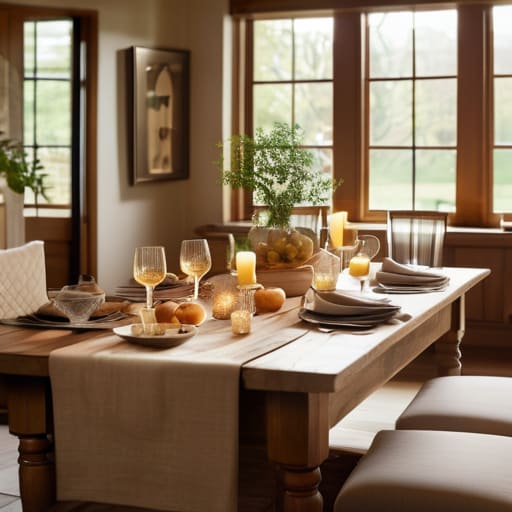
At the end of the day, managing family dynamics isn’t about achieving some impossible, cinematic state of perfect harmony; it is about mitigating the friction so the actual celebration can happen. You’ve set the boundaries, you’ve mapped out the seating chart like a tactical operation, and you’ve accounted for the personalities that tend to drift toward the bar when things get tense. Remember that you cannot control how your Great Aunt Muriel reacts to a seating change, but you can control the buffer zones you build around her. If you treat these social complexities as part of your logistical planning rather than an unexpected interruption, you stop being a victim of the drama and start being the manager of the room.
When the lights go down and the licence end is ticking toward zero, you won’t remember the minor tension at the buffet or the awkward silence during a toast. You will remember whether you were actually present for the moments that mattered, or whether you spent the whole night playing firefighter. Don’t let the unseen logistics of people steal the joy of the occasion. Plan for the chaos, build in your breathing room, and then—once the heavy lifting of the planning is done—actually show up for your own event. The best-run weddings aren’t the ones where nothing went wrong; they are the ones where the hosts were too well-prepared to let the wrong things matter.
Frequently Asked Questions
How do I handle a relative who refuses to follow the seating plan or insists on moving to a table where they don't belong?
Listen, if Uncle Terry decides he’s moving from Table 12 to the head table halfway through the mains, you aren’t fighting a battle of etiquette; you’re fighting a battle of physics. Once he’s sat down and has a wine in hand, the friction starts. My advice? Don’t let the couple handle it. They’re busy being the center of the universe. Delegate it to a trusted bridesmaid or a sharp-eyed usher. A polite, “We’ve actually got a specific flow planned for the service, Terry,” works better than a lecture. Keep it moving. You have forty minutes until the speeches, and you can’t afford a seating revolt stalling the kitchen.
What do I do when the "unplanned speech" starts going south and begins making people uncomfortable?
When the “unplanned speech” turns into a slow-motion train wreck, you don’t wait for the awkward silence to settle—you break it. As a manager, I’ve learned that momentum is your only weapon. You need a tactical interruption. Don’t challenge the speaker; instead, pivot to a logistics-based cue. “That was a lovely sentiment, truly—but before we lose the rhythm, let’s get the next course ready.” It’s not rude; it’s a controlled reset.
How much buffer time should I actually build into the schedule to account for family drama or delays without pushing us right up against the licence end?
You don’t build a buffer for the drama; you build it for the physics of people. If you think a transition takes ten minutes, it’ll take twenty. I always bake in a fifteen-percent “chaos margin” across the board. If your licence ends at midnight, your last dance shouldn’t start until 11:15. That twenty-minute cushion isn’t for the toasts—it’s for the inevitable moment a guest gets sentimental, a relative gets loud, or the photographer realizes they’re missing a shot.