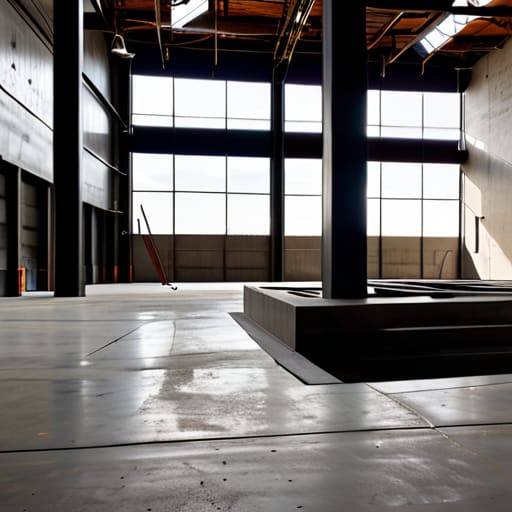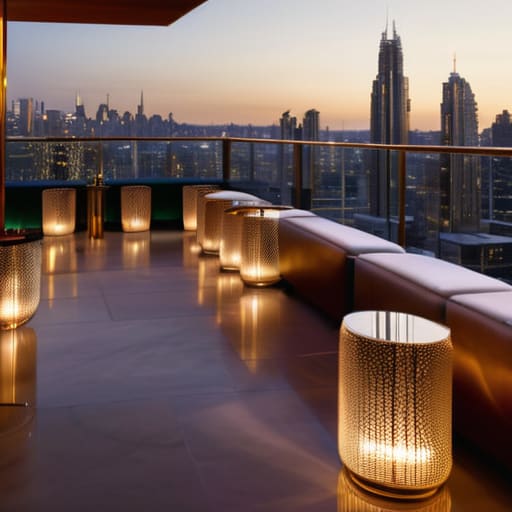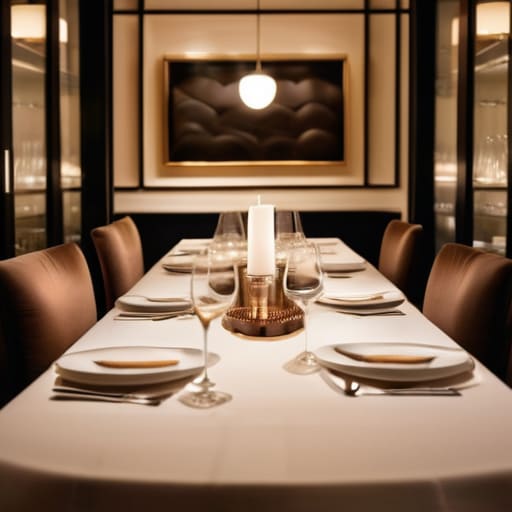
I’ve spent eighteen years watching couples walk into my space with a Pinterest board in one hand and a dream in the other, only to realize they’ve spent their entire budget on silk napkins while completely ignoring the fine print. Most wedding blogs will tell you that learning how to negotiate with a venue is about haggling over the price of a champagne toast or asking for a discount on the bridal suite. That’s nonsense. If you’re fighting over the cost of a centerpiece, you’ve already lost the battle. Real negotiation isn’t about the fluff; it’s about the unseen logistics—the power requirements for the band, the exact window for vendor load-in, and ensuring you aren’t paying a premium for a room that can’t actually fit your guest list once the buffet table is in.
I’m not here to give you a polished list of “polite ways to ask for things.” I’m going to show you how to sit down with a venue manager and actually control the room. We are going to strip away the wedding industry’s marketing gloss and look at the raw mechanics of a contract. I’ll teach you how to negotiate for the things that actually matter—access, timing, and flexibility—so that when the licence ends at midnight, you aren’t left staring at a bill you didn’t see coming.
Table of Contents
Unmasking Hidden Fees in Venue Contracts

When you’re staring at that initial quote, it looks clean. It looks manageable. Then the contract arrives, and suddenly you’re playing a game of financial whack-a-mole. Most people think they’re negotiating the room hire, but the real battle is fought in the fine print of the event venue contract terms. I’ve seen couples walk into a room thinking they’ve secured a bargain, only to be blindsided by a “service charge” that’s basically a second mortgage, or a “corkage fee” that makes a bottle of decent Prosecco cost more than the wedding cake.
Don’t let the shiny brochure distract you from the math. If you want success in reducing wedding venue costs, you have to hunt for the “miscellaneous” line items. Ask about the setup and breakdown fees—because yes, the venue will try to charge you for the hour they spend moving chairs. Ask about the power requirements for your band and the exact cost of extra tables. If a fee isn’t explicitly itemized, it’s a trap. Treat every vague number as a potential leak in your budget until you’ve pinned it down to a specific, fixed amount.
Event Planning Budget Optimization Beyond the Sticker Price
Once you’ve stripped away the layers of hidden fees, you’re left with the sticker price—and that’s where most people start making mistakes. They see a number and think they’re stuck. But true event planning budget optimization isn’t about finding a cheaper room; it’s about understanding what is actually included in that room. I’ve seen couples blow an extra three grand on rentals because they didn’t realize the venue’s “basic package” didn’t include enough linen for a round table, or they ended up paying a premium for “service staff” that should have been baked into the initial quote.
If you want to actually see results in your bank balance, you need to start negotiating catering minimums and service charge structures before you sign anything. Don’t just accept a flat per-head cost; ask if that includes the VAT, the gratuity, or the inevitable “corkage fee” that appears when you bring in your own wine. I always tell my clients to look at the gaps. If the venue is providing the space but not the tables, or the lighting but not the power distribution, you aren’t saving money—you’re just deferring the bill to a different vendor.
The Real Leverage: 5 Things to Negotiate Before the Ink Dries
- Stop obsessing over the room hire and start talking about the ‘service charge’ and ‘corkage’ math. I’ve seen enough contracts where the venue saves a fortune by charging you £30 a bottle for wine you could buy for £12, and they call it ‘service.’ Don’t just accept the percentage; ask for a cap on service fees or a breakdown of what that extra 15% actually buys you in terms of staff-to-guest ratios.
- Negotiate for ‘Access Windows’ rather than just ‘Event Hours.’ A venue will tell you your wedding starts at 2:00 PM and ends at midnight, but if they aren’t letting your florist in until 12:30 PM, you’re paying for a frantic, expensive scramble. Get it in writing: when can the decorators arrive, and more importantly, when do they have to be out so you aren’t paying for extra hours of setup time.
- The ‘Power and Tech’ trap. Most people assume the Wi-Fi and the plug sockets are included. They aren’t always. I’ve seen DJs arrive only to find out the venue charges a ‘technical infrastructure fee’ just to use their existing sound system, or worse, that you need to hire a generator because the catering ovens will trip the breakers. Negotiate the inclusion of basic AV and power access into your base price.
- Build in ‘The Pivot Clause.’ Things go wrong. A guest list grows by ten people at the last minute, or the weather turns and you need to move the cocktail hour from the lawn to the foyer. Instead of getting hit with ’emergency reconfiguration fees,’ negotiate a set of pre-approved contingency options in the contract that won’t cost you an arm and a leg when the clouds break.
- Negotiate the ‘Licence End’ flexibility. You can’t change the law, but you can change how the venue manages the exit. If your licence ends at midnight, don’t let them squeeze your last dance into 11:45 PM. Negotiate a structured ‘winding down’ period where the music stays low but the bar stays open, ensuring your guests aren’t being ushered into the street like cattle the moment the clock strikes twelve.
The Final Countdown

At the end of the day, negotiating a venue contract isn’t about being the loudest person in the room or trying to squeeze every last penny out of a manager. It’s about clarity. You’ve looked at the sticker price, you’ve hunted down the hidden service charges, and you’ve accounted for the logistical gaps that most people ignore. If you walk away with a contract that clearly defines your load-in times, your power requirements, and exactly what happens when the licence ends at midnight, you’ve already won. Remember, a contract that leaves room for ambiguity is just a polite way of inviting a disaster. Focus on the logistics of the fine print, because that is where the actual success of your event is decided long before the first guest arrives.
I know it feels like you’re being clinical, or perhaps even a bit cynical, when you’re obsessing over floor plans and catering access instead of silk ribbons and centrepieces. But trust me, when the pressure is on and the kitchen is running twenty minutes behind, you won’t be thinking about the colour of the napkins. You’ll be thinking about the solid foundation you built. Negotiating well isn’t about being difficult; it’s about being prepared. When you nail the math and the mechanics, you create the space for the magic to actually happen. Build a plan that works, and I promise you, the rest will take care of itself.
Frequently Asked Questions
How do I push back on a venue's "exclusive caterer" rule without losing my mind or my deposit?
Look, I get it. You’ve found a caterer who does incredible tacos or a specific vegan menu that fits your vibe, but the venue is clutching their “exclusive” contract like a life raft. Don’t fight them on “freedom”; fight them on “logistics.” Ask if the exclusivity is about the kitchen access or the profit margin. If it’s the latter, offer to pay a “kitchen buyout fee.” It’s easier to swallow a fee than a mediocre meal.
What’s the best way to negotiate for extra time on the licence end when the manager says the building has to be empty by midnight?
Look, if the manager says midnight is the hard stop, they usually aren’t lying—it’s often the council or the noise ordinance, not just a whim. Don’t ask for “more time”; ask for a “staggered egress.” Negotiate for the music to wind down at 11:30 so the last dance happens early, allowing the exodus to happen while the vibe is still high. If you fight the licence, you lose. Work the schedule instead.
At what point during the negotiation do I stop talking about the aesthetic and start demanding specific details on power supply and load-in access?
The moment you sign the intent to book, not a second later. If you’re still talking about whether the napkins match the linens when we start discussing the circuit load for the DJ or the width of the service lift, you’ve already lost the battle. Don’t wait for the final walkthrough to realize your band’s power requirements will trip the venue’s main breaker. Ask about access and amps now; aesthetics are easy, but physics doesn’t negotiate.