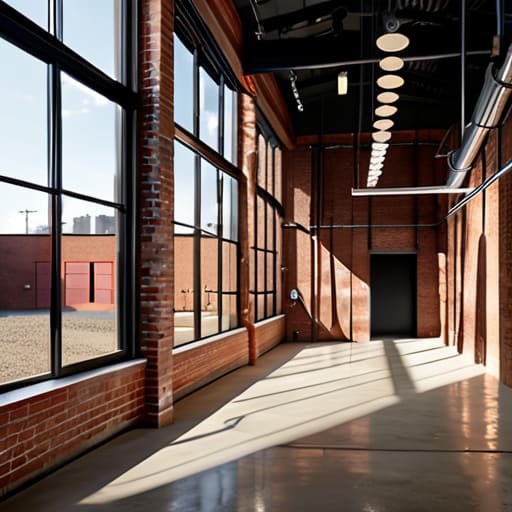
I spent forty-five minutes last Saturday night staring at a fire exit door, watching a bridesmaid try to navigate a three-foot-wide service corridor while carrying a massive floral installation that was never meant for a space that small. It’s the same story every time: someone falls in love with a Pinterest board but forgets to check the actual dimensions of the room. Most wedding blogs will tell you that your vision is the most important thing, but they won’t tell you how venue restrictions affect plans when your “dream” centerpiece blocks the only path to the kitchen or your guest list exceeds the legal capacity of the terrace. I’ve seen more weddings derailed by a lack of floor space than by a bad DJ or a mediocre caterer.
I’m not here to sell you on more silk ribbons or expensive lighting packages. My goal is to pull back the curtain on the logistics that actually keep a party from turning into a chaotic bottleneck. I’m going to walk you through the hard realities of power limits, load-in times, and those pesky licensing hours that cannot be moved. By the time we’re done, you’ll understand how to build a plan that survives the reality of the building it’s sitting in.
Table of Contents
Navigating Venue Policy Changes Without Losing Your Mind

Here is the reality of navigating venue policy changes: they rarely happen with a polite letter and a month’s notice. Usually, it’s a frantic phone call from a manager or a sudden realization that the local council has tightened the screws on noise ordinances. When the rules shift mid-stream, you can’t just panic; you have to pivot. I’ve seen planners freeze when a venue suddenly tightens its restrictions on external catering or changes its load-in windows. The trick is to stop viewing these shifts as personal insults and start seeing them as new variables in your equation.
Success here comes down to aggressive contingency planning for gatherings. If a venue suddenly limits your bar service hours or changes how vendors can access the loading bay, you need to bake those constraints into your schedule immediately. Don’t just hope it works out; run the math. If the policy change cuts your setup time by an hour, you aren’t just losing sixty minutes—you are risking a domino effect that pushes your entire dinner service into the late-night noise curfew. The goal isn’t to fight the policy, but to build a plan that survives it.
Event Capacity Limitations and the Myth of Endless Space
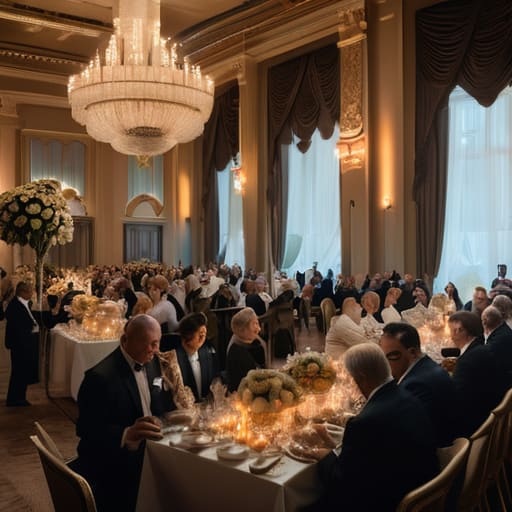
People see a beautiful ballroom or a sweeping garden and they see possibilities; I see a math problem. There is this persistent myth that if you just move a few chairs or squeeze in an extra cocktail table, you can defy the laws of physics. You can’t. Event capacity limitations aren’t just about fire safety codes—though those are the hard line you can’t cross without a visit from the authorities—they are about the breathability of the room. Once you hit that ceiling, the magic dies. The air gets heavy, the service slows to a crawl, and suddenly, your high-end catering feels like a frantic scramble because the servers can’t actually navigate the aisles.
When you’re working with a tighter footprint, you have to stop thinking about aesthetics and start thinking about flow. I’ve seen weddings where the couple spent a fortune on massive floral installations, only to realize they’d effectively blocked the primary artery to the bar. You end up adapting event decor for small spaces not just because it looks better, but because if you don’t, you’ll have a bottleneck of thirsty guests staring at a wall of hydrangeas instead of getting their drinks.
The Logistics Checklist: What Your Pinterest Board Forgot to Mention
- Respect the “Hard Stop” on your licence. I’ve seen more weddings ruined by a frantic, half-hearted dance floor shuffle at midnight than by bad food. If your licence ends at 12:00, your music ends at 12:00. Plan your “last orders” and your exit strategy for 11:30, or you’ll spend the final hour of your party arguing with a security guard instead of celebrating.
- Audit your power supply before you book the band. A florist brings in some fairy lights, no problem; but a high-end DJ, a lighting rig, and a caterer running industrial warming ovens? That’s a recipe for a tripped fuse and a very dark, very expensive room. Ask the venue exactly which circuits power the floor, and don’t let a vendor promise they can “just plug in” without checking.
- Account for the “Service Gap” in your timings. Everyone plans for the ceremony to end and the dinner to begin, but nobody plans for the thirty minutes it takes to move 120 people from a garden to a dining room while the staff frantically swaps table settings. If you don’t build in a buffer for the transition, your guests will be standing around looking hungry and annoyed before the first canapé even arrives.
- Map out the “Caterer’s Footprint.” A chef needs more than just a stove; they need a prep area, a wash-up station, and a way to get heavy trays from the kitchen to the table without colliding with your grandmother. If your floor plan is so tight that the service staff have to squeeze past guests like they’re in a corridor, your meal service will be a disaster.
- Factor in the “Flow Bottlenecks.” A venue might say they hold 150 people, but if the bar is tucked in a corner and the toilets are down a narrow hallway, you don’t actually have a 150-person party—you have a queue. Look at the physical access points. If the bar access is restricted or the entrance is a single narrow door, you need to plan your guest arrival and drink service to prevent a human logjam.
The Reality Check

At the end of the day, you can have the most expensive florist in the county, but if your floor plan ignores the fire exits or your guest list ignores the capacity limit, you aren’t planning a party—you’re planning a bottleneck. We’ve looked at the hard truths: the capacity limits that aren’t suggestions, the sudden policy shifts that can derail a budget, and the physical realities of space and power. It all comes down to this: logistics are the invisible skeleton of your event. If that skeleton is broken, the whole thing collapses, no matter how much silk and candlelight you use to hide the cracks. You have to respect the constraints of the building and the terms of the licence, or you’ll spend the entire night fighting the venue instead of enjoying the occasion.
My advice? Stop looking at the Pinterest boards for a second and start looking at the blueprints. When you stop fighting the restrictions and start building your plan around them, something interesting happens. The tension disappears. You aren’t scrambling to find more space because you already knew where the walls were, and you aren’t sweating the bar queues because you accounted for the flow. A perfectly executed event isn’t one that defies the rules; it’s one where the logistical precision is so seamless that the guests think it happened by magic. Plan for the reality, and you’ll actually get to live the moment.
Frequently Asked Questions
If the venue says they have a capacity of 200, does that actually mean 200 people can sit down for a three-course meal, or am I going to be paying for extra chairs that won't fit?
Here is the hard truth: if the venue says 200, they usually mean 200 people standing around sipping prosecco. If you want a seated, three-course meal, you’re likely looking at a much lower number. Once you add tables, service aisles for the staff, and the space needed for people to actually reach their chairs without playing bumper cars, that “200 capacity” shrinks fast. Don’t book for 200 unless you want a room full of elbows and no room for the waiters.
How much lead time do I actually need to give the venue if I decide to change the floor plan or add a late-night snack station halfway through the planning process?
If you’re thinking about moving a buffet station or swapping a seated dinner for a lounge setup, you need to tell me yesterday. Ideally, give me at least four to six weeks. Why? Because I have to check power loads for those new snack heaters, re-map the fire exits, and tell the floor staff they’re moving from service to clearing. If you tell me three days out, you aren’t “pivoting”—you’re just creating a bottleneck.
What happens to my timeline if the caterer arrives late or needs more space for their prep than we originally agreed upon in the contract?
If your caterer shows up late or starts colonising the floor space you earmarked for the dance floor, your timeline doesn’t just slip—it disintegrates. When prep space creeps into the guest area, you get bottlenecks. When they’re behind schedule, your “sunset photos” turn into “eating in the dark” photos. You can’t negotiate with a hungry crowd or a missing main course. It’s why I obsess over load-in times; a twenty-minute delay at 2:00 PM is a disaster by 8:00 PM.