I once watched a wedding reception crumble—not because the band was bad or the cake was dry, but because of a massive, thirsty bottleneck at the bar. It was 8:45 PM, we had exactly seventy-five minutes until the licence end, and two hundred guests were staring at a single, empty tray of sparkling water while the bartender struggled with a jammed soda gun. Most wedding blogs will tell you that choosing your beverages is about matching a colour palette to your linens, but they completely ignore the physics of a thirsty crowd. They don’t tell you that how soft drink options should be planned is actually a calculation of volume, speed of service, and ice displacement, not a selection of fancy labels.
I’m not here to sell you on artisanal, small-batch kombucha that costs a fortune and takes three minutes to pour. I’m here to talk about the logistics of thirst. I’m going to show you how to calculate your stock so you don’t run dry by the first dance, how to manage the flow to avoid the dreaded bar queue, and how to ensure your non-drinkers aren’t left holding an empty glass while everyone else celebrates. This is about preventing the bottleneck before it starts.
Table of Contents
Catering Drink Selection Strategies for the Twenty Minute Rush
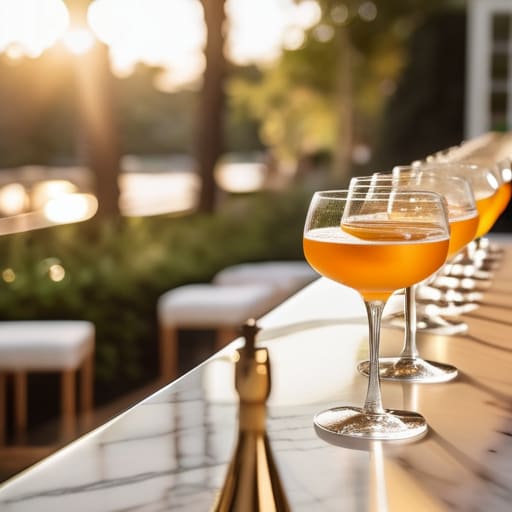
Here is the reality of the “cocktail hour” rush: you have a two-hundred-person crowd that has just finished a ceremony, they are thirsty, and they are all moving toward the bar at the exact same time. If your catering drink selection strategies rely on a bartender muddling fresh mint for every single mojito, you have already lost the battle. By the time the third person gets a drink, the fifth person is staring at their watch, and the sixth is checking their phone. You need speed. I always tell my clients to lean into pre-poured options or high-quality bottled selections for that initial burst.
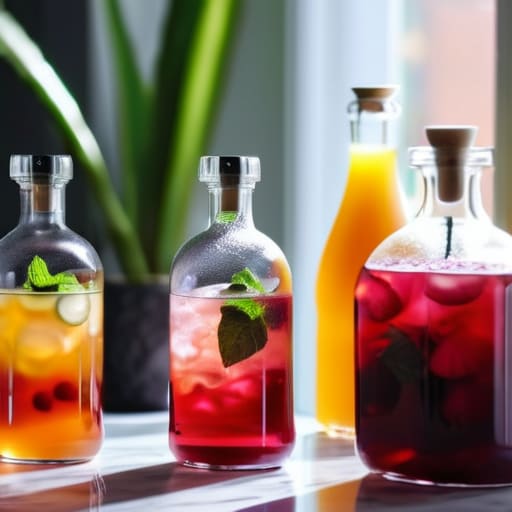
Don’t mistake “variety” for “complexity.” While non-alcoholic beverage trends might suggest elaborate mocktails with dehydrated fruit garnishes, those are a logistical nightmare during a bottleneck. Instead, focus on a curated selection of high-end sodas, sparkling waters, and perhaps one signature zero-proof option that can be poured in under ten seconds. If you can’t serve it in a single motion, it shouldn’t be your primary defense against a bottleneck that kills the vibe before dinner even starts.
Refreshment Variety for Guests vs the Reality of Ice
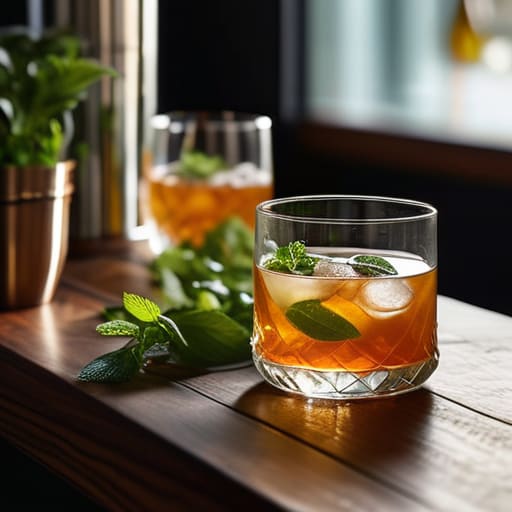
Everyone wants a curated list of artisanal sodas, elderflower presses, and local ginger beers to show they’ve put thought into their inclusive beverage offerings. On paper, a diverse spread looks sophisticated. In practice, every extra bottle you add to that menu is another variable that can break your service flow. If you have ten different types of soft drinks, you don’t just have ten choices; you have ten different labels for a server to read, ten different bottle sizes to manage, and ten different ways a guest can stand in front of the bar while they decide, effectively killing the momentum of the room.
Then there is the cold, hard physics of it all: ice. People talk about refreshment variety for guests as if it’s just about the liquid in the glass, but they forget that the liquid is useless if it’s lukewarm. I’ve seen weddings where the menu was brilliant, but the ice delivery was short by three bags. Within forty minutes, those expensive, hand-crafted sodas were just sugary, room-temperature syrups. If you’re planning the logistics, remember that ice is the silent backbone of your entire beverage plan. You can have the most trendy non-alcoholic options in the world, but without a massive, calculated surplus of ice, you’re just serving expensive soup.
Five Logistics-First Rules for Your Non-Alcoholic Lineup
- Stop treating soft drinks like an afterthought; if you only offer cola and orange juice, you’re begging for a queue of thirsty guests who have nothing to sip while they wait for their first cocktail.
- Watch the carbonation math—if you’re doing high-volume sparkling water or tonic, you need double the glassware or a massive surplus of cans, because once those bubbles die in a lukewarm glass, the guest is done.
- Plan for the “Non-Drinker Bottleneck”—if you have a large group of guests who don’t touch alcohol, they will hit the bar at the exact same time as the wedding party, so ensure your soft drink supply is physically separated from the heavy spirits to keep the flow moving.
- Don’t forget the “Temperature Buffer”—you need enough chilled stock to last through the first ninety minutes of the event, because once the initial rush hits, you won’t have the luxury of waiting for a fridge to catch up.
- Account for the “Garnish Drain”—if you’re offering fancy mocktails or infused waters, remember that every lime wedge and sprig of mint is a piece of inventory that requires prep time and storage space you probably haven’t factored into your turnaround.
The Bottom Line on Liquid Logistics
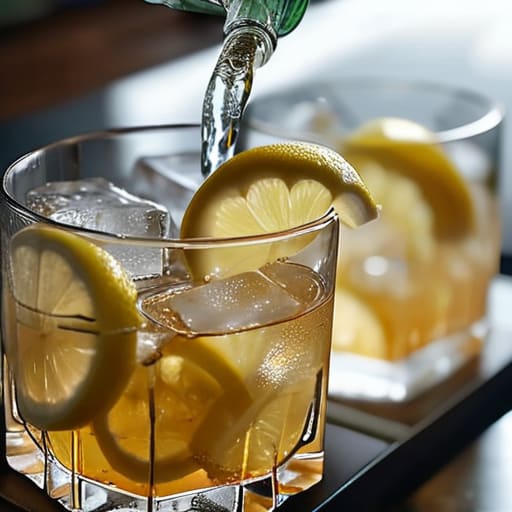
At the end of the day, planning your soft drink selection isn’t about curating a boutique soda menu to impress your Pinterest board; it’s about preventing a total breakdown in guest flow. You have to account for the math of the rush, the physical reality of ice depletion, and the fact that a guest who can’t get a simple lemonade is a guest who starts looking at their watch. If you’ve managed your quantities, prioritized speed of service over complexity, and ensured your non-alcoholic options aren’t an afterthought, you’ve already won half the battle. Remember, a well-oiled beverage station is the difference between a seamless transition and a bottleneck that kills the momentum of your entire evening.
When the lights go down and the music starts, nobody is going to remember the specific brand of sparkling elderflower you served, but they will certainly remember if they spent forty minutes standing in a stagnant queue. My job—and yours, if you’re the one steering this ship—is to make sure the logistics are so invisible that the guests think the magic just happened by accident. Plan for the chaos, budget for the ice, and respect the clock. If you get the unseen mechanics right, you create the space for the moments that actually matter. After all, an event that runs like clockwork is the best gift you can give your guests.
Frequently Asked Questions
How much extra buffer should I actually add to my soft drink order to account for the people who don't drink alcohol?
Stop thinking in percentages and start thinking in people. If you’ve got a wedding where a third of the guest list is non-drinking—kids, designated drivers, or just the sober crowd—you don’t add a “buffer”; you plan for a surge. I always tell my clients to bump the soft drink volume by 25% over the standard estimate. It’s better to have three crates of sparkling water left over than to watch a thirsty teenager stare at an empty dispenser at 9:00 PM.
If I'm running a tight timeline, is it better to have a self-service station or stick strictly to a staffed bar to avoid the chaos?
If you’re on a tight timeline, a self-service station is a trap. It looks efficient on paper, but once sixty people descend on one table at once, you don’t have a “station”—you have a bottleneck that stalls your entire schedule. Stick to a staffed bar. It’s more expensive, yes, but a professional bartender manages the flow. A self-service station turns your guests into a crowd of frustrated people standing around waiting for a lemon wedge.
What’s the realistic ratio of ice to liquid if I want to avoid a lukewarm mess halfway through the speeches?
Listen, if you’re calculating by volume, you’re already losing. Forget the math in the textbook; in a room of two hundred people, you need a one-to-one ratio of ice to liquid by weight. If you think a bag or two will cover you, you’re dreaming. You need enough ice to fill the bins and enough to keep the actual drinks frigid. If that ice disappears by the time the speeches start, you’ve failed the logistics.