If you look at a wedding blog, afternoon tea looks like a quiet, delicate affair involving lace doilies and people whispering over cucumber sandwiches. It’s a lie. In my nineteen years of managing spaces, I’ve learned that how afternoon tea events are catered is less about the aesthetic of the tiered stands and more about the unseen battle against lukewarm scones and the inevitable bottleneck at the teapot station. I once watched a high-end garden party descend into absolute chaos because the caterer hadn’t accounted for the fact that fifty people cannot physically reach a single service trolley at the same time without someone getting a hot tea poured down their back.
I’m not here to talk to you about which floral arrangements pair best with Earl Grey. I’m here to talk about the logistical reality of the service. I am going to walk you through the actual mechanics of the rollout: the timing of the sandwich prep, the power requirements for the warming cabinets, and how to manage the flow so your guests aren’t standing around empty-handed. This is the no-nonsense blueprint for making sure the service actually works, so you can focus on the guests instead of the disappearing cutlery.
Table of Contents
The Mathematics of Afternoon Tea Menu Planning
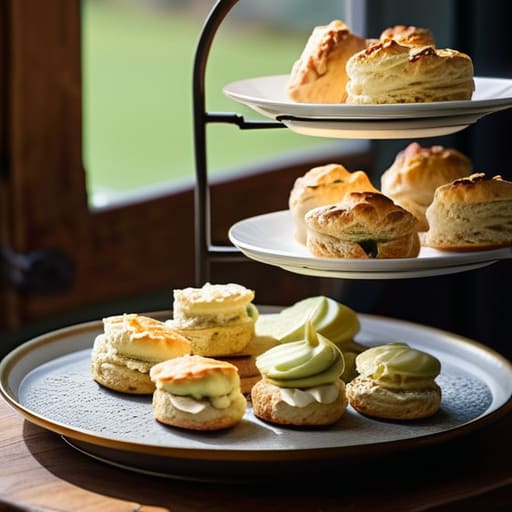
When people sit down for afternoon tea, they think they’re looking at a pretty display of sandwiches and scones. I see a math problem. Real afternoon tea menu planning isn’t about what looks good on Instagram; it’s about calculating the exact ratio of savory to sweet to ensure you don’t run out of substance before the tea service actually hits its stride. If you lean too heavily on the dainty crustless sandwiches, guests will be eyeing the exit by 3:30 PM. You have to account for the “scone variable”—that moment when the warmth of the pastry meets the temperature of the clotted cream—to ensure the timing doesn’t collapse.
Then there is the issue of finger food portion control. You can’t just eyeball a tray of smoked salmon blinis and hope for the best. If your portions are too heavy, the guests get sluggish; too light, and they start eyeing the buffet like it’s a buffet. I always tell my staff to plan for 1.5 items per person, per tier, because once the conversation starts flowing, the consumption rate spikes. It’s a delicate balance of volume and velocity that most people completely overlook until the last tray comes back empty.
Mastering High Tea Service Etiquette Under Pressure
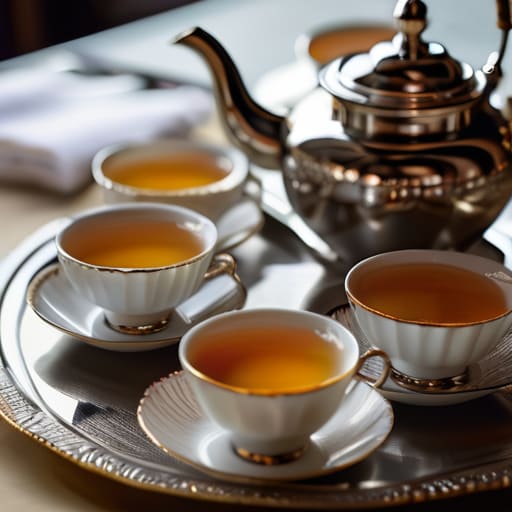
Everyone talks about the grace of a silver service, but they never mention the sheer mental gymnastics required to maintain high tea service etiquette when you’re staring down a room of eighty hungry guests and a dwindling supply of hot water. It’s easy to look poised when the room is half-empty; it’s a different beast entirely when you’re navigating a sea of elbows and half-finished conversations to replenish a tray. You aren’t just pouring tea; you are performing a delicate dance of timing and spatial awareness. If you’re too aggressive, you’re the clumsy waiter; if you’re too slow, the entire rhythm of the afternoon collapses into a series of polite, hungry stares.
The real trick is managing the flow without looking like you’re managing a flow. You have to master finger food portion control on the fly—ensuring the last guest doesn’t end up with nothing but a lonely, dry scone because the first sixty people cleared out the sandwiches. It’s about anticipating the empty space on a tiered stand before the guest even realizes they’ve finished. True elegance in service isn’t about being invisible; it’s about being precisely present exactly when the logistics demand it.
The Invisible Mechanics: 5 Ways to Prevent Afternoon Tea from Becoming a Logistical Nightmare
- Stop overestimating your floor space. Everyone talks about the linen and the silver, but nobody talks about the “service corridor.” If you don’t leave enough room for a server to navigate a tray of hot tea between a seated guest and a heavy banquet chair, you aren’t running an event; you’re running an obstacle course.
- The “Scone Temperature Clock” is your real enemy. You have a window of about ten minutes from when those scones leave the oven to when the steam stops rising. If your service flow isn’t timed to hit the table in that window, you’re just serving expensive, dry bread, and no amount of clotted cream is going to fix that.
- Plan for the “Sugar Rush Bottleneck.” When you put out a self-service station for sugar, lemon, and milk, you create a dead zone where people congregate and block the flow of staff. I’d rather have the tea poured at the table; it keeps the movement fluid and stops the room from turning into a mosh pit of people looking for a teaspoon.
- Audit your power and water before you commit to a menu. If you’re planning a high-end service that requires constant kettle boiling or warming plates, check your circuit load. There is nothing more unprofessional than the lights flickering and the tea going cold because you tried to run four industrial kettles on a single domestic-grade socket.
- Work backward from the licence end. If your event finishes at 5:00 PM, you aren’t “finishing” at 5:00 PM; you are clearing, cleaning, and resetting by 4:30 PM. If your catering schedule doesn’t account for the aggressive teardown required to get the room back to zero, you’ll be paying overtime for staff who are just staring at an empty teapot.
The Final Countdown to Service
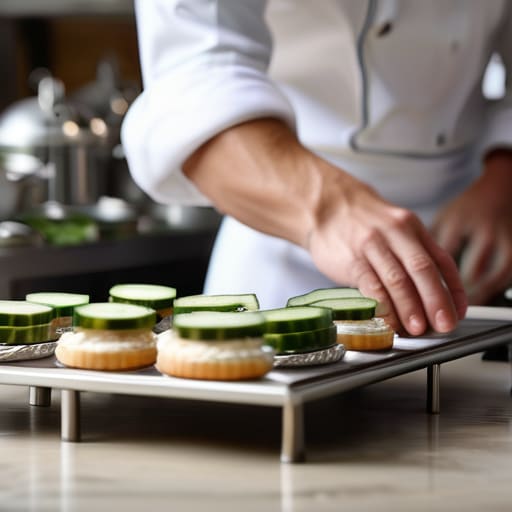
At the end of the day, catering an afternoon tea isn’t about the lace doilies or the height of the tiered stands; it’s about the invisible machinery working behind the scenes. You can have the most exquisite finger sandwiches in the county, but if your service timing is off by fifteen minutes, you’re just serving cold crusts to a room full of impatient guests. Success lies in the unseen logistics: the precise menu math that prevents waste, the strict adherence to service etiquette even when the kitchen is under fire, and the ability to manage the flow of people before the room becomes a bottleneck. If you get the timings and the temperature right, the rest of the elegance tends to take care of itself.
My advice? Stop looking at the mood boards and start looking at your service schedule. A perfect afternoon tea feels like a calm, effortless drift through a garden party, but we both know that feeling is manufactured through rigorous planning and a deep respect for the clock. When the last teapot is emptied and the licence end is still an hour away, you’ll realize that the real magic isn’t in the aesthetics—it’s in the fact that nothing went wrong. Plan for the chaos, budget for the space, and respect the timing, and you might just pull off something that looks as easy as it actually was.
Frequently Asked Questions
How do you actually manage the logistics of keeping hundreds of scones warm when the service window is so tight?
You don’t “keep” them warm; you manage a continuous, controlled burn. If you try to hold a massive batch in a warming drawer, you’ll end up serving hockey pucks by the time the third table is reached. The secret is staggered baking and staging. I tell my kitchen teams to think in waves: small, frequent batches timed to the exact minute the tea hits the table. It’s a rolling production line, not a buffet.
What happens to the flow of the room when the tea service starts lagging behind the food?
When the tea lags, the room doesn’t just slow down; it curdles. You’ll see it immediately: guests stop talking and start staring at their empty cups, or worse, they start hovering near the service station like hungry vultures. That polite, rhythmic hum of conversation turns into a restless, awkward silence. Once they get thirsty and bored, they start looking for the bar. If you don’t fix the flow, you’re not managing a tea service—you’re managing a crowd of agitated people waiting for the licence to end.
How much space do you really need to set up a proper service station without tripping over the guests?
Forget the floor plan that looks good on a tablet; you need real, physical clearance. For a professional service station, I budget a minimum of three metres of “working depth” behind the line. If you squeeze your staff into a narrow corridor, they’ll be dodging elbows and apologising to guests every ten seconds. You need room to pivot, room for the hot tea urns, and enough space so the caterer isn’t tripping over a bridesmaid’s train.