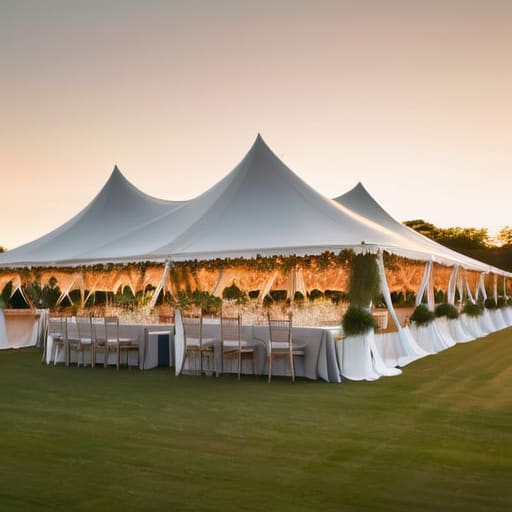
I remember a wedding three years ago where the marquee provider’s truck got wedged in a narrow access lane, effectively blocking the caterers from getting the ovens inside. As the sun started to dip and the guests began eyeing the empty buffet tables, the couple realized their “perfect day” was actually a logistical nightmare unfolding in real-time. They had spent thousands on silk linings and bespoke menus, but they hadn’t a clue about the fine print in a complete guide to event insurance. They thought insurance was just a checkbox for “what if it rains,” when in reality, it’s the only thing standing between a minor hiccup and a total financial meltdown.
I’m not here to sell you a policy or give you a glossy brochure full of empty promises. What I’m going to give you is the view from the floor—the perspective of someone who has seen exactly where the money leaks out when things go sideways. This is a no-nonsense breakdown of what you actually need to cover, from liability mishaps to vendor failures, so you can stop worrying about the “what ifs” and focus on the timings.
Table of Contents
Protecting Event Investments When the Logistics Fail

When I talk about protecting event investments, I’m not talking about the cost of the silk napkins or the premium champagne. I’m talking about the high-stakes reality of the things you can’t control. You can spend eighteen months perfecting a seating chart, but it won’t matter if a sudden storm turns your outdoor terrace into a lake or if a vendor’s van breaks down on the motorway three hours before the first course. This is where weather cancellation insurance stops being a “nice to have” and becomes the only thing standing between you and a massive financial hole.
Logistics are a series of dominoes; if one falls, they all go. If your marquee company pulls out or a power surge fries the DJ’s equipment, you aren’t just losing a service—you’re losing the entire momentum of the evening. Effective event risk management strategies require you to look past the aesthetic and focus on the failure points. You need to ensure your coverage accounts for the actual cost of replacement, not just the refund of a deposit. Because in my experience, a refund doesn’t pay for the emergency generator you have to rent at midnight.
Weather Cancellation Insurance and the Unmovable Deadline
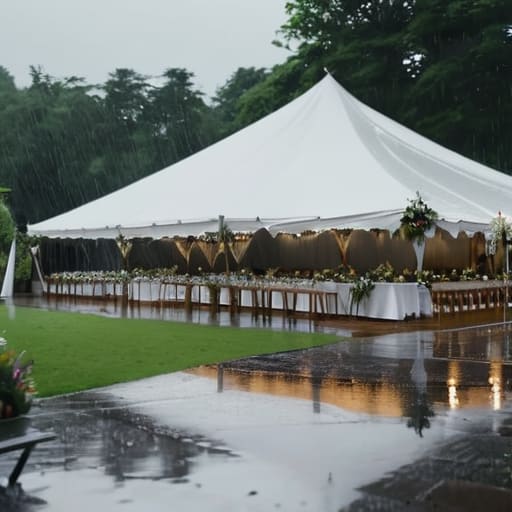
Here is the reality of the outdoor marquee: the sky doesn’t care about your Pinterest board. I’ve stood in the middle of a sudden downpour watching a couple’s “dream garden ceremony” turn into a frantic scramble for dry towels and a ruined cake. This is where weather cancellation insurance stops being a line item on a spreadsheet and starts being the only thing saving your bank account. You aren’t just paying to cover the rain; you are covering the non-refundable deposits for the florist, the band, and the marquee hire that is now sitting in a puddle.
When you are looking at different event cancellation coverage types, don’t just tick the box and move on. You need to look at the specific triggers. Does it cover a thunderstorm that makes the tent unsafe, or just a light drizzle that makes the guests grumpy? Most importantly, remember that the licence end is an unmovable deadline. If the weather pushes your dinner back by two hours, you don’t get two extra hours of music; you just get a hungry crowd and a very expensive, very quiet exit. Planning for the worst isn’t being a pessimist; it’s just good logistics.
Five Things Your Insurance Broker Won’t Tell You Until It’s Too Late
- Stop treating insurance like a checkbox for the wedding planner. You aren’t just insuring a “party”; you are insuring a massive, interconnected web of third-party contracts. If your florist goes bust or your band cancels forty-eight hours before the first toast, a generic policy might leave you holding the bill for the empty space they were supposed to fill.
- Check your “Public Liability” against the actual floor plan. I’ve seen venues where a heavy buffet table or a poorly placed speaker setup becomes a trip hazard. If you’re hiring external contractors—the lighting crew, the photo booth guys, the decorators—make sure your policy covers the fallout when their gear causes a disaster in your space.
- Look closely at the “Cancellation for Any Reason” clause. Most people think they’re covered if a global pandemic hits or a hurricane rolls in, but they aren’t covered if the bride decides she’s too stressed to walk down the aisle, or if the groom’s taxi breaks down. If you want true peace of mind, you pay for the specific right to change your mind.
- Don’t forget the “Equipment and Rental” gap. You might have insurance for the venue, but if you’ve spent five grand on bespoke furniture rentals and they arrive smashed or don’t show up at all, that’s a logistics nightmare that can sink your budget. Ensure your coverage extends to the physical assets you’ve paid for but don’t actually own.
- Audit your “Force Majeure” clauses against your insurance policy. A contract might say the venue isn’t liable if a storm hits, but your insurance might say they won’t pay out unless the storm was “unforeseeable.” If those two documents aren’t speaking the same language, you’re standing in the rain with an empty wallet.
The Final Checklist Before the Doors Open

At the end of the day, insurance isn’t some bureaucratic box you tick to satisfy a contract; it is the only thing standing between a minor hiccup and a total financial meltdown. We’ve covered the big stuff—the weather turning sideways, the caterer’s van breaking down on a narrow lane, and the liability of a guest tripping over a poorly placed speaker cable. You need to ensure your policy covers the actual logistics of your specific venue, not just a generic template that leaves you hanging when the power fails or the marquee collapses. Don’t let the aesthetic details distract you from the fact that protecting your bottom line is what allows you to actually enjoy the event once the first guest walks through the door.
I’ve seen enough weddings go sideways to know that perfection is an illusion, but being unprepared is a choice. You can spend months obsessing over the exact shade of linen or the font on the place cards, but those things won’t save you when the unexpected hits. Plan for the chaos, budget for the contingencies, and get the right coverage in place so that when the “unforeseen” inevitably happens, it’s just a line item in a spreadsheet rather than a catastrophic failure. A well-insured event is a controlled event, and in my experience, control is the greatest luxury you can buy.
Frequently Asked Questions
If my venue already has public liability insurance, why on earth am I paying for a separate policy for my specific event?
Look, I get it. You see the venue’s insurance certificate and think you’re covered. You aren’t. My public liability covers my walls, my floor, and my staff. It doesn’t cover your specific DJ’s equipment catching fire, or your decorator tripping over a cable and suing you. Think of it this way: my insurance protects my building; your event insurance protects your specific chaos. Don’t let a single mishap turn your big day into my legal nightmare.
Does insurance actually cover the cost of the "lost" guest experience, or am I just getting my deposit back while the day is ruined?
Here is the hard truth: insurance rarely covers the “feeling” of a ruined day. It’s designed to patch the holes in your bank account, not the holes in your heart. If the marquee collapses, the policy pays for the replacement tent and the wasted catering bill, but it won’t pay for the look on the bride’s face. It covers the logistics of the disaster, not the heartbreak of the lost moment. Plan for the money; prepare for the mess.
At what point in the planning timeline do I actually pull the trigger on a policy so I’m not paying for coverage I’ve already outgrown?
Don’t buy it the moment you book the venue, but don’t wait until the month before either. You want that policy active the second the big, non-refundable deposits start flying—the caterer, the marquee, the band. If you wait until the final countdown, you’ve already exposed your biggest capital outlays to risk. Think of it like a timeline: secure the coverage when the financial stakes actually move from “idea” to “contractual obligation.”