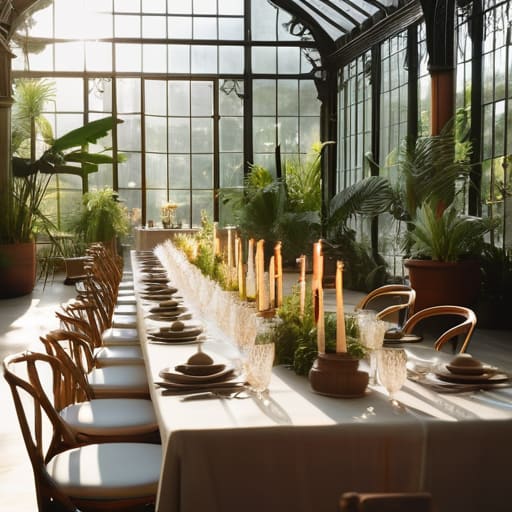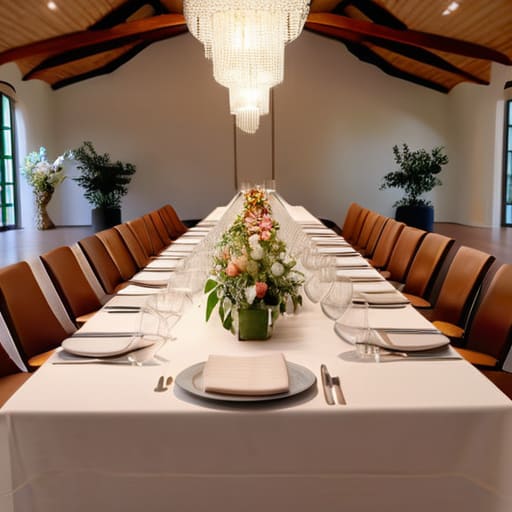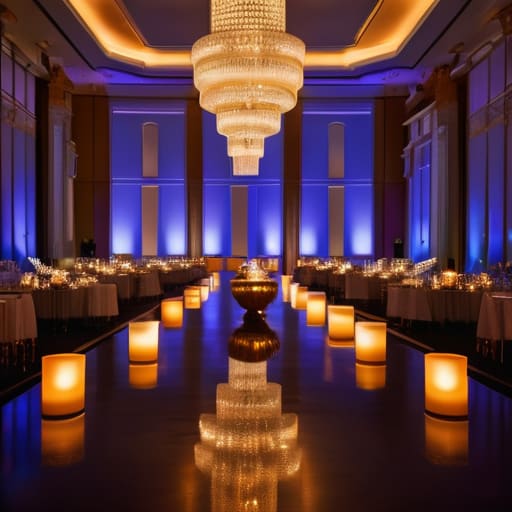
If you spend any time on Pinterest, you’ll be convinced that a “complete guide to event lighting” means buying three thousand fairy lights and a disco ball that costs more than your first car. Everyone talks about the ambience and the “dreamy glow,” but nobody mentions the absolute chaos that ensues when your expensive uplighting setup trips a breaker halfway through the first dance. I’ve spent eighteen years watching beautiful setups turn into dark, silent rooms because someone forgot that lights need more than just a pretty aesthetic—they need dedicated circuits and a clear path to the power source.
I’m not here to sell you on a mood board or a color palette that looks great in a static photograph but fails the moment the sun goes down. This is about the reality of the load, the placement of the cables so your guests don’t break an ankle, and how to manage your power budget without dimming the actual fun. I’m going to give you the unfiltered logistics of lighting an event, from the technical requirements you’ll actually need to the common-sense mistakes that usually cost me a headache at 11:00 PM.
Table of Contents
Mastering Ambient Lighting Design Principles and Power Loads
Everyone gets caught up in the “vibe,” but vibe is just a byproduct of physics. When you start looking at ambient lighting design principles, stop thinking about how pretty a wash of gold looks on a silk tablecloth and start thinking about the circuit breaker. I’ve seen more weddings derailed by a blown fuse during the first dance than by a bad florist. If you’re planning on using heavy-duty stage lighting equipment setup for a band or a keynote speaker, you cannot simply plug them into the same strip as the coffee urns. You need to map your power loads before the first bulb is even screwed in, or you’ll be managing a dark room and a very angry caterer at 8:00 PM.
Once the power is sorted, then you can talk about the atmosphere. Most people think uplighting techniques for weddings are just about slapping a LED par can against a wall and calling it a day. It’s not. It’s about layering. You want enough light so guests can actually find their forks, but not so much that you kill the intimacy. It’s a delicate balance of intensity and placement that keeps the room from feeling like a sterile hospital corridor or a pitch-black cave.
The Logistics of Stage Lighting Equipment Setup
Everyone talks about the “wow factor” of a stage, but nobody talks about the three hours of heavy lifting and cable management required to get there. When you’re planning your stage lighting equipment setup, you have to stop looking at the mood board and start looking at the floor plan. I’ve seen more events derailed by a poorly placed truss or a trip hazard than by a bad color palette. You need to account for the physical footprint of the stands and, more importantly, the clearance required for your technicians to actually move around the gear without knocking over a centerpiece or a tray of champagne.
Then there is the reality of the signal chain. If you’re moving beyond basic plug-and-play setups and into professional lighting controller basics, you aren’t just managing lights; you’re managing data and power distribution. I once had a wedding where the band’s subwoofers were plugged into the same circuit as the lighting rig. The moment the bass dropped, the lights flickered like a horror movie. Always ensure your lighting power is isolated from the audio, and for heaven’s sake, tape down your cables—the licence ends at midnight, and nobody wants a lawsuit before the final dance.
Five Things Your Lighting Designer Won’t Tell You (But Your Venue Manager Will)
- Stop planning your lighting in a vacuum. If you’ve picked out these gorgeous, dimmable LED uplights but haven’t checked if your venue’s circuit breaker can handle them alongside the caterer’s coffee machines and the DJ’s subwoofers, you aren’t planning an event—you’re planning a blackout.
- The “Golden Hour” is a lie once you’re indoors. Don’t rely on those Pinterest photos of sunset glow; once the doors close and the sun drops, your ambient light levels will plummet faster than a guest’s mood after a late dinner. You need a lighting plan that accounts for the transition from natural light to artificial, or you’ll be left staring at a room full of shadows.
- Mind the trip hazards. A beautiful wash of light is worthless if your guests are stumbling over a mess of black cables snaking across the dance floor. If your lighting plan doesn’t include cable ramps or dedicated, taped-down runs, you’re just setting up a lawsuit disguised as an aesthetic choice.
- Test your dimmers before the first guest arrives. There is nothing quite as soul-crushing as a “moody” lighting setup that actually just means half your lights are flickering or stuck at 100% brightness because the dimmer pack is struggling with the load. You need a full dry run of every preset while the room is empty.
- Think about the photographers, not just the mood. You can create the most atmospheric, low-light lounge vibe imaginable, but if it’s so dark that the photographer can’t see the bride’s face without a flash that ruins the whole look, you’ve failed. Balance your “vibe” with enough functional light so the memories don’t come out looking like grainy CCTV footage.
The Final Check Before the Doors Open
At the end of the day, lighting isn’t just about picking a colour palette that matches the bridesmaids’ dresses; it is about ensuring your power supply doesn’t trip the moment the DJ drops the first track. You have to balance the aesthetic dream with the cold, hard reality of cable runs, dedicated circuits, and the physical space required for a technician to actually work without tripping over a guest. If you have accounted for your ambient layers, planned your stage rig with enough clearance, and—most importantly—factored in the load requirements for every single bulb and moving head, you have already beaten half the people in this industry. Remember, a beautiful lighting design is useless if it’s sitting in a flight case because you forgot to check the breaker box.
When the guests finally walk through those doors and the room transforms, they won’t see the hours you spent obsessing over lumens or the frantic way you mapped out the cable paths to keep them out of sight. They will just feel the atmosphere. They will think the magic happened by accident, but you and I both know that true elegance is actually just invisible logistics. Plan for the worst, test every connection twice, and respect the limits of your venue’s infrastructure. If you do that, the lights will do their job, the mood will hold, and you might actually get to sit down and enjoy a drink before the licence ends.
Frequently Asked Questions
How do I figure out if my venue’s existing power supply can actually handle a professional lighting rig without tripping a breaker mid-first dance?
Stop guessing and start counting. You need to ask your venue manager for a breakdown of their circuit distribution—not just the total amperage, but how many dedicated circuits they have and what’s already drawing from them. If the catering team is plugging industrial coffee urns into the same line your DJ is using for his moving heads, you’re going to be dancing in the dark. Map your total wattage against their available load, leaving a twenty-percent buffer for the unexpected.
What’s the realistic turnaround time needed to get lighting installed and tested before the doors open to guests?
If you’re asking for a “buffer,” you’re already behind. For a standard setup, you need at least three hours for rigging, cabling, and the actual install, plus another ninety minutes for a proper light plot test and troubleshooting. If you’re running a complex show with moving heads, double it. I always aim to have the rig fully tested and the house lights dimmed two hours before doors. If you’re testing while guests are arriving, you’ve already lost.
How much extra space do I actually need to budget for the lighting technicians and their equipment so they aren't tripping over the catering staff?
If you’re squeezing your floor plan to fit an extra table, you’re making a mistake. I’ve seen too many weddings turn into a contact sport because the lighting tech is fighting a waiter for the same three feet of floor space. Budget at least two metres of “dead zone” behind the stage or along the perimeter for flight cases, cable runs, and the tech’s workspace. If they can’t move without tripping a server, your logistics have already failed.