I’ve spent eighteen years watching people fall in love with a Pinterest board, only to realize three hours before the reception that the “dream venue” has the electrical capacity of a toaster and a service entrance narrower than a broom cupboard. Most people looking for a complete guide to wedding venues are being sold a fantasy of fairy lights and silk linens, but they aren’t being told about the logistical nightmares hiding behind the ivy. I’ve seen a thousand weddings look perfect in a photograph, only to watch the entire evening unravel because nobody checked if the caterer had enough room to actually plate the food without bumping into the bride’s grandmother.
I’m not here to talk to you about color palettes or whether peonies are in season; I’m here to talk about the things that actually make or break your day. Consider this your reality check. I’m going to walk you through the unglamorous, essential mechanics—from power loads and service corridors to the merciless countdown toward your license end. If you want the truth about how to pick a space that actually functions under pressure, you’re in the right place.
Table of Contents
The Real Math Behind Venue Rental Costs and Fees

When you look at a venue’s pricing sheet, you aren’t looking at the final number; you’re looking at a starting point for a negotiation you haven’t had yet. Most people see a flat fee and think they’re set, but that’s where the “hidden” math starts to bite. You need to look past the base rate and interrogate the venue rental costs and fees that actually move the needle. I’ve seen couples get blindsided by “service charges” that act like a second tax, or “corkage fees” that turn a budget-friendly DIY bar into a financial disaster. If the contract doesn’t explicitly state what is included in the room hire, you’re essentially signing a blank cheque for every fork and napkin used.
Then there’s the trap of the all-inclusive wedding packages. On paper, they look like a lifesaver, but they often come with a “convenience premium” that covers the venue’s lack of flexibility. You might be paying for a premium salmon dish that half your guests won’t eat, simply because the package won’t let you swap it for a more cost-effective option. Before you sign, ask yourself: am I paying for what I actually need, or am I paying for the luxury of not having to think? Always do the math on the per-head cost after adding the mandatory service fees, or you’ll be staring at a budget hole by the time the cake is cut.
Wedding Venue Capacity Planning Avoiding the Bottleneck
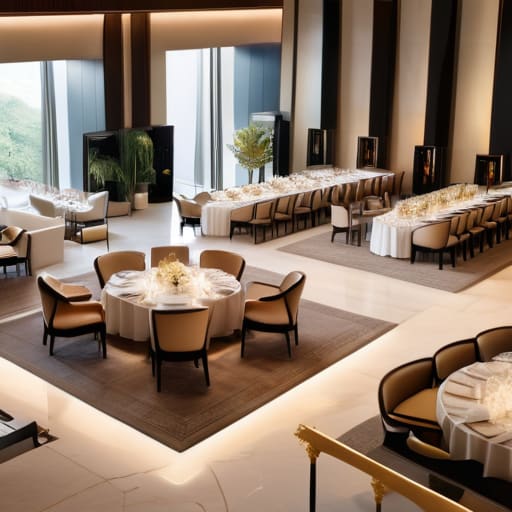
Everyone looks at a floor plan and sees a beautiful layout for tables and chairs. I look at a floor plan and see a potential human traffic jam. When you’re doing your wedding venue capacity planning, you can’t just count heads; you have to account for the “dead space” that guests inevitably occupy. It’s the awkward gap between the bar and the buffet, or the way a crowd congregates near the entrance during the cocktail hour. If you squeeze 150 people into a room rated for 150, it won’t feel “intimate”—it will feel like a crowded tube carriage, and your guests will start looking for the exit before the first course is even served.
This is where the choice between outdoor vs indoor wedding locations gets tricky. An outdoor space might look infinite in a brochure, but once you add a marquee, a dance floor, and a service station for the staff, that “limitless” lawn shrinks faster than a cheap suit in a hot wash. During your wedding venue site visit questions, don’t just ask about the max capacity; ask about the flow. Ask where people will stand when they aren’t sitting, and where the caterers are going to stash the empty crates without tripping your grandmother.
The Logistics Checklist: Five Things the Brochure Won't Tell You
- Check the power supply before you book the band. If you’ve got a high-end lighting rig, a professional DJ, and a caterer running warming cabinets, you’re going to trip a breaker mid-first-dance if that venue is running on an outdated circuit. Ask exactly how many dedicated sockets are in the main room and where they are.
- Inspect the “flow” between the ceremony and the drinks reception. I’ve seen a hundred weddings stall because the guests were funneled through a single narrow corridor, creating a human traffic jam that kills the mood. If people can’t move, they can’t drink; if they can’t drink, they start getting restless.
- Audit the service access. Your caterer doesn’t care about the view from the terrace; they care about how many meters they have to carry hot plates through a crowded lobby to get to the table. If the service route is a labyrinth, your food is going to arrive lukewarm, no matter how much you paid the chef.
- Understand the hard stop of the license end. You cannot negotiate with the local council or the law. If your license ends at midnight, the music doesn’t just “fade out”—it stops. Plan your timings backwards from that moment, not forwards from the ceremony, or you’ll find yourself trying to cram a cake cutting into the final ten minutes of a legal event.
- Look at the bathrooms through the lens of a hundred guests. It’s not about the marble tiling; it’s about the ratio of toilets to people and the proximity to the bar. If your guests are spending twenty minutes of every hour queuing for the loo, they aren’t celebrating—they’re waiting in line.
The Final Walkthrough
Look, if you take nothing else from this, remember that a venue is more than just a backdrop for your Pinterest board. You’ve looked at the costs, you’ve crunched the numbers on capacity, and you’ve hopefully realized that a room that looks stunning in a brochure can become a nightmare if the service corridor is too narrow or the power sockets are non-existent. Don’t let the aesthetic distract you from the mechanical reality of the day. Check the access routes, confirm the licence end time, and make sure the layout actually allows for a drink to reach your guests without a twenty-minute queue forming. When you prioritize the logistics of movement and flow, you aren’t being a killjoy; you are ensuring the party actually happens.
At the end of the day, once the lights go down and the last guest has cleared the doors, no one is going to be talking about whether the napkins matched the bridesmaid dresses perfectly. They are going to remember if they were hungry, if they could hear the speeches, and if they had a seamless time from the first toast to the final dance. My job is to manage the chaos so you don’t have to, but your job is to choose a space that actually works under pressure. Build your day on a foundation of solid planning, and I promise you, the magic will take care of itself.
Frequently Asked Questions
When calculating the budget, how much of a buffer should I actually set aside for those "hidden" service charges and staffing costs that venues rarely lead with?
Listen, if you’re budgeting based on the quote on page one, you’re already behind. I tell every couple I deal with: add a 15% “sanity buffer” immediately. That’s not for extra champagne; that’s for the service charge that magically appears at the bottom, the overtime if the speeches run long, and the inevitable cost of extra staff when your guest list creeps up. If you don’t account for the hands moving the plates, the math won’t work.
If my guest list is right on the edge of the venue's capacity, how do I know if the space will actually feel comfortable or just become a congested bottleneck?
Don’t trust the brochure’s capacity number; that’s usually the fire marshal’s limit, not a comfort level. If you’re right on the edge, you need to look at the “dead space.” A room with 100 people and massive pillars feels different than 100 people in a tight square. Check the flow: if the bar is tucked in a corner and the buffet is at the opposite end, your guests will spend the whole night shoulder-to-shoulder in a human traffic jam.
How do I figure out if a venue's layout actually works for the flow of a wedding, rather than just looking good in the promotional photos?
Stop looking at the Pinterest-perfect shots and start asking about the “dead zones.” When you’re on-site, walk the path from the ceremony to the bar. Is there a narrow corridor that’ll turn a hundred people into a human traffic jam? Check the distance between the tables and the service entrance. If your guests are tripping over servers, or if the bar is tucked in a corner where nobody can reach it, the layout is a failure.