
I’ve spent eighteen years watching people pour thousands of pounds into silk ribbons and hand-lettered signage, only to have the entire afternoon collapse because the photographer didn’t account for the sun’s position or the florist blocked the fire exit. If you search for a complete guide to wedding suppliers, you’ll mostly find glossy brochures and influencers selling you a dream of effortless perfection. But after nine hundred weddings, I can tell you that perfection isn’t found in a color palette; it’s found in the unseen mechanics of the people you hire. I’ve seen a beautiful marquee wedding turn into a muddy disaster simply because the marquee supplier forgot to check the ground load, and I’ve seen a high-end caterer fail because they didn’t realize the venue’s power sockets were positioned ten meters too far from the prep station.
I’m not here to talk about flower shades or napkin folds. My goal is to give you the logistical truth about who you actually need to book and, more importantly, what questions you should be asking them before the deposit leaves your account. This isn’t a guide to making things look pretty; it is a roadmap for ensuring your wedding actually functions. We are going to look at the suppliers through the lens of timing, access, and reliability, because at the end of the day, a wedding is just a complex logistics problem wearing a very expensive outfit.
Table of Contents
The Wedding Vendor Checklist for Real World Logistics
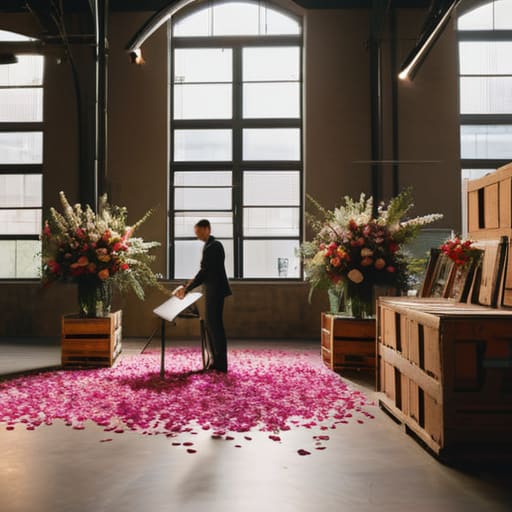
Most people approach a wedding vendor checklist like a shopping list for a dream life, ticking off “florist” and “photographer” as if they were picking up groceries. That’s your first mistake. If you want to avoid a mid-reception meltdown, your checklist needs to function more like a site inspection report. When you are hiring wedding professionals, don’t just ask for their portfolio; ask them about their load-in requirements. I have seen more than one beautiful setup collapse because the florist didn’t realize the venue’s service entrance was a narrow flight of stairs, or the DJ arrived only to find the power socket is on the opposite side of the room.
You also need to look past the aesthetics and dive straight into the wedding vendor contract terms. I don’t care how much I like their Instagram feed if the fine print doesn’t account for a sudden rain delay or a strict licence end time. You need to know exactly who is responsible for clearing the debris after the party, who owns the power cables snaking across the dancefloor, and what happens if the caterer arrives thirty minutes late. Logistics don’t care about your mood board, and neither should your contract.
Strategic Wedding Budget Allocation for Invisible Essentials

Most people treat their wedding budget like a shopping list for aesthetics, pouring sixty percent of their funds into the things that look good in a static photograph. They pick the silk linens and the bespoke signage, only to realize halfway through the planning process that they’ve left nothing for the heavy lifters. Real wedding budget allocation isn’t about the pretty stuff; it’s about building a contingency for the things you can’t see until they break. I’ve seen countless weddings stall because a couple spent their last penny on premium petals but couldn’t afford a reliable technician to manage the lighting or a backup generator for the band.
When you are hiring wedding professionals, you need to stop looking at the quote as a single number and start looking at it as a service guarantee. A cheap DJ might look like a bargain on paper, but if their contract doesn’t account for load-in times or technical redundancies, they are a liability, not an asset. You aren’t just paying for music; you are paying for the peace of mind that the sound won’t cut out during the first dance. Budget for the friction, not just the finish.
Five Ways to Spot a Supplier Who Actually Understands a Floor Plan
- Ask the caterer about their “load-in” process, not just their menu. If they can’t tell you how they handle access, where they park, and how they manage waste without blocking the fire exit, they aren’t thinking about the venue—they’re just thinking about the food.
- Check your florist’s “exit strategy.” It’s easy to make a room look stunning at 2:00 PM, but if they don’t have a plan to clear the ceremony space and reset the dining tables by 4:30 PM, you’ll be paying for extra staff hours just to move petals out of the way.
- When booking a DJ or band, don’t just ask about their playlist; ask about their power requirements and noise mitigation. There is nothing quite like a professional sound system tripping a circuit breaker ten minutes into the first dance because no one checked the wattage.
- Vet your photographer for “flow management” rather than just their portfolio. You want the person who knows how to move a crowd of eighty hungry guests toward the buffet without causing a bottleneck at the doorway, not just the person who takes pretty pictures of the cake.
- Demand a “contingency” conversation with every outdoor-reliant supplier. If the marquee company or the flower arranger doesn’t have a Plan B for a sudden downpour that doesn’t involve everyone standing under a single umbrella, you’ve hired a stylist, not a professional.
The Bottom Line

At the end of the day, a successful wedding isn’t built on a Pinterest board; it’s built on a foundation of reliable vendors who understand that timing is everything. You can spend your entire budget on the most expensive florist in the county, but if your photographer doesn’t arrive until twenty minutes after the ceremony has finished, or your caterer can’t find the service entrance, all that aesthetic magic evaporates. Remember to prioritize suppliers who talk to you about access, power requirements, and load-in schedules rather than just color palettes. When you vet your team, you aren’t just buying a service; you are hiring people to help you solve the inevitable logistical puzzles that arise when a hundred people decide they are thirsty at exactly the same moment.
Look, I know the industry wants you to believe that weddings are about the “magic” of the moment. But after nine hundred weddings, I can tell you that the real magic happens when the logistics are so well-handled that you don’t even notice them. When the transitions are seamless, the food arrives hot, and the music starts exactly when the licence says it should, you actually get to be a guest at your own wedding. Stop obsessing over the minor details that won’t show up in the photos and start building a team that can manage the reality of the room. Do the hard work now, so you can actually enjoy the party later.
Frequently Asked Questions
How do I figure out if a supplier's "hidden costs"—like delivery fees, power requirements, or setup times—are going to blow my budget or my timeline?
Stop looking at the quote total and start looking at the fine print. When a supplier sends a PDF, I want to see the “Arrival to Departure” window. If they say they need four hours for setup but your venue only gives them a two-hour turnaround between the ceremony and the meal, you’ve already lost. Ask them straight: “Does this price include load-in, power cables, and the cost of their team’s travel?” If they hem and haw, they’re planning to invoice you for the extras later.
What’s the best way to vet a vendor to ensure they actually understand the physical constraints of my venue, rather than just showing me pretty pictures?
Stop asking them for their portfolio; that’s just a highlight reel of their best lighting. Start asking them about the floor plan. Ask a florist how they plan to navigate a narrow service corridor with five-foot arrangements, or ask a DJ how they handle a venue with limited power circuits. If they don’t ask you for a load-in schedule or a site map, they aren’t thinking about your wedding—they’re just thinking about their Instagram feed.
If I have to choose between a high-end stylist and a reliable logistics-focused vendor, how do I decide which one is more critical for a smooth event?
Look, I get it. The mood boards are seductive. But here’s the truth from someone who’s stood in the wings at 11:00 PM: a stylist makes the photos look expensive, but a logistics vendor makes the night actually happen. If the stylist is great but the vendor forgets the extra power cables for the band, you’re sitting in a dark room with beautiful flowers. Choose the person who solves problems before you even know they exist.