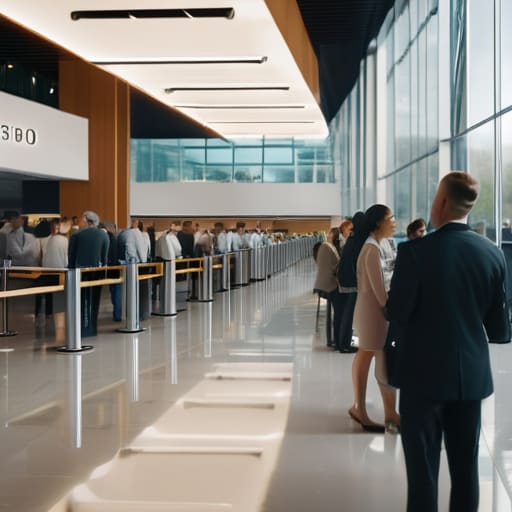
I once watched a high-end corporate gala fall apart in exactly twelve minutes. It wasn’t because the catering was late or the lighting was off; it was because they had spent forty thousand pounds on floral installations but hadn’t given a single thought to how registration and check in work. I stood by the heavy oak doors, watching a line of a hundred frustrated guests snake out into the rain, clutching cocktail attire and looking at their watches like they were waiting for a bus that was never coming. People think the “event” starts when the first glass is raised, but if your entry process is a bottleneck, you’ve already lost the room before the first toast.
I’m not here to sell you on fancy iPad stands or expensive software that promises to “revolutionize the guest experience.” I’m here to talk about the unsexy mechanics that actually keep a schedule from bleeding out. I’m going to show you how to manage the flow, prevent the inevitable door-side bottleneck, and ensure your guests actually make it to their seats before the licence end approaches. This is about the logistics of the first hour, stripped of the marketing fluff.
Table of Contents
Digital Registration Workflows Building the Unseen Foundation
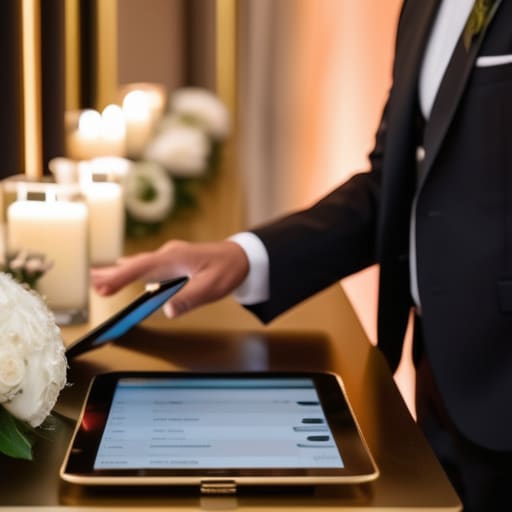
Everyone wants to talk about the lighting or the menu, but if your data is a mess, your evening is dead on arrival. I’ve seen weddings where the bride is ready to walk down the aisle, but the guest list is a crumpled piece of paper and a prayer. This is where digital registration workflows actually earn their keep. It isn’t about being “tech-savvy”; it’s about ensuring that when a guest walks through those doors, their name, their dietary requirements, and their table number exist in a system that doesn’t crash when fifty people arrive at once.
If you are still relying on manual spreadsheets and a highlighter, you aren’t managing an event; you’re managing a bottleneck. Implementing automated check-in systems isn’t a luxury for high-end corporate galas; it is the only way to prevent that awkward, stagnant queue that forms right when the first round of drinks should be hitting the tables. When you get the onboarding guest data management right, the technology disappears. The goal is to make the process so invisible that the guests don’t even realize they’ve been “processed”—they just realize they’ve been welcomed.
Onboarding Guest Data Management Without the Friction
The problem with most guest lists isn’t the names; it’s the messy, fragmented data that arrives forty-eight hours before the doors open. You end up with three different spreadsheets, a handful of dietary requirements buried in an email thread, and a VIP list that someone forgot to highlight. Onboarding guest data management shouldn’t feel like an archaeological dig. If your data isn’t clean before the first guest even pulls into the car park, you aren’t managing an event; you’re just performing damage control in real-time.
To actually achieve any level of front desk operational efficiency, you have to stop treating data entry as a secondary task. It is the engine room. When you integrate your guest information directly into automated check-in systems, you eliminate that awkward moment where a staff member has to squint at a tablet, apologetically ask for a name, and then hunt through a digital haystack for a seating assignment. It’s about ensuring that when a guest arrives, the system already knows who they are, where they sit, and—crucially—that they are allergic to shellfish. That is how you prevent the friction that turns a smooth arrival into a bottleneck.
The Friction Points: Five Ways to Stop Your Entrance Becoming a Bottleneck
- Stop treating the registration desk like a concierge service. If your staff are spending five minutes explaining the venue layout or the cocktail menu to every person in line, you haven’t built a check-in process; you’ve built a queue. Keep the data entry fast and save the hospitality for the bar.
- The ‘One-Scanner’ Fallacy. I’ve seen planners think one iPad and one enthusiastic volunteer can handle two hundred people arriving at once. You cannot. If your guest list is over fifty, you need multiple touchpoints. If you don’t, you’ll have a crowd of hungry, slightly confused people staring at your staff with increasing hostility.
- Plan for the ‘Special Requirement’ Variable. Every event has the person with the dietary restriction, the guest who isn’t on the list, and the VIP who refuses to stand in a line. If your registration process doesn’t have a “fast-track” or a “problem-solving” station tucked to the side, those three people will stall your entire flow.
- Hardware is a Logistics Problem, Not a Tech One. I don’t care how fancy your registration software is; if the venue’s Wi-Fi drops or a battery dies ten minutes before doors open, your “seamless” digital workflow is dead in the water. Always have a hard-copy backup and a physical power source within reach.
- The Twelve-Minute Rule. Work backwards from your first scheduled activity. If the speeches start at 7:00 PM, your registration needs to be effectively “cleared” by 6:30 PM. If you’re still scanning badges at 6:45, you’re already behind, and you’ll spend the rest of the night playing catch-up with the catering timings.
The Final Countdown to Doors Open
At the end of the day, registration isn’t a standalone task; it is the first domino in a very long sequence. We’ve talked about the digital workflows that keep your data from turning into a spreadsheet nightmare and the importance of managing guest information without making people feel like they’re being processed through customs. If your digital foundation is shaky, your physical arrival will be a disaster. You can have the most expensive floral arrangements in the world, but if your guests are stuck in a stagnant queue for forty minutes because your check-in process is a bottleneck, they aren’t thinking about the centerpiece—they’re thinking about how much they want to go home. Logistics is the invisible architecture that allows the rest of your event to actually happen.
My advice? Stop looking at the guest list as a collection of names and start seeing it as a flow of human movement. When you nail the registration, you aren’t just ticking boxes; you are setting the tempo for the entire evening. You are buying yourself the breathing room you’ll desperately need when the caterer realizes they’re short on glassware or the keynote speaker is running five minutes late. A perfectly executed check-in creates an atmosphere of calm authority that carries through until the licence ends and the lights come up. Plan for the friction, and you might just find that the event feels effortless.
Frequently Asked Questions
How do I handle the inevitable "I didn't get the confirmation email" crisis without a queue forming out the door?
The “I didn’t get the email” panic is a classic. If you wait until they’re standing at the desk to start troubleshooting, you’ve already lost. You need a “Fast-Track/Troubleshoot” split. Keep the main queue moving with people who have their QR codes, and pull the “lost” guests to a side station with a dedicated staffer. One person with a tablet and a master guest list can solve it in thirty seconds, preventing a bottleneck that kills the mood before the first drink is even poured.
At what point does the cost of fancy digital check-in software actually stop being an investment and start being a waste of the budget?
It stops being an investment the moment you’re paying for features that don’t solve a bottleneck. If you’ve got fifty guests, a clipboard and a sharp pencil won’t kill the vibe; if you’ve got five hundred, you need the tech. Don’t buy a high-end digital suite just because the brochure looks sleek. If the software doesn’t shave ten minutes off the queue or prevent your staff from drowning in data errors, it’s just expensive digital clutter.
How much extra staff do I realistically need to hire just to manage the bottleneck between the front door and the first drink?
Stop thinking about “extra” staff and start thinking about “flow” staff. If you have 150 guests arriving in a forty-minute window, one person at a laptop is a disaster waiting to happen. You need a triage system: one person dedicated solely to the digital check-in, and at least two “floaters” to intercept guests, hand out programs, or direct them toward the bar. If they’re standing still, you’re losing money and patience.