I once watched a wedding planner spend forty minutes debating the exact shade of linen for the buffet tables, completely oblivious to the fact that the narrow corridor leading to the bar was a bottleneck waiting to happen. She was worried about aesthetics; I was watching three hundred guests, half of them three glasses of Prosecco deep, begin to funnel into a space designed for fifty. Most people think learning how to manage crowd safety is about hiring more security or putting up fancy velvet ropes, but that’s just expensive window dressing. Real safety is about spatial mathematics and predicting the exact moment a room stops feeling like a celebration and starts feeling like a squeeze.
I’m not here to sell you on expensive software or high-concept floor plans that look great in a brochure but fail in practice. I’m going to tell you how to manage crowd safety by looking at the things the photographers miss: the unseen friction points, the door widths, the way a sudden announcement can turn a lounge into a crush, and why your bar placement is probably your biggest liability. This is the unvarnished reality of keeping people moving, breathing, and happy until the licence ends.
Table of Contents
Predicting Crowd Dynamics and Behavior Before the Doors Open
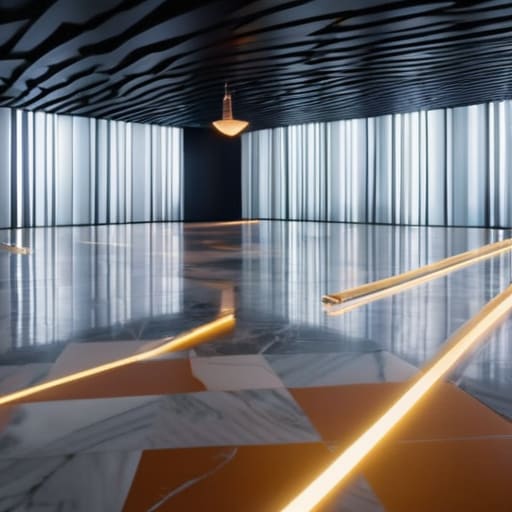
You don’t wait until the first cocktail is poured to figure out where people are going to stand. If you do, you’ve already lost the battle. Real event security planning starts months out, looking at your floor plan not as a design exercise, but as a series of potential bottlenecks. I look at a room and I don’t see a dance floor; I see a high-pressure zone where sixty people in heels are going to converge the moment the band starts playing. You have to map out the natural drift—where the bar is, where the toilets are, and where the food is being dropped—because that is where the friction happens.
It’s about a proactive risk assessment for large gatherings that accounts for the human element. People are predictable in their chaos. They gravitate toward the exits when they’re tired, they cluster around the buffet when they’re hungry, and they create a vacuum around the person making that uninvited speech. If your layout doesn’t account for these micro-movements, you aren’t managing a crowd; you’re just watching one happen. You need to anticipate the surge before it hits the door.
Capacity Monitoring Techniques for the Unforgiving Room
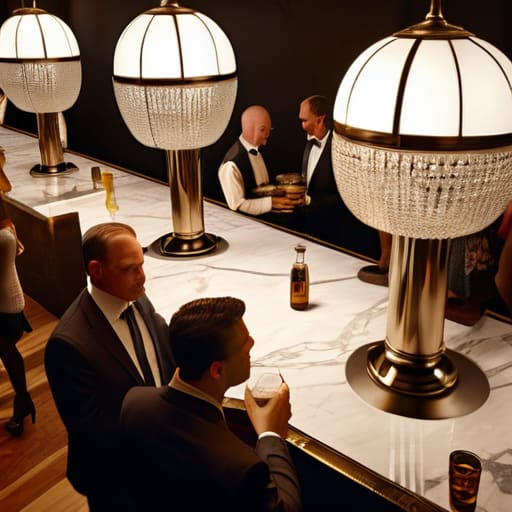
You can have the most sophisticated floor plan in the world, but once the bar opens and the first round of drinks hits, your spreadsheet starts to lie to you. I’ve seen rooms that look half-empty during the ceremony become a claustrophobic bottleneck the moment the cocktail hour begins. Relying on a “gut feeling” is how you end up with a fire marshal breathing down your neck. Effective capacity monitoring techniques aren’t about counting heads like a school teacher; they are about identifying the compression points—that specific corner near the buffet or the narrow corridor leading to the toilets where people naturally cluster and stall.
If you aren’t actively tracking the density in those high-traffic zones, your event security planning is just wishful thinking. I always tell my team to watch the “dwell time.” If guests are standing still in a doorway for more than three minutes, you have a flow problem that will inevitably lead to a crush when the next group arrives. You need to spot the build-up before it becomes a safety hazard, because once the room hits that critical mass, you lose control of the physics of the space.
The Real-World Friction Points: Five Ways to Keep the Peace and the People
- Stop treating the bar as a destination and start treating it as a bottleneck. If you put your main service point in the narrowest part of the room, you aren’t just creating a queue; you’re creating a human dam that will eventually burst. Move the service away from the exits and give the bartenders enough room to work without being elbowed by a guest trying to reach the bathroom.
- The “Buffet Rush” is a logistical nightmare disguised as a meal. If you announce “dinner is served” to a room of two hundred people at once, you don’t get a dining experience; you get a stampede. Stagger your seating or use a rolling service approach so you aren’t trying to manage a crush of hungry guests all fighting for the same tray of sliders at the same time.
- Lighting is your silent security guard. When the party shifts from a seated dinner to a dance floor, the mood changes, and so does the risk profile. Dimming the lights looks great for the photographer, but if you go pitch black, you’re asking for tripped ankles and spilled drinks. Keep enough ambient light in the walkways and near the exits so people can actually see where they’re stepping.
- Plan for the “Lingerers” and the “Leavers.” Most people plan for when the event is happening, but the danger zones are actually the transition periods. The ten minutes after the ceremony ends and everyone is milling around looking for a drink, or the frantic scramble when the licence end is twenty minutes away. You need clear, unobstructed paths for people to move through these shifts without getting pinned against a wall.
- Communication isn’t just for the staff; it’s for the floor plan. If your signage is tucked behind a floral arrangement or written in a font that requires a magnifying glass, it doesn’t exist. People get agitated when they feel lost or stuck. Clear, visible directions to exits, restrooms, and smoking areas prevent the “wandering guest” syndrome that leads to overcrowding in the wrong corners of the room.
The Final Countdown
At the end of the day, managing crowd safety isn’t about checking boxes on a compliance form; it’s about anticipating the friction points before they turn into actual problems. You’ve looked at the floor plans, you’ve calculated the buffet bottlenecks, and you’ve accounted for the surge when the bar finally opens after the speeches. If you’ve done the math on your capacity and mapped out your flow, you’ve already done more than half the people in this industry. Remember, safety is found in the details of the transition—the moments between the ceremony and the cocktail hour, or the sudden rush toward the exit when the music stops. It’s about having the logistical backbone to say no to an extra hundred guests when the room simply cannot breathe.
People come to your event to make memories, but those memories only happen if the environment is controlled and predictable. You can have the most expensive floral installations and the most talented string quartet in the city, but if the room feels claustrophobic or the exits are blocked by a misplaced catering trolley, the magic dies instantly. My advice? Stop looking at the decorations and start looking at the movement of the crowd. When you master the invisible mechanics of the room, you create the illusion of effortless ease. That is the real hallmark of a professional: making the complex look easy so your guests can focus on the celebration, while you keep a steady eye on the clock and the licence end.
Frequently Asked Questions
How do I keep people from bottlenecking at the bar when the speeches end and everyone decides they need a drink at the exact same time?
You don’t fight the rush; you engineer it. If you wait for the speeches to end before you even think about the bar, you’ve already lost. I tell my teams: the bar is a battlefield the moment the toasts finish. Break the line by setting up satellite stations for wine and water away from the main taps. If you can stagger the service or move the heavy hitters—the beer and spirits—to a secondary point, you prevent the bottleneck.
What’s the realistic way to handle a guest list that’s creeping past my fire exit capacity without causing a scene at the door?
You don’t pull a fire marshal and start shouting numbers at the bride; that’s how you ruin a wedding. You handle it through the “slow squeeze.” I tell the front-of-house team to throttle the bar service or slightly delay the next course. If people are occupied with a drink or a seated activity, they aren’t hovering in the doorway. It’s about managing the tempo of the room so the density never actually peaks.
If I’m working with a tight licence end, how do I manage the transition from a seated dinner to a crowded dance floor without losing control of the room?
You don’t “manage” that transition; you engineer it. If you wait for the music to kick in to move people, you’ve already lost. You need a staggered approach. Start clearing the tables ten minutes before the DJ even touches the deck. If the floor gets packed while people are still hunting for stray bread rolls, you’ll have a bottleneck at the bar and a bottleneck at the dance floor. Move the energy, then move the people.