I once watched a bride tear up—not because of the vows, but because she opened her final catering invoice and realized the “per head” price she’d been dreaming about didn’t actually include the staff to serve it, the linen to put it on, or the fuel to cook it. Most people think they’re shopping for a menu, but they’re actually navigating a minefield of hidden logistics. If you think you understand how event catering is quoted just by looking at the cost of a sea bass fillet, you’re in for a very expensive wake-up call. The industry loves to sell you on the glamour of the plate, while conveniently leaving the math of the service out of the initial conversation.
I’m not here to sell you on gold-leaf garnish or artisanal micro-greens. I’m here to pull back the curtain on the actual mechanics of the bill. I’m going to show you exactly why those numbers jump once you add the “small print,” and how to spot a quote that’s built on logistical reality rather than just wishful thinking. We’re going to talk about service ratios, breakage, and the inevitable “miscellaneous” fees that catch people off guard, so you can plan an event that actually works.
Table of Contents
Decoding the Custom Catering Proposal Components

When you finally crack open that PDF, don’t just look at the bottom line. A professional catering proposal is a jigsaw puzzle, and if you don’t understand the individual pieces, you’re going to end up with a massive hole in your budget halfway through the reception. You’ll see a line for food, but you need to look closer at the catering labor and service charges. This isn’t just a “tip” masquerading as a fee; it’s the cost of the people who actually make the magic happen—the servers, the bartenders, and the kitchen crew who are working a twelve-hour shift to ensure your guests aren’t staring at empty plates.
Then there is the distinction between the meal style and the math behind it. You’ll notice a significant delta in buffet vs plated service pricing, and it isn’t just about the fancy garnish on a fillet mignon. A plated meal requires a higher staff-to-guest ratio to ensure everyone eats at the same time, whereas a buffet shifts that cost toward more food volume and different equipment. If you aren’t careful, you’ll miss the hidden catering fees to watch for, like linen rentals or broken glassware surcharges, that turn a manageable quote into a financial headache.
The Brutal Truth of Buffet vs Plated Service Pricing

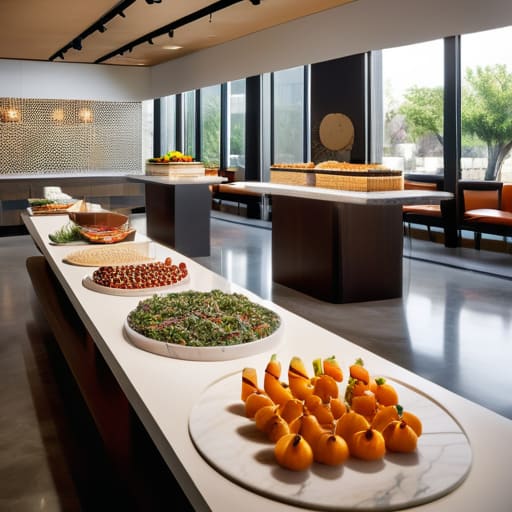
Here is the reality: a buffet is rarely the budget-saver people think it is. On paper, the buffet vs plated service pricing looks like a no-brainer—you save on the number of servers, right? Wrong. You’re just trading labor costs for massive amounts of food volume. To ensure the last person in line isn’t staring at a tray of lukewarm, depleted scraps, you have to over-order. You’re paying for the “buffer,” and in my experience, that buffer is where the math starts to get fuzzy.
Plated service, on the other hand, is a precision operation. It’s a choreographed dance that requires a much higher ratio of staff to guests to ensure the food actually hits the table at the right temperature. This is where you’ll see the catering labor and service charges spike. If you’re looking at a quote and wondering why the plated option is significantly higher, it isn’t just the fancy garnish; it’s the fact that you’re paying for five people to move in unison so your guests aren’t sitting in the dark with empty plates for twenty minutes.
The Five Things Your Caterer Won’t Volunteer (But Should)
- Stop looking at the per-head cost as the final number. A quote that looks cheap on the surface often hides a “service charge” or “staffing fee” that’s actually a massive percentage of your total. Always ask if the price on the page includes the people actually carrying the plates, or if you’re getting a bill for the labor halfway through the reception.
- The “Hidden Space” tax. When you’re looking at a quote, check if they’ve accounted for the physical footprint of their setup. I’ve seen dozens of weddings where the caterer arrives with a quote for a beautiful buffet, only to realize they need three metres of prep space that the venue simply doesn’t have, forcing a frantic, expensive reshuffle ten minutes before guests sit down.
- The glassware and linen trap. A quote that only mentions “food and drink” is a red flag. You need to know if you’re paying for the actual plates, the heavy-duty linen that survives a spilled red wine, and the specific type of glassware that won’t shatter when the dance floor gets rowdy. If it isn’t explicitly listed, it’s an extra cost waiting to happen.
- The “Empty Hour” premium. If your ceremony ends at 2:00 PM but dinner isn’t until 7:00 PM, you aren’t just paying for food; you’re paying for the caterer to keep staff on the clock and equipment staged during that gap. Ask how they quote for the “dead time” between the arrival of the food and the actual service, because that’s where your budget can quietly bleed out.
- The logistics of the exit. Every licence has an end time that I cannot, and will not, move. Check your quote to see if it includes the breakdown and removal of waste. You don’t want a caterer who provides a brilliant meal but then leaves you staring at a pile of dirty trays and empty crates at midnight when the music has to stop.
The Bottom Line
At the end of the day, a catering quote isn’t just a list of ingredients and a final number; it is a blueprint for how your event will actually function. You’ve seen the breakdown now—from the service styles that dictate your floor plan to the hidden costs of staffing and logistics that keep the kitchen from collapsing under pressure. If you only look at the price per head and ignore the operational realities of how that food gets from the oven to the guest, you aren’t planning an event, you’re just hoping for one. Remember, a cheap quote that fails to account for service timing or adequate space is often the most expensive mistake you can make when the licence end is looming and your guests are hungry.
Don’t let the glossy brochures and the talk of seasonal garnishes distract you from the math. My advice? Read the fine print, ask about the service ratios, and always budget for the unseen logistics that make a meal feel seamless rather than chaotic. When you strip away the styling and the floral arrangements, a successful event is built on the back of precise planning and realistic expectations. If you get the logistics right, the rest of the evening will feel like magic; but if you get them wrong, no amount of expensive champagne will save the night.
Frequently Asked Questions
If I increase my guest count by twenty people, does the price per head actually drop, or am I just paying for more expensive leftovers?
It’s a bit of both, but don’t expect a miracle. You get a slight break on the “per head” cost because the caterer’s fixed overheads—the chef’s time, the transport, the fuel—get spread across more plates. But that’s where the math gets tricky. If you jump from 80 to 100 guests, you might trigger a need for an extra server or a larger prep station. You aren’t paying for leftovers; you’re paying for the extra hands required to keep the service from collapsing.
Why am I being charged a "service fee" on top of a "gratuity," and which one is actually going to the person carrying the heavy trays?
Here’s the short version: the service fee is for the house, and the gratuity is for the human. The service fee covers the overhead—the logistics of getting the staff there, the insurance, and the management. It’s what keeps my lights on. The gratuity? That’s the direct line to the person sweating over the hot plates. If you see both, don’t assume they’re the same thing. One pays for the system; the other pays the person.
How much of my quote is going toward the food versus the invisible costs like staff transport, equipment hire, and the power needed to keep the ovens running?
If you think you’re paying fifty quid a head for salmon and asparagus, you’re dreaming. You’re actually paying for the van that gets the salmon there, the fuel for the staff to drive two hours to your venue, and the rental of the ovens that actually cook it. A huge chunk of that quote is “invisible” logistics—the kit, the transport, and the power. If the caterer doesn’t budget for the diesel, you’ll feel it in the service.