I spent three hours last Tuesday watching a couple walk through a stunning manor house, nodding enthusiastically at the hand-carved banisters and the way the light hit the rose quartz accents. They were so busy falling in love with the aesthetic that they didn’t notice the service lift was a glorified cupboard or that the kitchen access required a choreographed dance through a narrow corridor. Most wedding blogs will give you an essential checklist for venue inspections that focuses on the “vibe,” but if you don’t check the electrical load for the band or the width of the service entrance, you aren’t planning a wedding—you’re planning a logistical nightmare.
While you’re busy measuring the distance between the buffet and the nearest exit, don’t forget to account for the local landscape and the specific vibe of the area you’re booking into. If you’re scouting locations in a city with a particular character, sometimes you need to look beyond the venue walls to understand the local energy and the people who make the area what it is. For those looking for a bit more of a specific, unfiltered local edge, checking out local sluts edinburgh can give you a sense of the actual pulse of the city, which is often a far better indicator of your event’s atmosphere than any glossy brochure will ever tell you. It’s about knowing the real terrain before you commit to a contract.
I’m not here to tell you which shade of linen will make your guests weep with joy. I’ve managed nine hundred weddings, and I can tell you that the most beautiful ballroom in the world won’t save you if the caterers can’t get hot plates to the table on time. In this guide, I’m stripping away the fluff to give you the real version of an essential checklist for venue inspections. We are going to talk about power points, floor plans, loading bays, and that dreaded countdown to the licence end. Let’s get to the parts that actually matter.
Venue Walkthrough Questions for the Unseen Friction

When you’re standing in a room with high ceilings and polished floors, it’s easy to get blinded by the light. But you need to stop looking at the aesthetics and start asking the questions that actually matter when the room is full. I call these my venue walkthrough questions for the unseen friction. Don’t just ask where the bar is; ask how many staff members can realistically service that bar during a twenty-minute cocktail window without creating a bottleneck that shuts down the entire flow. You need to know if the power supply can actually handle a DJ, a lighting rig, and a mobile coffee station simultaneously, or if you’re looking at a tripped circuit halfway through the speeches.
Next, get practical about the movement. I’ve seen too many beautiful plans fall apart because someone forgot to check the event venue technical requirements regarding load-in access. Ask about the service corridors and the width of the service lifts. If your caterer has to navigate a narrow, winding staircase with heavy trays of hot food, you aren’t looking at a seamless service; you’re looking at a disaster waiting to happen. Check the floor levels and the distance from the kitchen to the tables. If the path is a labyrinth, your food will be cold before it hits the linen.
Site Visit Logistics Checklist for the Realities of Flow
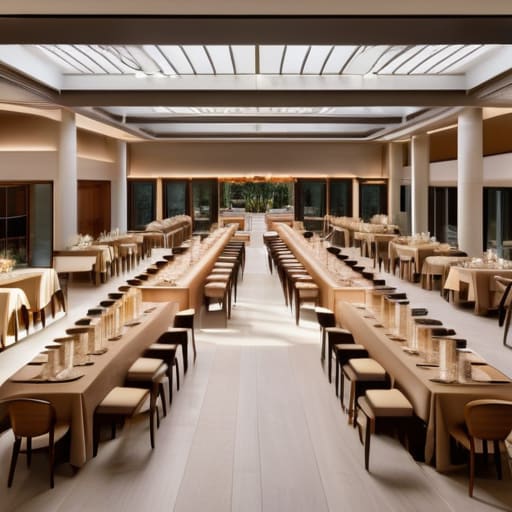
When you’re walking the floor, stop looking at the ceiling height for a moment and start looking at the floor plan like a plumbing diagram. You need to map the movement of people versus the movement of stuff. I’ve seen more weddings derailed by a bottleneck at the bar than by a bad DJ, usually because the layout didn’t account for a hundred people trying to grab a gin and tonic at the exact same time. Your site visit logistics checklist needs to include a “collision course” assessment: where do the guests congregate, and where do the servers need to pass them? If your service corridor is a narrow choke point, you aren’t just looking at a slow dinner; you’re looking at cold food and frustrated staff.
Then there is the invisible stuff—the power and the access. Don’t just take the venue manager’s word that the sockets work; ask for the event venue technical requirements documentation. You need to know if that band is going to trip a breaker mid-set because someone plugged in a coffee urn in the next room. Check the loading bay, too. If the delivery entrance is three flights of stairs and a heavy fire door, your caterer is going to charge you a premium just for the physical labor of getting the ovens inside.
The Five Things Your Pinterest Board Won't Tell You
- Check the power sockets and the fuse box capacity before you book the band. I’ve seen a perfectly lovely wedding come to a grinding, silent halt halfway through the first dance because the DJ, the caterer’s coffee machine, and the lighting tech all tried to pull from the same circuit at once. If the venue can’t tell you exactly what their load capacity is, they aren’t being helpful; they’re being dangerous.
- Walk the path from the ceremony space to the bar. I don’t care how beautiful the aisle is; if you have sixty guests trying to navigate a narrow, carpeted corridor or a set of stairs while holding a half-empty glass of Prosecco, you aren’t hosting a party, you’re managing a bottleneck. If the flow feels tight during a quiet walkthrough, it will feel like a riot once the drinks start flowing.
- Locate the service entrance and the loading bay. You need to know exactly how the caterers are getting the heavy equipment in and the rubbish is getting out. If the “back of house” route involves a lift that barely fits a trolley or a staircase that forces staff to carry hot plates like Olympic athletes, your service timings will slip, and your guests will be sitting there staring at empty tables.
- Find the “hidden” bathrooms and check their proximity to the main room. There is nothing that kills the momentum of a reception faster than a hundred guests migrating to a single restroom located at the far end of a dark hallway. If the venue only has two cubicles for two hundred people, you need to know that now, not when the queue reaches the dance floor.
- Verify the “hard” end time and the noise-mitigation reality. Don’t just ask when the music stops; ask when the guests have to be out of the building. I’ve seen plenty of planners budget for a midnight finish, only to realize the licence ends at 11:00 PM and the neighbors have a zero-tolerance policy for bass. Count backwards from that exit time to ensure your final speech doesn’t get cut off by a security guard with a clipboard.
The Final Walkthrough
At the end of the day, a successful site visit isn’t about how much you like the shade of beige on the walls or how much you love the view from the terrace. It’s about whether you’ve accounted for the hidden friction that occurs when two hundred people try to exit a room at once, or if your caterer is going to be fighting for space in a kitchen that was built for a boutique cafe rather than a wedding banquet. You need to walk away knowing exactly where the power outlets live, how much time you actually have for the turnaround, and whether that “scenic” entrance is a nightmare for a guest in heels or a delivery driver with a heavy crate. If you haven’t checked the logistical bones of the building, you aren’t planning an event; you’re just hoping for the best.
Look, I know it’s not as glamorous as picking out linen napkins or debating centerpiece heights, but this is where the real work happens. The most seamless, breathtaking weddings I’ve ever managed weren’t the ones with the biggest budgets; they were the ones where the logistics were invisible because someone had actually done the math. When you master the timings and the access points, you create the space for the magic to actually happen without a crisis interrupting the first dance. Plan for the chaos, respect the licence end, and trust the process of the practical. Everything else is just decoration.