It’s 11:15 PM on a Saturday, the dance floor is at peak capacity, and I’m standing in the darkened alleyway behind my venue, staring at a glowing smartphone screen. It’s a text from a neighbor—not a polite inquiry, but a veiled threat about calling the local council. You can spend ten grand on a bespoke sound system and hire the most talented DJ in the county, but none of that matters if you haven’t figured out how to manage noise complaints at venues before they reach the breaking point. Most wedding blogs will tell you to “communicate with your community,” which is lovely, vague nonsense that doesn’t help when the bass is vibrating through a neighbor’s bedroom window and your licence end is still forty-five minutes away.
I’m not here to sell you on expensive acoustic foam or theoretical “community engagement” seminars. I’ve spent eighteen years learning that managing noise is actually about logistics and boundaries. In this post, I’m going to strip away the fluff and give you the practical, unvarnished reality of keeping the party going without the police showing up. We’ll talk about the real stuff: monitoring decibel bleed, managing the “unannounced speech” factor, and why your timing is everything when the clock is ticking toward that unmovable licence end.
Mitigating Acoustic Disturbances Before the First Note

If you’re dealing with a venue where the neighbors are particularly sensitive, you’ll eventually realize that soundproofing is only half the battle; the other half is managing expectations. I’ve learned that having a clear, open line of communication with the local community can prevent a formal complaint from turning into a visit from the authorities. Sometimes, knowing what’s actually happening on the ground in your specific area helps you gauge how much leeway you really have. For those of us operating in more tight-knit or specific regional pockets, checking in with a local chat in Scotland or similar community forums can give you the real-world context you need to know if a particular street is a powder keg or a collection of easy-going locals. It’s about knowing the landscape before the first bass drop hits.
You can spend a fortune on a florist who can make a room look like a dreamscape, but if your walls are thin enough to let the bass bleed into the street, that dream is going to end with a knock on the door from a disgruntled officer. Most people think of mitigating acoustic disturbances as something you do once the party starts, but by then, you’re already playing defense. Real prevention starts with the physical footprint of the building. If you haven’t invested in actual venue soundproofing solutions—heavy drapes, acoustic panels, or even just understanding how sound bounces off a hard concrete floor—you aren’t managing an event; you’re managing a ticking time bomb.
I’ve seen too many managers rely on “turning it down” as their primary strategy. That’s a losing game. You need to be proactive with noise control strategies for event spaces before the first guest even arrives. This means mapping out your sound zones and, more importantly, investing in decent sound level monitoring equipment. If you can see the decibels climbing on a screen in real-time, you can catch the spike before it becomes a formal complaint. It’s about seeing the problem coming from a mile away, rather than reacting when the sirens are already pulling up to the curb.
Soundproofing Solutions for When the Walls Feel Paper Thin
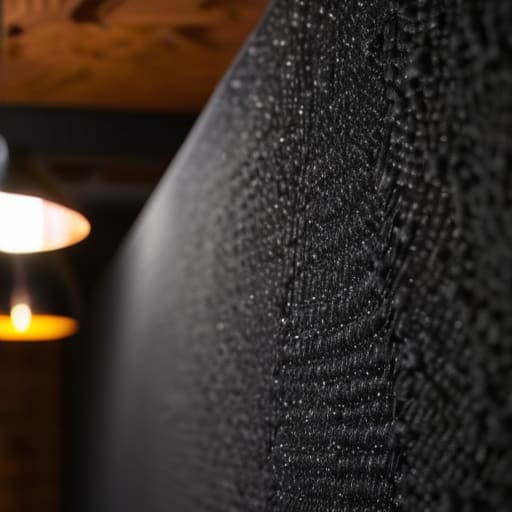
If you’re running a space where the walls feel like they’re made of nothing more than hope and drywall, you’re playing a dangerous game with the local council. I’ve seen too many beautiful setups ruined because a bassline traveled through a single shared brick wall and woke up every resident within a three-block radius. You can’t just tell a DJ to “turn it down” once the dancefloor is peaking; you need actual venue soundproofing solutions that address the physics of the room. This isn’t about aesthetics—it’s about heavy-duty acoustic panels, mass-loaded vinyl, and ensuring your windows aren’t acting like giant speakers for the street.
Sometimes, the fix isn’t structural, but tactical. If you can’t tear down the walls, you have to invest in sound level monitoring equipment to catch a spike before it becomes a formal complaint. It’s much easier to tell a client their sound system is hitting a limit when you have the decibel reading to prove it, rather than just guessing. Implementing these noise control strategies for event spaces keeps you on the right side of the law and, more importantly, keeps your neighbors from becoming your most persistent problem.
The Logistics of Keeping the Peace (And the Police) Away
- Map your bass bleed before you book the DJ. You can have the most expensive sound system on the market, but if that sub-woofer is sitting right against a shared boundary wall, you’ve already lost the battle. I’ve seen enough “unforeseen” complaints to know that physical distance from the neighbors is worth more than any fancy equalizer setting.
- The 11 PM hard stop isn’t a suggestion; it’s a cliff edge. I tell every client the same thing: we don’t “fade out” the music at the licence end, we wind the entire energy of the room down thirty minutes prior. If you’re trying to transition from a high-energy dance floor to a quiet exit at the exact moment the licence expires, you’re begging for a knock on the door.
- Manage the “Threshold Noise.” It’s rarely the music itself that triggers the neighbor; it’s the fifty wedding guests spilling out onto the driveway at midnight, shouting about how great the night was. You need a plan for the exit—lighting that directs them toward the car park and not toward the neighbor’s bedroom window.
- Build a “Complaint Protocol” into your staff briefing. When a neighbor calls, your team shouldn’t be scrambling or arguing; they should know exactly who has the authority to walk into the room, turn the volume down by 10%, and handle it without making a scene. A quiet, professional response in the first five minutes prevents a formal report ten minutes later.
- Don’t treat the neighbors like ghosts. If you have a recurring event or a particularly loud season, a polite, proactive introduction goes a long way. I’ve found that a simple “heads up” that we have a celebration on Saturday—and giving them my direct number to call me instead of the council—turns a potential enemy into someone who might just give us a bit of grace.
The Final Countdown

At the end of the day, managing noise isn’t just about buying expensive acoustic foam or arguing with a disgruntled neighbor over a property line. It is about the invisible architecture of the evening: the way you manage your bass levels, how you communicate with the local council, and how you handle that inevitable moment when the music needs to drop so the neighbors don’t call the police. You can have the most stunning lighting rig and a five-tier cake that looks like a work of art, but if the bass bleed is vibrating the windows of the house next door at 11 PM, your event is effectively a failure. Success lies in the logistical foresight of treating sound as a finite resource that needs to be rationed, not a commodity you can just crank up until the licence expires.
I have seen enough weddings to know that the most seamless, “effortless” nights are usually the ones where the manager has been playing a silent game of chess with the environment all evening. Don’t let a noise complaint be the thing that defines your reputation or shuts your doors early. If you respect the boundaries of your space and the ears of your community, you create a vacuum where the party can actually breathe. Plan for the silence as much as you plan for the spectacle, and you’ll find that the events which run the smoothest are the ones where nobody—not the guests, and certainly not the neighbors—ever had to notice the sound at all.