I once watched a wedding breakfast descend into a slow-motion train wreck because a bride decided to “surprise” her guests with a menu that ignored half the RSVP cards. I was standing by the service door, checking my watch—forty minutes until the bar needs to transition—when I saw it: a guest with a severe nut allergy staring at a plate of risotto that looked suspiciously like a minefield. Most wedding blogs will tell you that managing dietary restrictions at catered events is about being “inclusive” or “thoughtful,” but they’re selling you a dream. In reality, it’s a high-stakes game of logistical precision where one forgotten ingredient can turn a celebration into a medical emergency and a very expensive headache for the venue manager.
I’m not here to talk about how beautiful a gluten-free garnish looks in a professional photograph. I’m here to tell you how to actually handle the paperwork, the kitchen communication, and the service flow so that your guests are eating and your caterer isn’t panicking. We’re going to strip away the fluff and look at the hard mechanics of getting the right plate to the right person at the right time.
Allergen Management for Event Planners Beyond the Paperwork
Most people think allergen management for event planners is just a spreadsheet exercise—a tidy list of names and “no nuts” or “GF” scribbled in a column. It isn’t. That’s just the paperwork. The real work happens when the kitchen door swings open and the service begins. If your plan relies solely on a waiter remembering that Table 4 has a severe shellfish allergy, you are already failing. You need a system where the kitchen, the floor staff, and the guest are all on the same page before the first plate even leaves the pass.
When you are handling food allergies at large gatherings, you cannot rely on “hope” as a strategy. I’ve seen enough frantic guests scanning buffet trays like they’re looking for landmines to know that clear, physical labeling is your best friend. Don’t just put a little “V” on a card; make sure the staff can point to a dish and say, with absolute certainty, exactly what is in it. If your catering team isn’t prepared to handle a sudden, unlisted request with calm authority, your seamless evening is going to hit a very sharp, very expensive wall.
Inclusive Menu Planning Tips for Seamless Service Flow
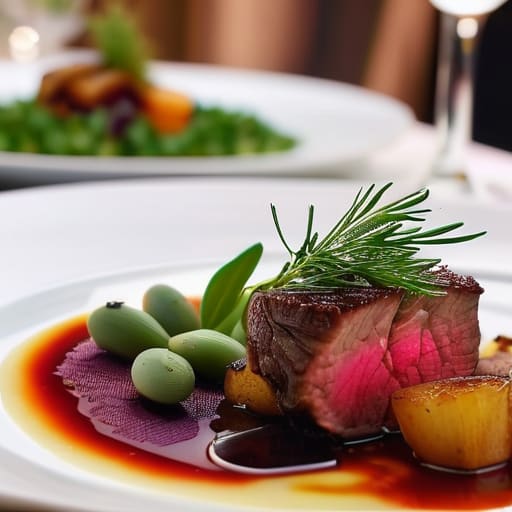
The biggest mistake I see is treating dietary requirements like an afterthought or a “special request” to be dealt with at the last minute. If you want a smooth service, you need to bake these needs into the initial menu design. Instead of forcing the kitchen to scramble for a separate, sad-looking plate of steamed vegetables, work with your chef on gluten-free and vegan catering options that actually look and taste like the rest of the meal. When the vegan option is just as impressive as the beef tenderloin, the guest with the restriction feels like a VIP rather than a logistical inconvenience, and your servers aren’t tripping over themselves trying to explain why the risotto is missing the parmesan.
You also need to master the art of labeling food for dietary restrictions before the first guest even sits down. I’ve seen too many receptions stall because a guest is hovering by the buffet, terrified to touch anything because they can’t read the ingredients. Clear, foolproof signage is your best friend here. It prevents the “waiter-interrogation” cycle where every single person asks, “Is this nut-free?”—a cycle that kills your service flow and drives your staff mad. If you get the signage right, the food moves, the guests eat, and you stay on track to hit that licence end without a hitch.
Five Ways to Stop Dietary Requirements from Derailing Your Service
- Stop treating the allergy list like an afterthought. If you aren’t handing a finalised, printed list to the head chef forty-eight hours before the first plate hits the table, you aren’t managing an event; you’re managing a crisis.
- Don’t let your guests play detective. If someone has a gluten intolerance, they shouldn’t have to flag down a waiter three times just to find out if the sauce is thickened with flour. Your menu needs to be transparent, or your staff will be too busy apologizing to actually serve anyone.
- Watch the “special meal” trap. If you have twenty people on vegan diets and you serve them a sad, lonely pile of steamed vegetables while everyone else is eating braised beef, you’ve failed. The dietary option needs to look like it belongs on the same table, not like it was prepared in a different building.
- Check your cross-contamination reality. It’s easy to promise a “nut-free” menu on paper, but if your kitchen is currently frying breadcrumbs in the same oil, you’re playing a dangerous game. You need to know exactly how your caterer handles the physical space between the safe food and the risk.
- Brief the floor staff until they can recite the ingredients in their sleep. There is nothing more soul-destroying for a guest than asking a waiter about a dairy allergy and hearing, “I’m not sure, let me go check with the kitchen.” By then, the service flow is already broken and the guest is already feeling anxious.
The Final Check Before the Doors Open
At the end of the day, managing dietary needs isn’t about filling out more spreadsheets or having a pretty printed menu that looks good on Instagram; it is about the unseen mechanics of the room. You’ve checked the lists, you’ve briefed the floor staff, and you’ve made sure the kitchen isn’t trying to cook a nut-free meal in a pan that just held satay. If you do this right, the guest with the severe allergy feels safe, the guest with the lifestyle choice feels seen, and more importantly, the service flow remains unbroken. You don’t want your servers playing detective mid-course while the rest of the room is halfway through their wine; you want them delivering plates with the confidence that every single dietary requirement has been accounted for.
People come to these events to celebrate, to mourn, or to connect, and they can’t do any of that if they are preoccupied with what might be hiding in their sauce. When you nail the logistics of the menu, you aren’t just avoiding a medical emergency or a kitchen meltdown; you are creating the space for the actual event to happen. A perfectly managed menu is one that no one notices, because everything just works. If you plan for the exceptions with the same rigour you apply to the main event, you’ll find that the most successful nights are the ones where everyone, without exception, gets to sit down and enjoy the moment.
Look, I’ve seen enough “special meals” turn into a logistical nightmare to know that if you aren’t tracking these requirements with a system that actually works, you’re asking for trouble. You can’t just rely on a frantic email thread or a handwritten note on a seating plan; that’s how people end up sitting there hungry while the rest of the room is halfway through dessert. I always tell my clients that the best way to avoid a service meltdown is to have a centralized, digital source of truth for every single guest requirement. It might sound like overkill until you’re staring down a kitchen team that’s twenty minutes behind the licence end, but having that data organized is the only way to ensure the service flow remains unbroken. If you’re looking for more ways to tighten up your guest management, you might find something useful through erotikanzeigen sie sucht ihn, but regardless of your tools, the discipline has to come from you.