
I’ve sat in the back of a hundred ceremonies, watching well-meaning couples follow a Pinterest-perfect script only to realize they’ve accidentally created a logistical nightmare. Everyone spends months obsessing over the shade of the bridesmaids’ silk, but nobody asks the real question: how to plan a ceremony order that doesn’t leave your guests standing in a heatwave for forty minutes while the officiant searches for a misplaced marriage license. I once watched a beautiful outdoor service fall apart because the procession was so bloated that by the time the vows actually started, the lighting had shifted, the kids were crying, and the caterers were staring at their watches wondering why the bar hadn’t opened yet.
I’m not here to sell you on more floral arches or expensive candle arrangements. My goal is to give you the unfiltered blueprint for sequencing your service so it actually flows. We’re going to look at the hard numbers—the transit times, the seating bottlenecks, and the unspoken transitions that keep a wedding from feeling like a frantic race against the clock. I’ll show you how to build a schedule that works for the people actually standing in the room, not just the ones looking at the photos later.
Table of Contents
Mastering the Wedding Ceremony Timeline and Flow of Service

Look, everyone spends months obsessing over the font on their ceremony program template, but nobody talks about the actual physics of the room. A wedding ceremony timeline isn’t just a list of beautiful moments; it’s a sequence of movements that can either glide or grind to a halt. If you have fifteen minutes of reading and ten minutes of music, but you haven’t accounted for the time it takes for a hundred people to shuffle from the aisle to the cocktail area, you’ve already lost the afternoon. You have to plan for the dead air—those awkward gaps where guests stand around looking at their shoes because the transition wasn’t baked into the schedule.
The same applies to the technical side. When you are looking at ceremony music selection tips, don’t just think about the “vibe.” Think about the cues. If your processional track ends abruptly because the celebrant wasn’t ready, the energy in the room drops instantly. You need to master the flow of a wedding service by treating every transition like a hand-off in a relay race. If the hand-off is sloppy, the whole event starts to feel frantic before the first glass of champagne is even poured.
The Wedding Liturgy Components You Cant Afford to Ignore
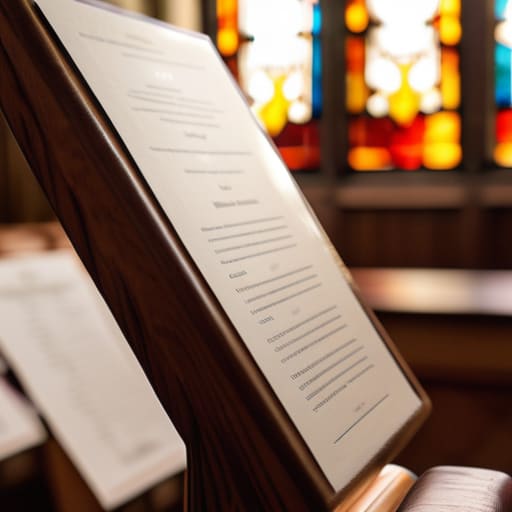
When people look at a ceremony program template, they see a list of names and nice poems. When I look at it, I see a series of logistical handovers. You can’t just pick wedding liturgy components because they sound poetic; you have to consider how they actually move the room. If you have five different people stepping up to the microphone for readings, you aren’t just adding sentiment—you are adding three minutes of dead air, shuffling feet, and the inevitable awkwardness of someone struggling to find the “mute” button on a PA system that wasn’t tested properly.
The same goes for your music. Most couples focus on the “vibe,” but I focus on the transition points. If your ceremony music selection tips involve a sudden, jarring jump from a solo violinist to a high-energy processional, you’re going to trip up the bridal party and lose the momentum of the room. You need to account for the physicality of the movement. Every reading, every song, and every prayer is a gear in the machine; if one gear is too large or too slow, the whole flow of a wedding service grinds to a halt just when you should be heading toward the champagne.
Five Logistics Traps That Will Derail Your Ceremony
- Stop overstuffing the processional. If you have twelve bridesmaids and seven groomsmen all trying to shuffle down a narrow aisle while a string quartet is struggling with a sheet change, you’ve already lost ten minutes of your precious cocktail hour. Keep the movement tight; the goal is to get people seated, not to stage a slow-motion parade.
- Build in a ‘buffer for the unexpected’ between the vows and the exit. Something always happens—a ring goes missing, a microphone fails, or a guest decides this is the moment to sneeze loudly. If your timeline is calculated to the exact second, these minor hiccups will ripple through the entire day, leaving your caterers waiting in a dark kitchen while guests wander aimlessly.
- Account for the ‘Exit Bottleneck.’ Everyone plans the entrance, but nobody plans the exodus. When the ceremony ends, you have a mass of people trying to move through a single doorway at once. If you don’t sequence the exit—whether it’s a petal toss or a coordinated walk—you’ll end up with a human logjam that pushes your photography schedule into the red.
- Check your power and acoustics before the first guest arrives. I’ve seen more ceremonies fall apart because a wireless mic ran out of juice or a speaker hummed during the silence than because of any liturgical error. If your ceremony order relies on music or amplification, that equipment needs to be tested, seated, and powered up an hour before the doors open.
- Respect the ‘Hunger Threshold.’ If your ceremony order is long-winded and heavy on readings, you are effectively pushing your food service later and later. Every extra ten minutes of ceremony is ten minutes of guests getting grumpier and more dehydrated. Work backward from your license end and your meal service time; if the ceremony eats too much of the afternoon, the energy in the room will be dead by the time the first course hits the table.
The Final Countdown

At the end of the day, a ceremony order isn’t just a list of names and songs; it is your primary defense against chaos. If you’ve accounted for the transition times, buffered for the slow-moving relative, and ensured the music cues don’t leave the bridal party standing in awkward silence, you have already won half the battle. Remember that every minute you shave off a transition is a minute you gain back for the things that actually matter—like making sure your guests aren’t staring at empty glasses or a catering team that’s running behind because the ceremony drifted an hour late. Plan for the friction, because the moment you assume everything will go exactly to script is the moment the logistics start to fray at the edges.
Once the service ends and the music swells, try to step out of the logistics for a second. I spend my life watching the clock, counting backwards from the licence end and calculating the exact moment the champagne needs to be poured, but I know that the best ceremonies are the ones where the guests don’t notice the machinery working underneath. When you nail the sequence, you create the illusion of ease. That is the real goal: to build such a solid structural foundation that the emotion of the moment can actually breathe. Do the hard work on the timings now, so that when you finally walk down that aisle, the only thing you have to focus on is the person waiting at the end of it.
Frequently Asked Questions
If the ceremony runs twenty minutes late, how much does that actually mess up the catering schedule and the drinks service?
Twenty minutes is the difference between a seamless transition and a logistical nightmare. If the ceremony drags, your “cocktail hour” evaporates. Suddenly, you’ve got a hundred thirsty guests staring at an empty bar while the catering team is frantically trying to prep canapés that were supposed to be out ten minutes ago. It creates a bottleneck that pushes your dinner service back, and once you lose that rhythm, you’re fighting a losing battle against the licence end.
How much "buffer time" should I realistically build into the transition between the vows and the reception to avoid a bottleneck at the exits?
Listen, if you think a ten-minute transition is enough, you haven’t seen a hundred people trying to shuffle through a single doorway while simultaneously hunting for lost programs and checking their phones. You need thirty minutes, minimum. That’s your buffer. It accounts for the slow walkers, the inevitable “one last photo” delay, and the sheer physics of moving a crowd. If you don’t bake that time in, you’ll have a bottleneck at the exit and a catering team staring at a silent room.
What happens to the flow of the event if we decide to move the readings or the music mid-ceremony?
You’re essentially asking to swap the engine parts while the car is moving. It’s not impossible, but you’re creating a vacuum. When you move a reading or a song mid-stream, you lose the momentum that keeps guests seated and attentive. You end up with awkward silences or, worse, a frantic scramble behind the scenes where the celebrant is waiting on a musician who isn’t ready. It turns a sacred moment into a logistics hiccup.