
I was standing in the wings of a wedding last June, watching a bride beam at her centerpiece arrangements, while twenty feet away, a catering team was staring helplessly at a single, overworked power socket. They were trying to run three industrial coffee machines and a warming oven off a circuit meant for a couple of fairy lights, and I could already hear the impending pop of a blown fuse that would leave sixty guests staring at empty mugs. Most people spend their planning months obsessing over whether the sea bass is sustainably sourced, but they completely ignore the mechanical reality of the room. If you want to avoid the most common mistakes when hiring event caterers, you have to stop thinking about the menu as a list of delicious food and start seeing it as a high-stakes logistical operation.
I’m not here to tell you which truffle oil is trending or how to plate a micro-green garnish. I’ve managed nine hundred events, and I know that the ones that feel effortless are the ones where someone actually thought about the floor plan. In this guide, I’m going to strip away the wedding-blog fluff and talk about the real stuff: power loads, service corridors, and why your “budget” caterer might actually cost you double in emergency rentals.
Catering Contract Red Flags and the Hidden Service Fee Myth

Look, if you’re feeling completely underwater with the sheer volume of questions you should be asking, don’t just guess. I’ve seen too many people wing it only to realize at 7:00 PM on the night of the event that their vendor hasn’t even seen a floor plan. If you need a place to bounce ideas or get a second opinion from people who actually understand the social nuances of organizing large gatherings, I’ve found that checking in with a Berlin chat community can be a surprisingly effective way to gauge how different groups handle logistics. It’s better to feel a bit silly asking a question now than to be the person standing in a dark ballroom wondering why the service staff is staring at a locked kitchen door.
When you’re staring at a quote that looks too good to be true, it usually is. Most people focus on the cost per head, but that’s where the trap is set. I’ve seen too many couples celebrate a “bargain” only to be hit with a mountain of hidden catering service fees once the final invoice arrives. We’re talking about “corkage” that wasn’t discussed, “admin fees” that feel like a tax on existing, and delivery surcharges that appear out of thin air. If the contract doesn’t explicitly state what is—and more importantly, what isn’t—included in that bottom line, you aren’t looking at a quote; you’re looking at a guessing game.
Watch out for the vague language in the fine print. A real professional will be granular about their logistics. If they are dodging questions about dietary restriction management or how they handle staff ratios, that is a massive red flag. You don’t want a caterer who promises “plenty of staff” when the reality is two exhausted teenagers trying to feed two hundred people. Read the fine print like you’re looking for a leak in a dam; if the service levels aren’t locked down, your event is one delayed tray of canapés away from a disaster.
Why Tasting Menu Importance Fails Without Real Vendor Communication Tips

Everyone treats the tasting menu like a high-stakes audition, but they’re looking at it all wrong. You’re sitting there in a quiet room, sipping a perfectly balanced reduction, thinking, “This is it. This is the dream.” But a tasting menu is a controlled environment; it is a vacuum. It doesn’t tell you if the kitchen can actually execute that same dish for two hundred people simultaneously while the band is playing a floor-filler and the bar is backed up. The real test isn’t the flavour profile; it’s whether the chef can maintain that quality when the event food service logistics actually kick in.
If you want to avoid a disaster, use that tasting session to pivot toward vendor communication tips that actually matter. Don’t just ask if the sea bass is fresh; ask how they handle the transition from a seated three-course meal to a buffet, or how they manage the tray service when the room is at capacity. You need to know how they handle dietary restriction management under pressure. If they can’t explain their system for tracking a nut allergy or a vegan requirement during a chaotic service, that delicious risotto isn’t going to save your evening.
The Logistics of the Plate: 5 Things Your Caterer Won't Tell You Unless You Ask
- Stop obsessing over the truffle oil and start asking about the power draw. If you’re hiring a caterer who brings heavy-duty warming cabinets and espresso machines, you need to know if your venue’s circuits can actually handle the load. There is nothing quite as soul-crushing as a wedding reception going dark mid-first-dance because someone plugged a panini press into the same circuit as the DJ.
- The “Service Staff to Guest” Ratio is your most important metric. Everyone looks at the food, but nobody looks at the empty glasses. If you have 150 guests and only four servers, your “elegant cocktail hour” will turn into a frantic, thirsty scrum within twenty minutes. Aim for a ratio that ensures people actually get a drink in their hand without having to hunt down a staff member like they’re looking for a lost relative.
- Plan for the “Dirty Dish” bottleneck. You can have the most beautiful, minimalist venue in the world, but if you haven’t budgeted for a dedicated space for the catering team to stack, wash, and hide the mountain of dirty plates, those trays are going to end up cluttering your guest walkways. A caterer needs a staging area, not just a kitchen; if you don’t give them one, they’ll steal it from your floor plan.
- Don’t forget the “Load-in/Load-out” window. I’ve seen countless planners book a venue for a strict eight-hour block, only to realize the caterer needs two hours just to set up and another hour to scrub the floors afterward. If your contract doesn’t account for the setup and breakdown time, you’ll find yourself paying “overtime” fees to the venue before the first appetizer has even left the tray.
- The “Dietary Requirement” trap. Don’t just give your caterer a list of “Vegetarian” or “Gluten-Free” counts at the final week. Ask them how they manage the workflow for those specific plates. You don’t want the person with the severe nut allergy sitting there for forty minutes watching everyone else eat while the kitchen tries to figure out which pan is “safe.” A professional caterer has a system for the outliers; a hobbyist just has a list of problems.
The Reality Check
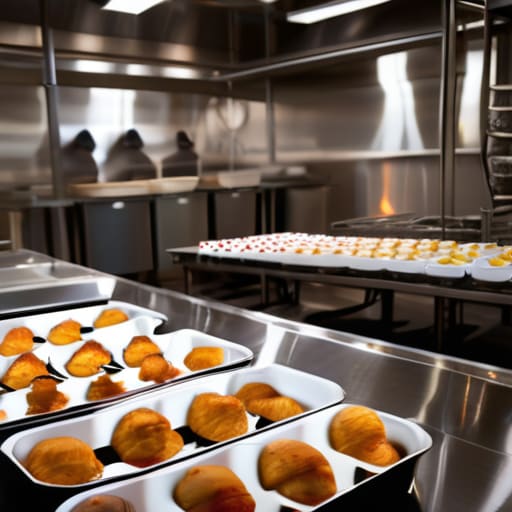
At the end of the day, hiring a caterer isn’t about picking the prettiest plate or the most expensive truffle; it’s about managing the unseen friction that can derail an entire evening. If you haven’t scrutinized the service fees, double-checked the power requirements for their equipment, or confirmed how they actually handle a sudden influx of hungry guests, you aren’t planning an event—you’re just hoping for the best. I’ve stood in the wings of enough venues to know that a beautiful menu won’t save a wedding if the caterer is fighting for floor space or struggling with a contract that leaves you footing the bill for every “extra” contingency. Logistics are the foundation upon which your celebration actually sits.
Don’t let the gloss of the marketing brochures fool you into thinking that a seamless event happens by magic. The most successful celebrations I have managed are the ones where the host understood that true elegance is found in the details that no one notices because everything simply worked. When the food arrives on time, the staff moves with purpose, and the drinks keep flowing despite the logistical hurdles, that is when you know you’ve done it right. Plan for the chaos, budget for the reality, and then—once the timings are locked and the access points are clear—you can actually sit down, have a drink, and enjoy the party.