
I once watched a beautifully styled wedding—the kind you see on Instagram with the perfect pastel linens—completely derail because the couple had spent three grand on bespoke miniature lace dresses but hadn’t thought about where the kids were actually going to go when the speeches hit the forty-minute mark. They had the aesthetics, but they hadn’t mastered the logistics. Most wedding blogs will tell you how to pick the cutest party favors or how to style a high chair, but they completely ignore the reality of managing tiny, high-energy humans in a room full of expensive glassware and rigid timelines. If you want to know how to plan for children at weddings without your reception turning into a chaotic game of tag, you need to stop looking at the Pinterest boards and start looking at the floor plan.
I’m not here to sell you on silk ribbons or customized coloring books. I’m here to talk about the unseen friction: the sugar crashes that hit right during the toasts, the strategic placement of the kids’ table relative to the exit, and the exact moment you need to transition from ceremony to childcare to keep the peace. I’ll show you how to manage the chaos so your “effortless” day doesn’t end in a logistical meltdown before the licence even expires.
Table of Contents
Defining Wedding Guest List Age Limits and Space
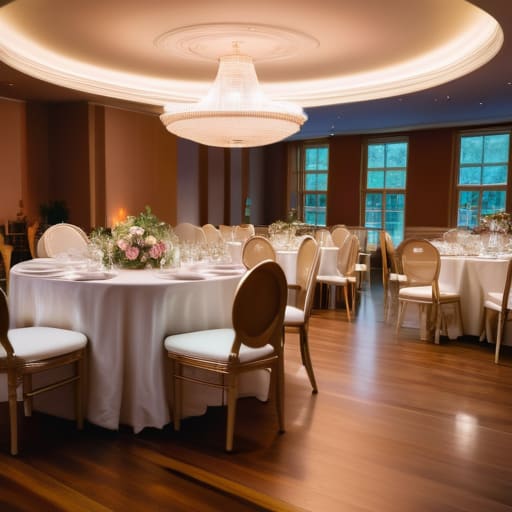
Before you even look at a guest list, you need to decide on your wedding guest list age limits. This isn’t about being “anti-child”; it’s about being pro-logistics. If you invite every cousin from age two to twenty-two, you aren’t just inviting people; you are inviting a massive shift in your floor plan and your catering budget. A room designed for 150 adults behaves very differently when you add twelve high chairs and the inevitable kinetic energy of a toddler who has discovered the buffet.
Space is the silent killer of a smooth evening. I’ve seen “intimate” weddings turn into a claustrophobic mess because the couple didn’t account for the extra square footage required for a dedicated play area or a stroller parking zone. If you are planning on providing wedding kid-friendly activities, you need to map out exactly where those happen. You cannot tuck a craft table into a corner and expect it not to bleed into the flow of the service. You either budget the floor space for the chaos, or you accept that the chaos will dictate your evening.
Calculating Wedding Meal Options for Toddlers and Hungry Minors

Now, let’s talk about the actual fuel. You can have the most beautiful, linen-draped tables in the room, but if a three-year-old is staring at a plate of micro-greens and seared scallops, you’ve lost the battle. I’ve seen it a hundred times: the “sophisticated” menu arrives, the adults start their slow-motion dining, and the kids start a riot because they’re hungry now. When you are looking at wedding meal options for toddlers, forget the idea of a miniature version of the adult menu. They don’t want a tiny portion of braised beef; they want something predictable, something they can eat with their hands, and something that arrives before the main course hits the adults.
Timing is everything here. If your service schedule is tight, you need to coordinate with your caterer to have the kids’ food hit the tables ten minutes before the main service. It’s not about being “extra”; it’s about strategic crowd control. If the children are fed and settled, the parents can actually breathe, which makes managing young children at formal events significantly easier for everyone involved. A hungry toddler is a loud toddler, and a loud toddler is a distraction you didn’t budget for.
The Real-World Logistics of Keeping Tiny Humans (and Their Parents) From Derailing Your Timeline
- Stop assuming the “kids’ table” is a magic solution. If you put ten five-year-olds at a table in the middle of the room without a designated “safe zone” or a way to contain the noise, you aren’t creating a cute moment; you are creating a localized riot that will drown out your father-of-the-bride’s speech.
- Map your floor plan around the exits and the bathrooms, not just the dance floor. If you have toddlers, you need to know exactly how many minutes it takes to get a stroller from the ceremony space to the reception area without hitting a waiter carrying a tray of champagne. If your venue has stairs and no lift, you’ve already lost the battle.
- The “Sugar Crash Countdown” is real. If your evening reception runs until midnight, you need to plan for the inevitable 8:30 PM meltdown. Don’t just provide sweets; provide a quiet, low-light corner away from the DJ’s subwoofers where a parent can actually sit down for ten minutes without feeling like they are part of the spectacle.
- Budget for “The Buffer.” When you invite children, you aren’t just adding bodies; you are adding complexity. You need extra space for gear—prams, diaper bags, and those massive plastic toy kits—that usually ends up blocking the fire exits or the service corridors. If your floor plan is tight, the kids’ stuff will eat your walkways alive.
- Synchronize the kid’s menu with your service windows. Nothing kills the momentum of a formal sit-down dinner like a group of hungry six-year-olds making a scene because their chicken nuggets arrived twenty minutes after the adults’ sea bass. If the kids eat early, they stay quiet longer; if they eat late, you’re fighting a losing war against the clock.
The Bottom Line on Little Guests
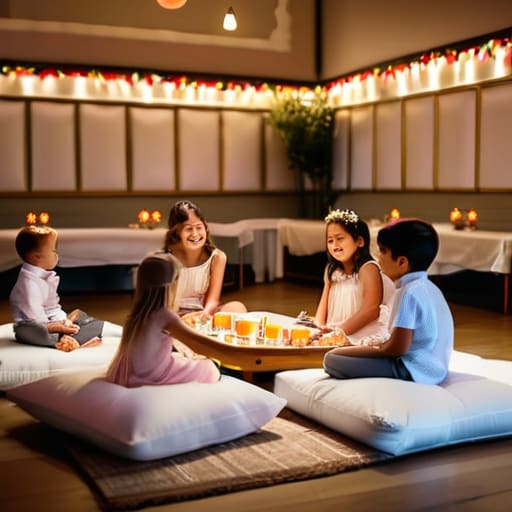
At the end of the day, managing children at a wedding isn’t about picking the right shade of pastel linen; it’s about preventing a total breakdown in your timeline. You’ve looked at the guest list, you’ve budgeted for the extra chicken nuggets, and you’ve mapped out the seating. If you can nail the logistical groundwork—ensuring there is a dedicated space for the chaos and a clear plan for when the sugar crash inevitably hits—you have already won half the battle. Remember, the goal isn’t to pretend the children aren’t there, but to build a structure that allows them to exist without derailing your entire evening schedule or leaving your adult guests feeling stranded.
I’ve seen plenty of weddings where the couple tried to ignore the reality of kids, and I’ve seen others where the kids became the main event because there was no plan in place. My advice? Don’t aim for a sterile, child-free perfection that feels forced; aim for a seamless integration that respects the flow of the event. When you account for the noise, the space, and the timing, you stop being a firefighter and start being a host. If you do the hard work of planning the messy bits now, you can actually sit down, enjoy your meal, and watch the sunset without worrying about a toddler’s meltdown interrupting your first dance.
Frequently Asked Questions
How do I handle the "uninvited" cousins who show up with kids I didn't account for in the catering or seating plan?
Look, I’ve seen this play out more times than I’ve seen a clean tablecloth. Someone shows up with a toddler in tow, and suddenly your “perfectly curated” seating plan is a jigsaw puzzle with missing pieces. Don’t panic, but don’t pretend it isn’t a headache. Keep a “buffer” of two extra chairs and a few highchairs tucked away in the back. If the caterer is on a tight schedule, have a few plain pasta dishes ready—it’s the universal peace offering for unexpected tiny humans.
What’s the best way to manage the transition from the dinner service to the evening party so the kids don't turn the dance floor into a wrestling ring?
The secret isn’t a magic wand; it’s a scheduled exit strategy. You cannot expect a ten-year-old to transition from a seated meal to a strobe-lit dance floor without a buffer. Build in a thirty-minute “low-stakes” window—a dedicated kid’s zone with films or crafts—while the adults finish their wine and the DJ dials up the energy. If you don’t give them a place to decompress, they’ll turn your dance floor into a wrestling ring by 9:00 PM.
If I hire a professional sitter or childcare service, where do I actually put them so they aren't in the middle of the room but still accessible?
Don’t stick them in a dark corner of the ballroom; that’s just a polite way of saying “out of sight, out of mind,” and it’s a recipe for a meltdown. You need a dedicated “kid zone” near the perimeter of the main room—ideally near a side exit or a quiet alcove. It needs to be visible enough that parents can glance over during a speech, but tucked away enough that a spilled juice box doesn’t ruin the linen.