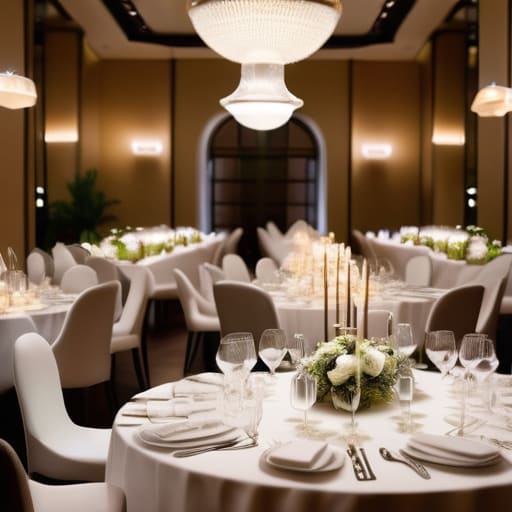
I spent last Saturday watching a bride weep because her sea bass was lukewarm, while her guests were still stuck in a bottleneck at the entrance, waiting forty minutes just to get a glass of Prosecco. Everyone spends months obsessing over the truffle oil or the garnish, but they completely ignore the reality of how wedding catering is planned on the ground. They focus on the menu, but they forget about the flow of people, the power requirements for the warming cabinets, and the sheer physical space a kitchen team needs to actually function without tripping over the flower girl.
I’m not here to sell you on a tasting menu or talk about seasonal micro-greens. What I’m going to give you is the view from the back of the house—the stuff the wedding blogs leave out because it isn’t “aesthetic.” We are going to look at the unfiltered mechanics of the meal: the service timings, the logistical footprint, and how to ensure your food actually reaches the table before the licence end looms over your head. If you want to avoid a logistical meltdown, this is where you start.
Table of Contents
A Brutal Wedding Catering Budget Breakdown

When people ask me for a wedding catering budget breakdown, they usually want to know how much the salmon costs per head. They’re looking at the wrong line item. You can spend a fortune on truffle risotto, but if you haven’t accounted for the service, you’re bleeding money. I’ve seen couples blow their entire surplus on a premium menu, only to realize they’ve skimped so heavily on the catering staff ratios for events that their guests are sitting there with empty glasses and cold plates for forty minutes. You aren’t just paying for food; you are paying for the invisible army required to move that food from the kitchen to the table before the temperature drops.
Then there is the eternal debate of buffet vs plated service options. A buffet looks cheaper on paper, but it’s a logistical trap. It requires more floor space, more heavy-duty equipment, and a much higher risk of a bottleneck that kills your momentum. A plated service is more controlled, but it demands more hands on deck. My advice? Don’t budget for the dream menu; budget for the logistics of getting that menu to the guest without the whole evening grinding to a halt.
Buffet vs Plated Service Options the Logistics of Flow
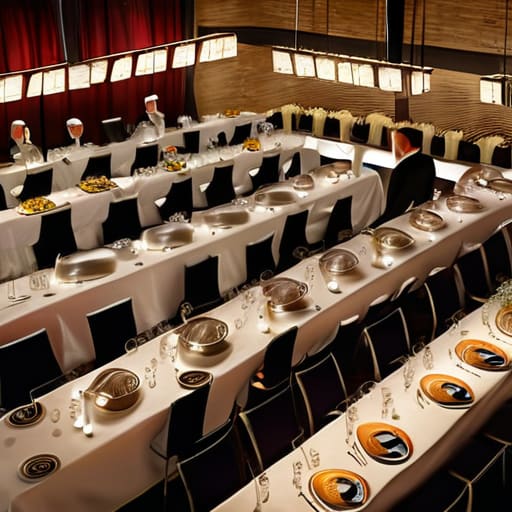
When you’re staring at your wedding catering budget breakdown, it’s easy to get seduced by the idea of a lavish buffet. On paper, it looks cost-effective and relaxed. In reality? A buffet is a massive logistical bottleneck. I’ve stood at the back of rooms watching a hundred hungry guests attempt to navigate a single narrow line while the music plays. If you don’t have the right catering staff ratios for events, you end up with half-empty trays, lukewarm proteins, and a guest list that is increasingly irritable. You aren’t just paying for the food; you are paying for the movement of bodies.
Plated service is the opposite end of the spectrum. It’s elegant, yes, but it is a high-wire act of wedding meal timeline management. To pull off a seamless plated dinner, your service team needs to move like a synchronized unit. If one table gets their mains three minutes after the others, the rhythm of the evening breaks. You also have to be surgical with your dietary restriction management for weddings; in a plated setting, a misplaced gluten-free meal isn’t just a mistake, it’s a service failure that halts the entire flow.
Five Things Your Caterer Won't Tell You (But Your Venue Manager Will)
- Stop obsessing over the truffle oil and start checking the power supply. If you’ve hired a high-end mobile kitchen but haven’t checked if your venue’s circuit can handle three industrial ovens and a coffee machine simultaneously, you aren’t having a dinner; you’re having a blackout.
- The “Empty Space” Fallacy. When you’re looking at floor plans, remember that a caterer doesn’t just need a table; they need a staging area, a way to get hot plates from point A to point B without tripping over your grandmother, and a place to hide the dirty dishes. If you don’t budget for their “back of house” footprint, your beautiful ballroom will feel like a crowded corridor.
- Calculate the “Drink Lag.” I’ve seen it a hundred times: the ceremony ends, guests migrate to the bar, and suddenly there’s a twenty-minute bottleneck where nobody has a glass in their hand. If you aren’t planning for pre-poured drinks or a high-volume service strategy the second the ceremony breaks, your “effortless” cocktail hour is going to feel like a queue at the post office.
- The Hidden Cost of Dietary Requirements. It’s not just about having one vegan option; it’s about the logistics of preventing cross-contamination in a high-speed kitchen. When you’re planning, ask the caterer exactly how they manage special diets during a rush. If they don’t have a clear answer, they aren’t planning for your guests’ safety—they’re just winging it.
- Work Backwards from the Licence End. This is the golden rule. If your music has to stop at midnight, your service shouldn’t be finishing at 11:45. You need to build in a buffer for the “unforeseen”—the speech that runs ten minutes long or the guest who insists on a second dessert. If you plan right up to the wire, you’ll be chasing guests out the door with a broom.
The Reality of the Final Countdown
At the end of the day, planning your catering isn’t about picking between sea bass or steak; it is about managing the invisible machinery that keeps the party moving. You have to balance the hard numbers of your budget against the physical reality of your floor plan, ensuring you haven’t traded your guest experience for a slightly fancier menu that arrives an hour too late. Remember that every decision—from whether you choose a buffet or a plated service to how much power your coffee station actually draws—is a piece of a larger puzzle. If you get the logistics right, the food becomes a seamless part of the celebration rather than a bottleneck that leaves your guests hungry and your timeline in tatters.
I know it sounds unromantic to talk about power requirements and service flows when you should be dreaming about centrepieces, but trust me on this: the most successful weddings are the ones where the guests never notice the effort. When the timing is tight, the access is clear, and the service is steady, the magic happens naturally. You aren’t just feeding people; you are orchestrating the energy of the room. Plan the hard parts with discipline so that when the music starts and the first course hits the table, you can actually stop looking at your watch and start enjoying the wedding.
Frequently Asked Questions
How much extra space and power do I actually need to set aside for the catering team so they aren't tripping over my guests?
You need to stop thinking about the kitchen as just a place where food happens and start seeing it as a high-traffic zone. For a standard wedding, budget at least three metres of clearance for the catering team to maneuver carts and prep stations without clipping a guest’s elbow. As for power, don’t assume the venue’s wall sockets are enough. If they’re running warming ovens and coffee machines, you need dedicated circuits, or you’ll be staring at a blown fuse ten minutes before the main course.
If I choose a plated service to save on "flow" issues, how much extra time does that add to the schedule before the dancing can even start?
You’re trading “flow” chaos for a clock that moves at a glacial pace. If you’re moving from a buffet to a plated service, you need to bake an extra 45 to 60 minutes into your schedule. Between the synchronized service, the inevitable “slow eater” at table four, and the time it takes for servers to clear plates without looking like they’re in a race, the dance floor won’t see a single person until well after your planned start time.
What happens to the timeline and the budget if the guest count shifts significantly two weeks before the licence end?
Two weeks out, a shifting guest count isn’t just a math problem; it’s a domino effect. If your numbers spike, your budget takes a hit on food and rentals, but the real danger is the timeline. More people means slower service, longer bathroom queues, and a bottleneck at the bar. If you’re pushing against the licence end, those extra twenty minutes of “mingling” can turn into a frantic rush that ruins the evening’s flow.