I once watched a wedding planner spend forty minutes debating the exact shade of linen for a banquet table, while in the background, three servers were frantically trying to figure out which side of the room had the extra glasses. It’s a classic symptom of the industry: people focus on the aesthetics because looking good is easy, but they completely ignore the mechanics of how venue staffing works. You can have the most expensive floral installations in the county, but if you don’t have enough hands to clear the plates before the speeches start, your “dream wedding” is going to feel like a logistical train wreck.
I’m not here to sell you on the magic of hospitality or give you a list of buzzwords that sound good in a brochure. I’m going to tell you what actually happens when the doors open and the pressure mounts. We’re going to strip away the fluff and look at the real math of service—from calculating ratios so your guests aren’t staring at empty glasses, to the precise timing required to turn a room around without the kitchen losing its mind. This is the unvarnished truth about the people who make or break your event.
Table of Contents
Event Staffing Ratios the Math of Avoiding Chaos
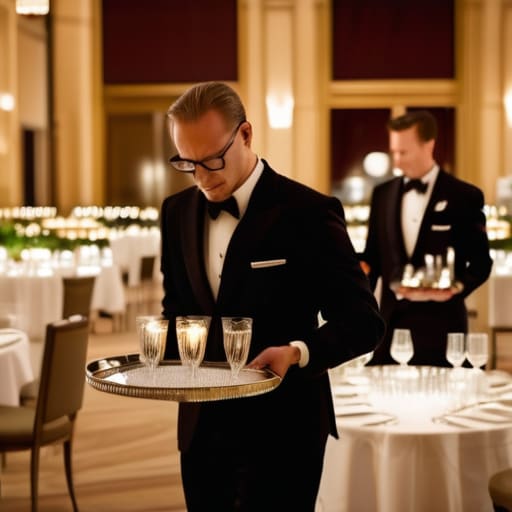
Most people look at a budget and see a line item for “staff.” I look at a budget and see a ticking clock. When you’re calculating event staffing ratios, you aren’t just guessing how many people can carry a tray; you are calculating how much time it takes to move a room of 150 people from cocktails to a seated three-course meal without the energy hitting a dead end. If you try to save a few quid on venue labor costs by cutting two servers, you haven’t actually saved money—you’ve just traded a small upfront saving for a massive, expensive failure in guest experience.
The math is brutal because it has to be. For a standard wedding, I usually look for one server per ten guests if we’re doing formal service, or one per fifteen if it’s a heavy buffet. But you also have to factor in the invisible players: the runners, the glass collectors, and the person making sure the coffee station doesn’t look like a battlefield by 9:00 PM. Proper event personnel planning means realizing that the moment the plates hit the table, the real race against the licence end begins.
Event Personnel Planning Budgeting for the Unseen Variables
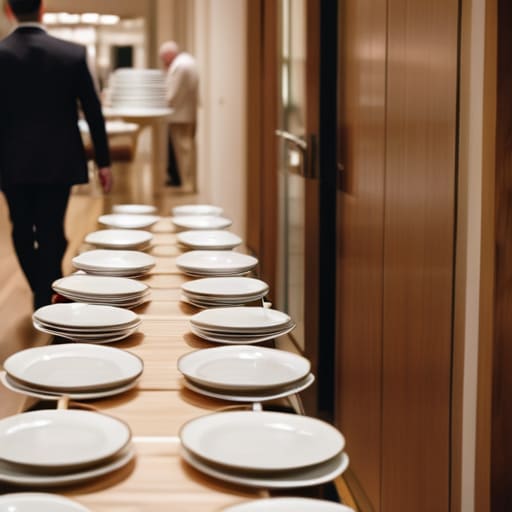
When you sit down with a spreadsheet to look at event personnel planning, most people only account for the “obvious” roles: the servers, the bartenders, the floor manager. They see the people in the vests and think that’s the whole team. They’re wrong. You need to budget for the people who prevent the wheels from falling off—the runner who ensures the kitchen doesn’t run out of hot plates, the porter who manages the sudden influx of coats, and the person who knows exactly where the extra linen is hidden when a spill happens.
If you don’t account for these “shadow roles,” your venue labor costs might look lean on paper, but your service will feel hollow. I’ve seen too many planners try to save a few quid by cutting the support staff, only to realize halfway through the wedding breakfast that the primary servers are too busy running to the back to actually attend to the guests. You aren’t just paying for bodies; you are paying for on-site staff coordination that keeps the momentum moving. If your team is constantly playing catch-up, you aren’t managing an event—you’re managing a crisis.
The Real-World Math of Keeping the Room Moving
- Don’t just hire for the service; hire for the transition. The most dangerous ten minutes of any wedding are the ones between the ceremony and the first drink being poured. If you don’t have a dedicated team focused solely on clearing the ceremony space and prepping the bar for that sudden influx, you’ll have a hundred thirsty guests staring at an empty counter.
- The “Floater” is your insurance policy. Every floor plan I’ve ever approved needs at least one person who has no fixed station—no specific tables to serve, no specific bar to man. Their only job is to spot the disaster before it happens: the spilled red wine on the white linen, the guest who can’t find the restroom, or the caterer who is running ten minutes behind.
- Respect the power of the “Lead.” You can have the most talented servers in the city, but if they aren’t working from a single, unified sheet of timings, they’ll be out of sync. I’ve seen rooms fall apart because the kitchen thought dinner was at 8:00 PM while the floor staff thought it was 7:30 PM. One person needs to hold the clock.
- Plan for the “Speech Sinkhole.” Everyone loves a heartfelt toast until they realize it’s eating into the time allotted for the main course. I always tell my clients to brief their staff on the “speech variable”—if the Best Man goes rogue and talks for twenty minutes, your team needs to know whether to hold the hot food in the pass or start the service anyway to keep the momentum.
- The bar isn’t just about pouring drinks; it’s about managing the flow of the room. If your bar staff is overwhelmed, the energy in the room dies. You don’t need more bartenders as much as you need someone dedicated to replenishing ice, glassware, and garnishes. A bartender searching for a lemon is a bartender who isn’t serving a guest.
The Final Countdown

At the end of the day, staffing isn’t some abstract math problem you solve on a spreadsheet; it’s the difference between a seamless evening and a room full of thirsty, restless guests. You’ve looked at the ratios, you’ve accounted for the hidden costs of those extra hands, and you’ve realized that a “bargain” on headcount usually ends up costing you more in reputation and stress than you ever intended to spend. Remember: you aren’t just paying for people to stand in a room; you are paying for the logistical buffer that keeps the momentum moving when the kitchen runs five minutes behind or the champagne service hits a bottleneck.
When the lights go down and the music starts, you shouldn’t be thinking about the staff at all. If you’ve done the work—if you’ve planned for the turnover, the service speed, and the inevitable human variables—the event will feel like it’s happening by magic. But we both know it isn’t magic; it’s just meticulous preparation hiding behind a polished veneer. Build your team with the end of the licence in mind, plan for the chaos before it arrives, and I promise you, you’ll actually get to sit down and enjoy the party instead of managing it from the sidelines.
Frequently Asked Questions
If I cut my staff numbers to save on the bottom line, exactly which part of the evening is going to fall apart first?
It’s always the transition from the drinks reception to the seated dinner. That’s when the momentum is highest and the pressure is greatest. If you’ve skimped on numbers, you’ll see it immediately: guests standing around with empty glasses, a bottleneck at the buffet, or a dining room that takes forty minutes to set when it should have taken fifteen. You aren’t just saving money; you’re buying a slow, awkward crawl that kills the evening’s energy before the first course even lands.
How do I know if the agency is sending me seasoned professionals or just kids who have never held a tray in a crowded room?
Don’t ask them if the staff are “experienced”—everyone says yes. Ask about their specific training for high-pressure service. A seasoned pro knows how to navigate a crowded floor without breaking a glass or tripping over a bride’s train. A kid just follows instructions. Look for agencies that talk about tray-service technique and situational awareness. If they can’t explain how they handle a sudden rush of fifty thirsty guests, they’re sending you warm bodies, not professionals.
When does the "hidden" cost of staff—like overtime, breaks, and late-night pack-downs—actually start eating into my budget?
The bleeding starts the moment you forget the “tail.” You budget for the party, but you don’t budget for the two hours after the music stops when the crew is still breaking down stages and hauling crates. If your licence ends at midnight, your staff isn’t finished until 2:00 AM. Between mandatory breaks, overtime triggers, and that inevitable “just one more drink” delay, your staffing costs can swell by 20% before the first guest even leaves.