I’ve spent eighteen years watching people pour thousands of pounds into “bespoke” miniature delicacies, only to watch the entire reception stumble because they forgot the basics of how canapes are planned. I once saw a wedding where the menu looked like a Michelin-starred dream on paper, but because the host hadn’t accounted for the physical flow of a crowded cocktail hour, the guests were standing there with empty hands and thirsty throats for forty minutes. It wasn’t a lack of talent in the kitchen; it was a failure of logistics. Most wedding blogs will tell you to focus on the truffle oil or the gold leaf, but they never mention that a beautiful garnish is useless if your servers can’t physically navigate a sea of aunties and uncles to reach the guests.
I’m not here to sell you on a lifestyle or a color palette. I’m going to tell you how to actually manage the movement of food and people so your event doesn’t grind to a halt before the first toast. We are going to look at the math of tray counts, the reality of service windows, and the specific timing gaps that determine whether your guests feel hosted or ignored.
Table of Contents
Mastering Event Catering Menu Design and Portion Control
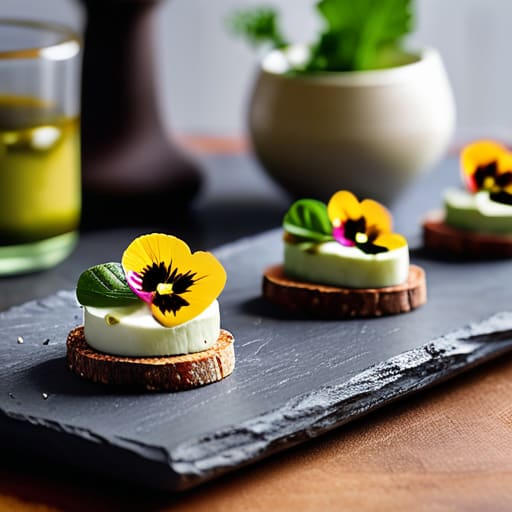
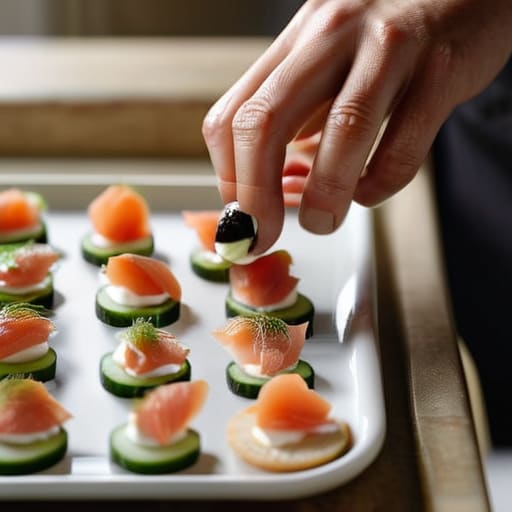
When you sit down to look at an event catering menu design, don’t just look at the ingredients; look at the physics of the plate. People tend to pick things that look good on Instagram, but I’m looking at the structural integrity of a crostini. If a guest can’t eat it in one or two bites without needing a napkin, a fork, or a prayer, it’s a logistical failure. You have to balance the heavy hitters—the protein-based bites that actually satiate—with the lighter, more delicate options. If you lean too hard into the “fluff,” your guests will be wandering toward the bar or the exit before the main course is even staged.
Then there is the math of finger food portion control. I’ve seen too many planners try to be “efficient” by underestimating the count, only to watch the room go hungry twenty minutes before the speeches. You aren’t just feeding people; you are managing a timeline. You need enough variety to cover the inevitable dietary restrictions, but not so much that your catering staff pacing becomes a frantic sprint to keep up with a crowd that’s eating faster than you anticipated. It’s about finding that sweet spot where the food flows, but the guests don’t feel like they’re at an all-you-can-eat buffet.
Navigating the Chaos of Canap Variety and Dietary Restrictions
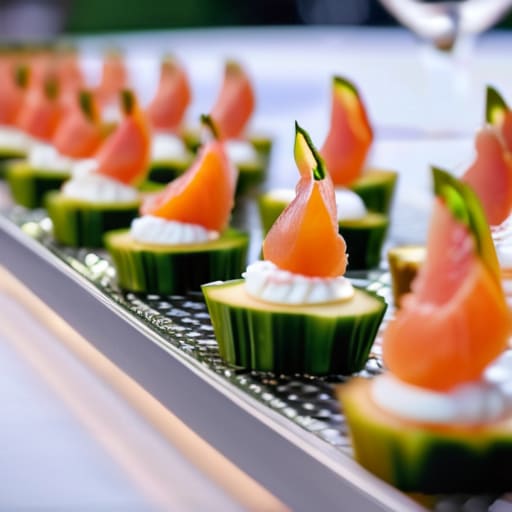
Here is where the spreadsheets meet the reality of a hundred different opinions. Everyone wants a “diverse selection,” but if you don’t manage your canapé variety and dietary restrictions with surgical precision, you end up with a room full of hungry people and a server holding a tray of prawns that nobody can touch. It’s not just about having a gluten-free option tucked away in the corner; it’s about ensuring that the person with the nut allergy doesn’t spend forty minutes staring at a tray of smoked salmon while the rest of the room is being fed.
The real secret to avoiding a bottleneck is in the catering staff pacing. You can have the most exquisite menu in the world, but if your servers are all hovering around the bar or if they’re delivering the heavy, bread-based bites too early, you’ve lost the room. I’ve seen too many weddings where the dietary-specific plates are treated like an afterthought, delivered ten minutes after the main rush has passed. If the guest with the vegan requirement is still waiting while the room is already halfway to the bar, you haven’t just failed a dietary request—you’ve failed the guest experience.
The Real Math Behind the Tray: 5 Logistics Lessons from the Floor
- Stop counting pieces and start counting minutes. You don’t plan canapés by how many guests you have; you plan them by how long the gap is between the ceremony and the sit-down meal. If you’ve only got a forty-minute turnaround because the bridal party is running late, you aren’t serving a “selection”; you’re serving a high-speed snack. Don’t promise a feast if the licence end is looming and your window is shrinking.
- The “Tray-to-Table” Ratio. A common mistake is assuming a server can weave through a room of two hundred people like a ghost. They can’t. Once the guests start congregating in tight circles, your service speed drops by half. I always tell clients to budget for more staff than the catering brochure suggests, or you’ll end up with guests staring at empty hands while the kitchen is sweating through their whites.
- Plan for the “Drink Lag.” There is a specific, dangerous moment about fifteen minutes into a drinks reception where the initial surge of thirst meets the first wave of food. If the canapés don’t hit the floor exactly as the first round of prosecco is cleared, you’ll have a room full of thirsty, hungry people. That is when the mood shifts from “celebratory” to “impatient.”
- The Floor Space Audit. Before you commit to a menu of “elaborate, hand-held sculptures,” look at your floor plan. If you have a narrow mezzanine or a room with heavy pillar placement, your servers are going to struggle with large, awkward trays. Stick to compact, sturdy bites that won’t result in a tray of smoked salmon landing on a bridesmaid’s silk dress when someone bumps a waiter in a dark corner.
- The Dietary “Safety Net.” Don’t just have one vegan option tucked away in the kitchen like an afterthought. If you have a significant number of dietary requirements, those guests need to feel like they are eating the same event as everyone else. I’ve seen too many weddings where the “special” plates arrive ten minutes after the main rush, leaving those guests feeling like they’re being managed rather than hosted.
The Final Count
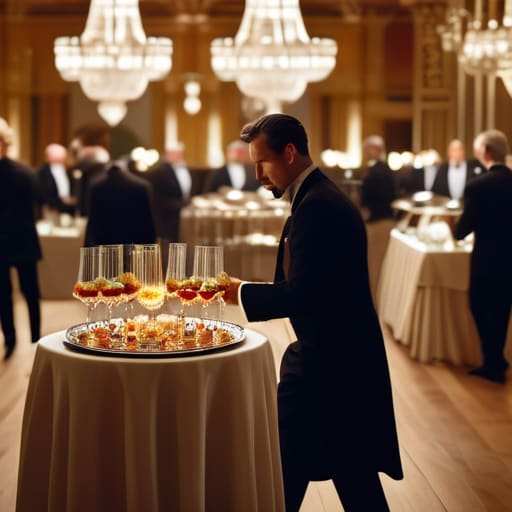
At the end of the day, planning canapés isn’t a creative exercise in food styling; it’s a math problem involving floor space, server speed, and the inevitable hunger of a hundred people waiting for a seated meal. You have to balance the menu variety against the reality of dietary needs, ensure your portion sizes actually satisfy rather than just tease, and—most importantly—account for the physical movement of staff through a room that is rapidly filling up with guests. If you get the logistics right, the food is a seamless part of the flow. If you get them wrong, you’re left with a room full of hangry guests, empty trays, and a catering team that is running twenty minutes behind a schedule that cannot move.
Don’t let the Pinterest boards fool you into thinking an event just “happens.” The most successful cocktail hours—the ones where you actually see people laughing and holding a drink instead of staring longingly at the kitchen door—are the ones where the heavy lifting was done weeks in advance. Focus on the mechanics, respect the timings, and plan for the chaos. When you master the logistics, you create the illusion of effortless elegance. And in this business, effortless is the hardest thing to achieve.
Frequently Asked Questions
How much time do I actually need to buffer between the ceremony finishing and the first tray of canapés hitting the floor?
If you think forty-five minutes is plenty, you’re already behind. You have to account for the “Lingerers”—those guests who take twenty minutes just to find their coats or navigate a slow-moving crowd. I always budget for a sixty-minute window. That gives you fifteen minutes for the transition, thirty for the actual service, and a fifteen-minute buffer for when the photographer gets stuck in a corner or the bar queue turns into a bottleneck.
If we’re doing a cocktail-style reception, how many pieces per person do I need to order so people don't end up hangry before the main meal?
If you’re running a cocktail reception where dinner isn’t following immediately, you’re playing a dangerous game with people’s moods. For a standard pre-dinner hour, aim for 4 to 6 pieces per person. If the “reception” is actually the main event, you need to be looking at 12 to 15 pieces to keep the blood sugar stable. Anything less and you’ll see that glazed, hungry look in their eyes by the time the bar closes.
How do I stop the servers from getting stuck in a bottleneck near the bar when everyone is trying to grab a drink and a bite at the same time?
You’ve got a collision course between the thirst and the hunger. If your servers are bottlenecking at the bar, it’s because you’ve treated the bar as the only destination. Stop the “stationary tray” approach. You need to deploy your staff in a circulating pattern, moving away from the bar into the dead zones of the room. If the guests are clustered at the taps, your servers need to be in the corners, bringing the food to the people so they don’t have to fight for a square inch of floor space just to grab a prawn cocktail.