I once watched a wedding reception descend into absolute chaos because the couple thought they were being “frugal” by cutting their bartender count in half. They saw a line of sixty people staring blankly at a single, overwhelmed server and thought they were saving money, but all they actually did was buy themselves a headache. Most wedding planners will talk to you about cocktail menus and glassware, but nobody tells you the truth about how bar service is staffed in relation to the actual math of human thirst. If you have a hundred guests and only one person behind the wood, you aren’t running an event; you’re running a slow-motion queue that will kill your dancing momentum before the first course is even cleared.
I’m not here to sell you on fancy garnishes or overpriced spirits. I’m here to talk about the logistics of the pour. In this post, I’m going to strip away the fluff and give you the real numbers on staffing ratios, the hidden costs of “efficient” service, and exactly how to ensure your guests aren’t spending their entire night staring at the back of someone’s head while waiting for a gin and tonic.
Table of Contents
Calculating the Bartender to Customer Ratio Before the First Pour
Most people approach their guest list like a headcount for chairs and plates, but they treat the bar like an afterthought. That is a mistake. If you want to avoid the dreaded bottleneck where your guests spend more time staring at the back of a bartender’s head than actually socializing, you have to get the math right early. A standard bartender to customer ratio isn’t a suggestion; it’s the difference between a seamless flow and a riot at the service station.
You have to look at the “peaks” rather than the average. If you have a two-hour cocktail reception followed by a formal sit-down dinner, your needs shift dramatically. You aren’t just planning for steady sipping; you are managing peak hour service when the first round of drinks hits or when the dance floor opens and everyone decides they need a gin and tonic simultaneously. I’ve seen too many planners try to save a few quid on hospitality labor management, only to watch their timeline crumble because guests are too busy queuing for a drink to make it to the speeches on time. Don’t let your bar become a roadblock.
Hospitality Labor Management Is Not a Guessing Game
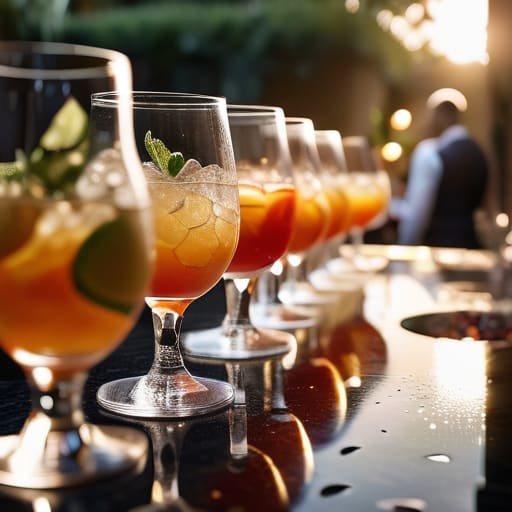
I’ve seen too many planners treat the staffing sheet like a suggestion rather than a blueprint. They look at a guest list of 150 and think, “Yeah, two bartenders should be fine if they’re fast.” That is how you end up with a queue that snakes out the door and into the garden, turning your cocktail hour into a test of human endurance. True hospitality labor management isn’t about cutting corners to protect the bottom line; it’s about understanding the physics of a crowd. When three hundred people realize at once that they want a gin and tonic, the math doesn’t care about your budget.
You have to plan for the surges, not the averages. If you aren’t optimizing bar workflow by positioning glassware, ice, and garnishes within arm’s reach before the first guest arrives, you’ve already lost. I don’t care how charismatic your staff is—charisma won’t clear a line of forty people when the heat is on. You need to build your schedule around the inevitable spikes, ensuring you have enough hands on deck to handle the rush without the service turning into a frantic, error-prone mess.
Five Ways Your Bar Plan Will Either Save the Night or Sink It
- Stop assuming one bartender can handle fifty people just because the room looks empty at 4:00 PM. The math changes the second the ceremony ends and everyone hits the bar at once. You don’t staff for the average; you staff for the peak, or you’ll spend your entire reception watching a queue stretch into the dining area.
- Watch your drink complexity against your timeline. If you’ve promised a bespoke gin menu with hand-carved ice and botanical garnishes, you can’t use the same staffing levels you’d use for a simple beer and wine service. Complexity eats time, and time is the one thing you can’t claw back once the licence end starts looming.
- The “Hidden” Staff Member: The Runner. Even with enough bartenders, if your team has to run to the back storeroom every time you hit a lull in the keg supply, your service speed dies. A dedicated person to restock ice, glassware, and garnishes keeps the bartenders behind the wood, where they belong.
- Account for the “Toast Trap.” Everyone thinks the bar is busy during the party, but the real logistical nightmare is the twenty minutes before the speeches. If you haven’t pre-poured the champagne or prepared the service for the toast, you’ll have a bottleneck that stalls your entire evening schedule.
- Don’t forget the layout logistics. I’ve seen plenty of planners hire enough staff but place the bar in a corner with zero “flow” space. If your staff are tripping over guests trying to get to the service well, you don’t have a staffing problem—you have a floor plan problem that no amount of extra hands can fix.
The Bottom Line on the Bar
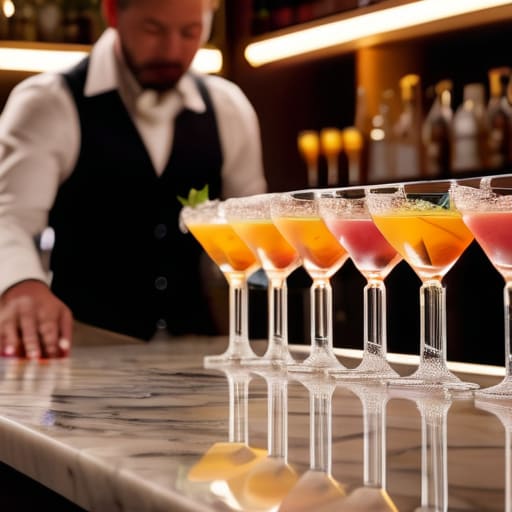
At the end of the day, staffing a bar isn’t about how many people you can fit behind the counter; it’s about managing the flow of human thirst against the clock. You’ve looked at the ratios, you’ve realized that hospitality isn’t a guessing game, and you understand that a single missing bartender during the post-ceremony rush can derail your entire timeline. Remember that every minute spent waiting in a queue is a minute your guests aren’t dancing or eating, and those minutes add up fast when you’re counting down to the licence end. Don’t let a “budget-friendly” staffing decision turn your celebration into a logistical bottleneck that no amount of expensive floral arrangements can fix.
If there is one thing nine hundred weddings have taught me, it is that the most successful events are the ones where the guests never once notice the machinery working behind the scenes. When the drinks are flowing, the staff is invisible, and the transition from cocktail hour to dinner is seamless, that is when you know the planning worked. An event might look like a dream in the photographs, but its success is built on the unseen mechanics of service. Plan for the reality of the crowd, not the ideal, and you’ll find that true elegance is simply good logistics executed without a hitch.
Frequently Asked Questions
Does the ratio change if I'm serving heavy cocktails versus just beer and wine?
It changes everything. If you’re serving beer and wine, you’re basically just pulling taps and popping corks; you can get away with leaner numbers. But if you’ve promised a heavy cocktail menu, you’ve just turned your bar into a production line. Cocktails require prep, measuring, shaking, and garnishing. That extra sixty seconds per drink adds up fast. If you don’t increase your staff for a cocktail-heavy list, your timeline will bleed out before the first dance.
How do I factor in the "arrival rush" when everyone wants a drink the second the ceremony ends?
You don’t “factor it in”—you plan for the surge. The ceremony ends, the doors swing open, and suddenly you have sixty people who have been sitting in silence for forty minutes and they all want a gin and tonic at the exact same second. If you staff for the steady flow of the dinner service, you’ve already lost. You need a “strike team” of extra hands just for that first forty-five-minute window.
Is it better to have more staff for the whole night, or just a surge of people during the cocktail hour?
You’re asking about the “surge vs. steady” debate. If you only staff for the cocktail hour, you’ll have a smooth start followed by a slow, agonizing death as the night wears on and the staff get tired. Conversely, overstaffing the whole night is just burning money. My rule? Staff for the peaks, but don’t leave the late-night crowd with one exhausted bartender. You need a skeleton crew for the long haul and a heavy hitter for the rush.