I’ve sat through enough “tasting dinners” to know that most of them are just expensive, over-plated vanity projects designed to make the couple feel like they’re in a Michelin-starred restaurant for an hour. They spend a fortune on a single bite of truffle-infused foam, only to realize later that the actual wedding meal—the one that has to feed two hundred people in a forty-minute window—is a completely different beast. If you’re treating your tasting like a romantic date night, you’re doing it wrong. You need to understand how tasting sessions should be used as a tactical reconnaissance mission, not a culinary celebration.
I’m not here to tell you which wine pairs best with sea bass; I’ve seen too many beautiful plates turn into cold, sad mush when the service clock starts ticking. Instead, I’m going to show you how to use that hour to stress-test the logistics. We’re going to talk about portion control, temperature retention, and why you should care more about how a dish holds up under heat lamps than how it looks on a tiny ceramic spoon. This is about ensuring your menu survives the reality of the room, not just the lighting in the kitchen.
Table of Contents
Organoleptic Assessment Methods for Real World Service
Look, when I talk about organoleptic assessment methods, I’m not trying to sound like a food scientist in a white lab coat. I’m talking about the reality of the plate when it hits the table. You can have a dish that tastes like heaven in a quiet, air-conditioned kitchen, but if it loses its structural integrity or temperature the moment a waiter carries it through a crowded room, you’ve failed. You need to use these sessions to test how the food actually behaves under the pressure of service.
Don’t just sit there and nod because the sauce is creamy. You need to employ specific sensory evaluation techniques to see how that sauce holds up after fifteen minutes of sitting under a heat lamp or being moved across a ballroom. Is the texture going to turn into glue by the time it reaches table twelve? Is the aroma going to be overpowered by the scent of three hundred people’s perfume? If you aren’t testing the resilience of the dish, you aren’t really tasting it; you’re just having a lovely lunch.
Five Ways to Stop Treating Your Tasting Like a Date Night
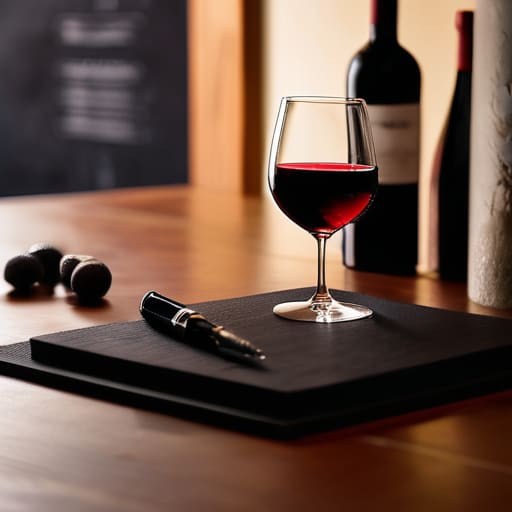
- Test the temperature, not just the taste. A dish can be culinary perfection in a quiet kitchen, but if that beef fillet drops to lukewarm because it takes ten minutes to travel from the pass to the furthest table in the room, you haven’t actually tasted the dish you’re serving.
- Order the “worst-case scenario” versions of your dishes. Don’t just taste the delicate poached salmon; ask how the sauce holds up if it sits under a heat lamp for five minutes during a delayed speech. If the sauce breaks or the protein turns to rubber, you need to swap the dish now, not when the wedding breakfast is in full swing.
- Bring your service staff, not just the decision-makers. Your floor manager needs to see the plate to understand the plating time and the physical handling required. If a dish requires a delicate drizzle of oil that takes a server thirty seconds per plate, you’ve just found your bottleneck for a hundred-person service.
- Check the “mouthfeel” against your guest list. If you’re hosting a corporate conference where people are networking and moving, heavy, overly complex sauces are a nightmare; if it’s a wedding with elderly relatives, you need to know if that “signature” crust is actually too difficult to cut with a standard dessert spoon.
- Use the session to audit your portion control and plating logistics. This isn’t just about whether the risotto is delicious; it’s about seeing how much space it takes up on the plate and how much prep time it actually requires. If a dish looks beautiful but takes a chef twenty minutes of intricate garnishing per plate, it’s a logistical suicide mission for a 200-capacity room.
The Final Audit
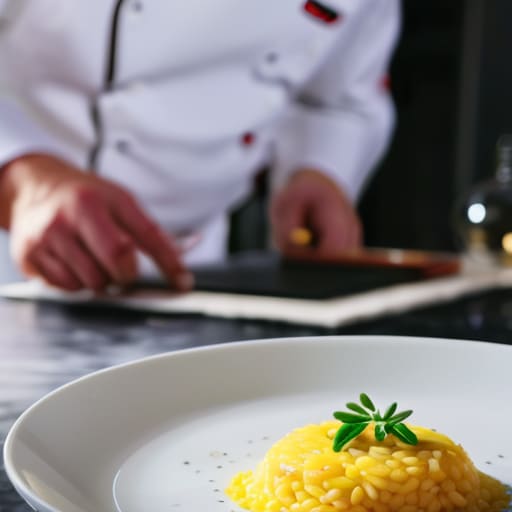
At the end of the day, a tasting session isn’t a celebratory meal to mark your engagement; it is your final opportunity to catch a disaster before it costs you five thousand pounds and a ruined evening. You have looked at the flavor profiles, you have stress-tested the service speed, and you have checked that the plating actually works for a room full of hungry people. If the risotto is great in a quiet kitchen but turns into a gummy mess after ten minutes under a heat lamp, you need to know that now, not when the room is full and the music is playing. Use this time to bridge the gap between the menu on the paper and the logistical reality of the service floor.
Don’t let the aesthetics of the plate distract you from the mechanics of the meal. A wedding might look like a dream in the official photographs, but the guests will remember the temperature of their steak and the timing of their drinks. If you treat your tasting like a rigorous rehearsal rather than a fancy dinner party, you are setting yourself up for the kind of seamless execution that looks effortless to everyone else. Plan the hard parts now, so that when the licence end approaches and the pressure is on, you can actually enjoy the room instead of wondering why the kitchen is running twenty minutes behind.
Frequently Asked Questions
If the food tastes perfect in a quiet room during a tasting, how do I know it won't be a disaster when the room is full of 150 people and a loud DJ?
Because a tasting isn’t a dinner party; it’s a rehearsal. If the food tastes perfect in a silent room, you haven’t tested the menu—you’ve just had a nice lunch. You need to ask the caterer about “holding time.” How long does that sea bass stay edible under a heat lamp while the DJ’s bassline is rattling the glassware? If a dish requires precision plating that takes ten minutes per person, it’s a disaster waiting to happen.
How much of my budget should I actually be carving out for these sessions versus just trusting the caterer's word?
Look, if you’re trying to save a few hundred quid by skipping the tasting, you aren’t saving money; you’re just gambling with your entire evening. Budget about 5% to 10% of your food cost for these sessions. It’s not a luxury; it’s an insurance policy. I’ve seen couples “trust the caterer” only to find out the main course is a lukewarm disaster when it hits table forty. Pay for the session. It’s cheaper than a room full of hungry, angry guests.
Is it worth bringing my key wedding party to the tasting, or am I just inviting more cooks into the kitchen?
Look, if you bring the whole bridal party, you aren’t conducting a tasting; you’re hosting a committee meeting. Every extra person is another opinion, another “I don’t like fennel,” and another person who doesn’t understand that the menu has to work for a hundred people, not just five. Bring your partner if you must, but keep the inner circle out. You need to make decisions, not manage a debate.