I once watched a wedding reception descend into absolute chaos—not because the bride’s dress was wrong or the salmon was cold, but because the DJ thought he could ignore the hard stop on the music permit. By 11:05 PM, we had three angry neighbors, a local council officer on the phone, and a dance floor full of people who were legally not allowed to be dancing. Most wedding blogs will give you a complete guide to event licensing that reads like a dry legal textbook, focusing on the paperwork you fill out in a vacuum. They don’t tell you about the reality of the hard stop, the noise decibel limits that aren’t suggestions, or how a single missing signature can turn your dream celebration into a very expensive police matter.
I’m not here to sell you on the aesthetics of a permit; I’m here to make sure you actually get to use it. This isn’t a lecture on bureaucracy; it is a battle plan for the logistics that keep your event from falling apart. I’m going to walk you through the actual mechanics of licensing—the timings, the specific permissions you actually need, and the hidden pitfalls that usually only show up when it’s too late to fix them.
Table of Contents
Securing Permits for Public Gatherings Without the Chaos
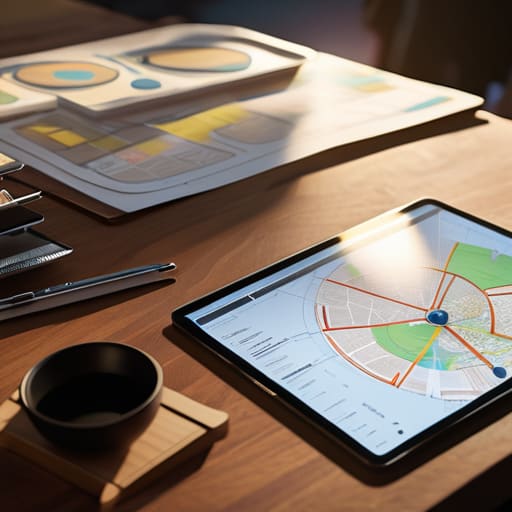
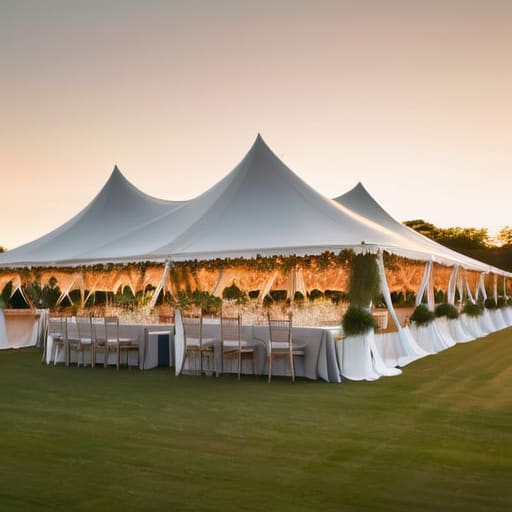
Most people think securing permits for public gatherings is just a matter of ticking a box on a website and waiting for a confirmation email. It isn’t. It’s a paperwork marathon that starts months before the first guest even thinks about their outfit. If you’re planning something that spills out onto the pavement or uses a public park, your special event permit application needs to be airtight. I’ve seen organizers get halfway through a cocktail hour only to have a council officer show up because they hadn’t accounted for the specific noise radius or the exact footprint of the marquee. You don’t want to be the person explaining to a disgruntled crowd why the music has to cut out because you missed a line in the fine print.
The real headache, however, usually hides in the details you didn’t think were your problem. Take copyright laws for live music, for example. You might have a brilliant band lined up, but if you haven’t cleared the rights, you’re essentially hosting an illegal concert. It’s not about being a killjoy; it’s about the fact that compliance isn’t optional. I always tell my clients to build an event compliance checklist that treats every permit like a ticking clock. If the paperwork isn’t sorted, the event doesn’t exist.
Navigating Liquor License Requirements Before the First Pour

Everyone loves the idea of a flowing bar, but nobody talks about the paperwork that keeps the police from knocking on the door at 10:00 PM. When you’re looking at liquor license requirements, you aren’t just checking a box; you are setting the boundaries for the entire evening. If you are hosting something in a space that doesn’t hold a permanent license, your special event permit application needs to be airtight. I’ve seen too many hosts assume they can just “wing it” with a few cases of prosecco, only to find out that their temporary permissions don’t cover the specific way they intended to serve.
You need to treat your event compliance checklist like a holy text. It isn’t just about the alcohol itself; it’s about the ratio of staff to guests, the designated smoking areas, and the strictness of your “last orders” timing. If your license says service ends at midnight, I’m telling your bartenders to stop pouring at 11:30. You can’t argue with the law once the glasses are empty, and trying to squeeze in one last round when the permit has expired is a fast way to turn a celebration into a legal headache.
Five Logistics Truths the Licensing Paperwork Won't Tell You
- Respect the hard stop. When your license says the music ends at midnight, it means the house lights go up and the noise stops at midnight. I’ve seen planners try to “negotiate” with the law at 11:55 PM; you aren’t negotiating with me, you’re negotiating with the council, and the council always wins.
- The “Buffer Zone” is your best friend. If you think your ceremony ends at 2:00 PM and dinner starts at 2:30 PM, you’ve already lost. You need to account for the slow-moving uncle, the guest who can’t find the restroom, and the inevitable delay in the caterer finding their prep station. Plan for thirty minutes of “nothing” to ensure the “something” actually happens on time.
- Power is a finite resource, not a suggestion. People obsess over the floral centerpieces but forget that a mobile DJ, a professional lighting rig, and a coffee station all plugged into the same circuit will trip your breaker before the first toast. Check your load requirements or prepare to host a very expensive, very dark wedding.
- Read the fine print on “Special Event” vs. “Permanent” licenses. If you’re hosting a one-off gala in a space that usually does wakes, the rules for ingress and egress change. If your guest list exceeds the capacity stated on your specific permit, you aren’t “just adding a few more,” you’re running an illegal assembly.
- The “Access Audit” is non-negotiable. A license might grant you the right to host 200 people, but it doesn’t grant you extra doors. If your loading bay is blocked by a florist’s van during the crucial turnaround window, your entire timeline collapses. Logistics is about ensuring the people who make the event happen can actually get into the building.
The Hard Stop and the Real Goal
At the end of the day, licensing isn’t some bureaucratic hoop you jump through just to satisfy a council clerk; it is the structural integrity of your entire evening. We have covered the permits for the crowd, the legalities of the bar, and the fine print that keeps the local authorities from knocking on your door mid-toast. If you miss a deadline or miscalculate your capacity, you aren’t just looking at a fine—you are looking at a prematurely ended party. You can have the most expensive florist in the county and a three-tier cake that looks like a work of art, but if your liquor license is invalid or your public gathering permit is expired, none of that matters. Logistics are the invisible foundation that allows the “magic” to happen without a police escort.
My advice? Stop looking at the licenses as a checklist of chores and start seeing them as the guardrails for your peace of mind. When you nail the paperwork and respect the hard stops, you aren’t just following rules; you are buying yourself the freedom to actually enjoy the event. I’ve seen too many hosts spend their own wedding staring at a clipboard because they were terrified of a breach. Do the heavy lifting now, get the permissions locked in, and respect the clock. When the logistics are bulletproof, you can finally stop being a manager and actually be a guest.
Frequently Asked Questions
What happens if the caterer's setup requires more power or space than my current license actually covers?
This is where the “dream wedding” meets a blown fuse or a blocked fire exit. If your caterer shows up with a mobile oven that needs a dedicated circuit and you’ve only got one socket per wall, you’re in trouble. You can’t just “make it work” by daisy-chaining extension leads; that’s a fire hazard and a breach of your safety plan. Check your floor plan and power specs against their equipment list before they arrive. If the math doesn’t add up, you need a generator or a bigger space, not a miracle.
If my venue's music license ends at midnight, can I legally keep the lights on and the guests talking, or does the whole thing have to shut down?
The music stops, but the room doesn’t have to go dark. When that license hits midnight, the DJ packs up and the bass dies, but your guests aren’t legally required to vanish into the night. You can keep the lights on and the conversation flowing, provided you aren’t selling more alcohol or making a racket. I always tell my couples: plan for the “soft close.” It’s much easier to transition to quiet chats than to face a police visit because you couldn’t kill the vibe.
How do I handle the paperwork for a one-off external vendor, like a food truck or a late-night bar, without risking my own venue's permit?
Don’t let them lean on your permit; that’s a fast track to a headache you don’t need. Treat every external vendor like a separate entity. I demand a copy of their specific public liability insurance and their individual operating license before they even pull into the car park. If they’re serving booze, they need their own temporary permit. If they aren’t covered, they aren’t coming. You protect your venue by making them prove they’re self-sufficient.