If you spend your afternoon scrolling through Pinterest looking at mood boards and velvet drapes, you aren’t actually looking for a venue; you’re looking at a stage set. Most of the wedding blogs out there will give you a “complete guide to choosing a venue” that focuses entirely on the aesthetics, but they forget to mention that a beautiful ballroom is useless if the service lift is broken or the power supply can’t handle a professional DJ and a catering kitchen simultaneously. I’ve spent eighteen years watching gorgeous, high-budget weddings fall apart because someone prioritised the colour of the napkins over the width of the service corridor.
I’m not here to sell you on a dream or tell you which flower arrangements will pop in a photograph. My goal is to give you the unvarnished truth about the logistical backbone of your event. I’m going to walk you through the gritty, unphotogenic details—the loading bays, the licence end times, the acoustic nightmares, and the hidden costs—that actually determine whether your day feels like a seamless celebration or a ticking time bomb.
Table of Contents
An Event Space Checklist for the Unfiltered Realist
When you’re walking through a room, don’t just look at the lighting or the view. Most people walk in and think about where the cake goes; I want you to think about where the rubbish goes. Your event space checklist needs to start with the invisible stuff. Ask about the power supply—not just “is there electricity,” but “can I run a DJ, a coffee machine, and a lighting rig simultaneously without tripping a breaker?” Check the service access. If your caterer has to haul fifty kilos of frozen meat through a narrow corridor past your grandmother, you’ve already lost the battle.
Next, look at the flow. This is where capacity and layout considerations actually matter. A room might be rated for 150 people, but if that number includes a dance floor and a buffet station, you’re actually hosting 110. I’ve seen too many weddings turn into a claustrophobic mess because the floor plan didn’t account for the physical space a single waiter needs to navigate. Before you sign anything, walk the perimeter. If the “grand entrance” is actually a flight of stairs that will take ten minutes to clear, adjust your timeline accordingly.
Event Budget Planning Beyond the Pretty Pictures
Most people approach event budget planning like they’re shopping for a new sofa: they look at the fabric, the colour, and whether it fits the aesthetic of their living room. In my world, that’s how you end up with a beautiful linen tablecloth and no money left to pay the electricity surcharge for the band’s lighting rig. You cannot budget for a wedding based on Pinterest boards. You budget for the things that happen in the dark, in the service corridors, and in the fine print of a contract.
When you’re crunching numbers, stop obsessing over the centrepieces and start looking at the hidden logistical costs. I’ve seen countless budgets collapse because someone forgot to account for vendor requirements, like the specific power draw a professional catering team needs or the extra staff required to manage a transition between a ceremony and a seated dinner. If your venue booking tips don’t include a line item for “unexpected logistical friction,” you aren’t planning; you’re just hoping for the best. And in nine hundred weddings, I’ve learned that hope is not a line item.
The Five Logistics Traps That Will Sink Your Schedule
- Stop looking at the view and start looking at the power sockets. If your band needs a dedicated circuit and your lighting designer needs twelve more, but the venue is running everything off a single daisy-chain of extension leads, your “magical atmosphere” is going to end in a tripped breaker and a very dark dancefloor.
- The “Turnaround Gap” is where weddings go to die. If you have a ceremony in the garden and a reception in the ballroom, you need to account for the thirty minutes it takes to move two hundred people, plus the twenty minutes it takes the catering team to reset the tables. If you haven’t budgeted that transition time, your guests will be standing around with empty glasses looking at their watches.
- Check the loading bay and the service entrance before you sign anything. I’ve seen a dozen “perfect” planners realize too late that the caterer’s van has to park three blocks away because the venue’s service lift is too small for a standard warming trolley. If the food can’t get to the plate efficiently, it’s going to arrive lukewarm.
- Respect the hard stop of the licence end. You cannot negotiate with the local council, and you certainly cannot bribe the police to let the party continue. When I tell a couple they have to be out by midnight, I’m not being a killjoy; I’m preventing a noise complaint that will ensure no one ever books that venue again. Plan your “last orders” and your exit strategy accordingly.
- Test the acoustics of the room when it’s empty, not just when it’s full. A room that sounds intimate during a viewing can turn into a chaotic echo chamber once you add two hundred shouting guests and a bass-heavy DJ. If the room swallows sound, you’ll spend the whole night paying for a PA system that’s working twice as hard for half the result.
The Reality Check
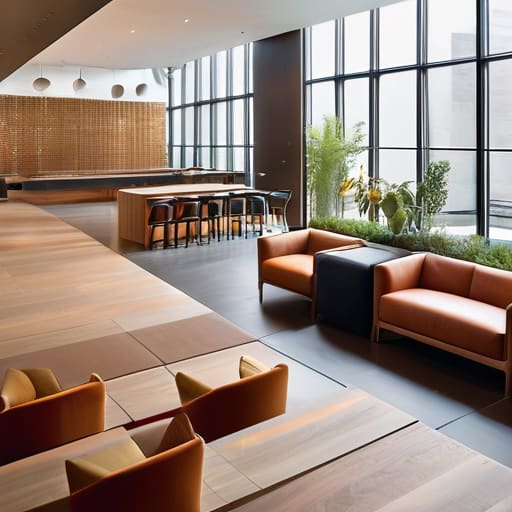
At the end of the day, choosing a venue isn’t about finding the most Instagrammable corner or the most expensive centerpiece; it’s about finding a space that won’t collapse under the weight of your own guest list. You’ve looked at the floor plans, you’ve accounted for the caterer’s footprint, and you’ve hopefully checked the power supply for the band. If you can look at a venue and see the invisible infrastructure—the service corridors, the loading bays, and the way the crowd flows from the ceremony to the bar—then you are already ahead of ninety percent of the people I deal with. Don’t let a beautiful view distract you from a logistical nightmare that will leave your guests standing in a bottleneck with empty glasses.
Look, I get it. You want the magic. You want the day to feel like it drifted into existence without a single person breaking a sweat. But here is the truth from someone who has spent eighteen years behind the scenes: the most magical days are the ones where the logistics are invisible. When the food arrives exactly when the speeches end, when the lighting transitions seamlessly, and when the licence end approaches without a single riot, that is when you know you’ve won. Plan for the friction, build in the buffers, and once the doors open, stop worrying about the mechanics and actually enjoy the party you worked so hard to build.
Frequently Asked Questions
How do I figure out if the venue's "all-inclusive" package is actually a bargain or just a way to hide the cost of basic logistics like power and staffing?
Don’t let the word “all-inclusive” lull you into a false sense of security. Usually, it just means they’ve bundled the basics so you can’t see the markup. I’ve seen “packages” that charge a premium for sparkling water but then hit you with a “service fee” for the staff required to actually pour it. Ask for the granular breakdown. If they won’t tell you exactly how many servers are allocated per guest or what the power surcharge covers, they aren’t offering a bargain; they’re offering a mystery.
What are the specific red flags I should look for during a site visit that won't show up in the professional marketing photos?
When you’re walking the floor, stop looking at the lighting and start looking at the floorboards. Check for uneven surfaces that’ll trip a bridesmaid in heels, and follow the smell—if there’s a hint of damp or stale grease, the HVAC is a disaster. Most importantly, find the service entrance. If the caterers have to haul crates through the main guest foyer to reach the kitchen, your “seamless” transition is going to be a logistical nightmare.
How much buffer time do I actually need to build into the schedule between the ceremony and the first course to avoid a bottleneck at the bar?
Ninety minutes is the gold standard, but don’t get cocky. If you’ve got 150 guests and only one bar, you’re heading for a bottleneck. You need at least forty-five minutes just for the “human shuffle”—photos, bathroom breaks, and the inevitable slow walk to the reception. I always count backwards from the first course: if dinner is at 7:00 PM, the bar better be fully stocked and staffed by 5:30 PM. Anything less and you’re paying for disgruntled guests.