
I once watched a high-end wedding service grind to a halt because a bride thought she could “wing it” with her guest list, only to realize halfway through the main course that three people had severe nut allergies and another was strictly vegan. The caterer was sweating, the guests were staring at empty plates, and the tension was thick enough to cut with a steak knife. Most wedding blogs will give you a complete guide to dietary requirements that focuses on how to make a gluten-free cake look pretty for Instagram, but they completely ignore the logistical nightmare of ensuring that plate actually reaches the right person at the right time without crashing the entire service.
I’m not here to talk about floral garnishes or how to style a dairy-free dessert. I’m here to tell you how to manage the data, how to communicate with your kitchen, and how to prevent a single allergy from becoming a liability on your big day. This is the unvarnished truth about tracking restrictions, managing last-minute changes, and ensuring your guests are actually fed—not just accommodated.
Table of Contents
Decoding Nutritional Restrictions Explained and the Chaos They Cause
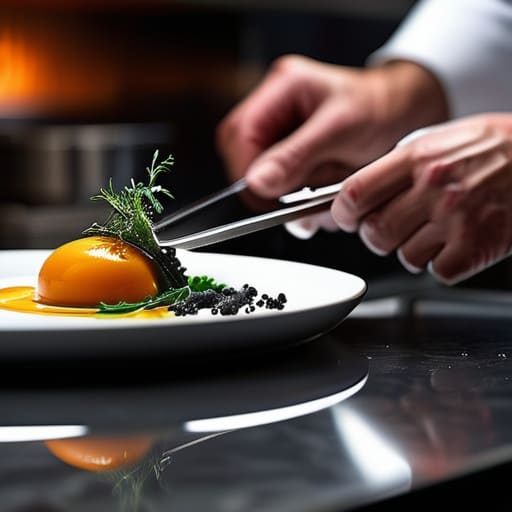
When people talk about nutritional restrictions explained, they usually treat it like a polite request for a different side dish. In my experience, it’s much more high-stakes than that. You aren’t just swapping potatoes for rice; you are navigating a minefield of medical necessity. There is a massive difference between a guest who “doesn’t really like olives” and a guest with a life-threatening peanut allergy. If you treat them with the same level of casualness, you aren’t just failing at hospitality—you’re creating a liability that can shut down your entire service.
The real chaos happens when the kitchen loses track of who gets what. I’ve seen a beautiful wedding service descend into a frantic scramble because the food allergy management plan was nothing more than a scribbled note on a seating plan. Without strict cross-contamination prevention, a single shared spoon can turn a celebratory meal into an emergency room visit. It isn’t about being difficult; it’s about the fact that once the plates hit the table, the margin for error disappears. You need a system that works before the first guest even sits down.
Managing Dietary Needs in Hospitality Without Losing the Momentum
The moment the first course hits the table is the moment the clock starts ticking against your licence end. If you’ve managed dietary needs in hospitality correctly, the guest with the severe nut allergy should feel like a VIP, not a logistical headache. But if you’ve left it to chance, you’ll spend the next forty minutes watching your servers play a frantic game of “who gets the gluten-free plate?” while the rest of the room is halfway through their wine. You want a seamless flow, not a side-show of special plates that arrive ten minutes late and cold.
Effective food allergy management isn’t just about having a separate tray in the kitchen; it’s about the communication loop between the front of house and the pass. I’ve seen too many weddings stall because the service staff didn’t know which guest had which restriction. You need a system—whether it’s color-coded place cards or a precise seating plan—that ensures cross-contamination prevention is baked into the service, not an afterthought. When the logistics are invisible, the event feels effortless. When they aren’t, everyone notices.
Five Ways to Stop Dietary Requirements from Tanking Your Service
- Stop treating dietary requirements like an afterthought for the final week; if you aren’t getting those lists locked down during the initial RSVP phase, you’re just setting your caterer up for a frantic, expensive scramble when the plates hit the table.
- The “Special Meal” trap is real—don’t let your guests feel like they’re eating a sad, separate plate of steamed carrots while everyone else is having the main event; aim for a menu that is naturally inclusive so the gluten-free guest isn’t staring at an empty plate while the wine flows.
- You need a foolproof system for the “Table Mark”—I’ve seen too many weddings where a guest with a severe nut allergy sits down, waits forty minutes, and then has to awkwardly flag down a waiter because their special meal never arrived; use subtle place cards or a coded system that the floor staff actually understands.
- Cross-contamination isn’t just a buzzword, it’s a liability that can end a party faster than a noise complaint; make sure your caterer has a dedicated prep area and that your service staff knows exactly which dishes are “safe” so they aren’t making assumptions on the fly.
- Always, and I mean always, build in a 5% buffer for the “unforeseen”—the guest who forgot to mention their allergy, the cousin who suddenly decides they’re vegan mid-reception, or the person who just can’t stomach the salmon; if you don’t have a contingency plan, you’ll be watching the chaos unfold from the bar.
The Bottom Line on Dietary Logistics
At the end of the day, managing dietary requirements isn’t about being a nutritionist; it’s about controlling the variables before they control you. You’ve got to secure those lists early, communicate them clearly to the kitchen, and ensure your service staff actually knows which plate belongs to the guest with the anaphylactic allergy and which one is just a lifestyle choice. If you treat these requests as an afterthought, you aren’t just risking a guest’s comfort—you are risking the entire rhythm of the service. When the kitchen starts scrambling because a “surprise” vegan guest shows up at the eleventh hour, your timeline begins to bleed, and once you start losing time against the licence end, you never quite get it back.
Look, I know it feels like more paperwork and more things that can go sideways, but getting this right is what separates a professional event from a chaotic one. When every guest feels seen and every plate arrives without a frantic whispered conversation between servers, the logistics disappear and the magic happens. A perfectly executed meal, where no one is sitting there staring at an empty plate while everyone else eats, is the ultimate hallmark of a well-run room. Plan the hard parts with precision, and I promise you, the rest of the night will feel like it was effortless.
Frequently Asked Questions
How do I stop the "special meal" guests from feeling like an afterthought when the rest of the room is already halfway through their main course?
The secret is the “pre-emptive strike.” If the dietary guest is waiting for their plate while everyone else is halfway through a steak, you’ve already lost the room. You need to sync the service so the special meal hits the table exactly thirty seconds before the main rush. It’s about managing the rhythm. If they feel like a logistical hiccup, they will. If they feel like part of the flow, they won’t.
At what point do I stop accepting last-minute dietary changes from guests without making the host look like a disorganized mess?
You draw the line seventy-two hours out. That is the “Point of No Return.” Any change after that isn’t a request; it’s a logistical grenade. If you keep saying yes to the eleventh-hour “oh, I forgot I’m vegan” email, you aren’t being helpful—you’re setting the caterer up for failure and the service for a meltdown. Tell the host: “We lock the menus at T-minus three days to ensure every plate is safe and seamless.”
How do I actually verify that a guest's "severe allergy" isn't just a picky eater trying to get a free upgrade to the premium menu?
Look, I’ve seen it. The guest who “suddenly” develops a life-threatening shellfish allergy the moment they see the lobster tail option. You can’t play detective at the table—that’s a recipe for a scene—but you can manage the data. Demand the specifics via the RSVP form weeks out. If they can’t name the trigger or provide a medical note for a “special” meal, treat it as a preference, not a crisis. Stay clinical, stay firm, and keep the kitchen focused on the real risks.