I’ve spent eighteen years watching people walk through my doors, and if there is one thing I’ve learned, it’s that most wedding blogs are lying to you. They spend thousands on professional photography to show you silk slips and bespoke tailoring, but they never show the guest who spent three hours getting ready only to spend the rest of the night fighting a losing battle against a gravel driveway in four-inch heels. Everyone is so obsessed with the color palette of the bridesmaids that they completely ignore the practical reality of the event. When you’re looking for tips for choosing wedding guest attire, you shouldn’t be looking for a way to win a fashion contest; you should be looking for a way to actually survive the day without a logistical meltdown.
I’m not here to tell you which shade of sage green is trending on Pinterest. I’m here to give you the hard-won, unglamorous truth from someone who has seen a thousand weddings go sideways because of poor planning. I’m going to walk you through the real-world variables—the temperature shifts between the ceremony and the reception, the inevitable dance floor heat, and the importance of footwear that won’t leave you hobbling by the time the cake is cut. This is about making sure you look decent while remaining fully capable of navigating the event from the first toast to the final licence end.
Decoding Wedding Dress Code Etiquette and Real World Expectations
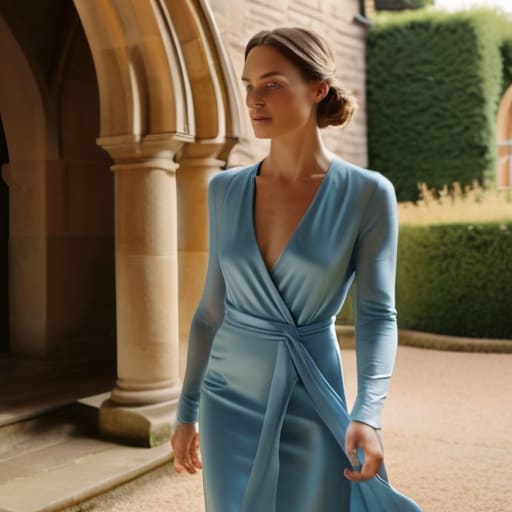
Now, here is where the logistics really bite: the transition from the ceremony to the evening reception. You might find yourself moving from a climate-controlled chapel to an outdoor marquee, or a formal dining hall to a dance floor that’s about to get sweat-soaked. If you aren’t planning for these shifts, you’ll end up being the person shivering in a thin blazer or overheating in a heavy gown. I always tell people to check the venue’s layout and the intended flow of the evening before they commit to a single garment. It’s also worth considering the social energy of the crowd; sometimes, finding a bit of an escape or a way to decompress with some adult chat France can be the mental reset you need if the formal expectations of the day start feeling a bit too heavy. Ultimately, you want to be able to move through the space without your clothes becoming a logistical hindrance to your ability to actually enjoy the party.
When you see “Black Tie” or “Semi-Formal” on an invitation, don’t just look at the words; look at the clock and the venue. Most people treat formal vs semi-formal wedding attire as a fashion choice, but in my experience, it’s a logistical one. If I’ve told a couple they are hosting a “Black Tie” event in a converted barn with uneven floorboards, I already know half the guest list is going to be struggling with their footwear by 9:00 PM. You aren’t just dressing for a ceremony; you are dressing for the three hours of standing during the drinks reception and the inevitable shuffle toward the dance floor.
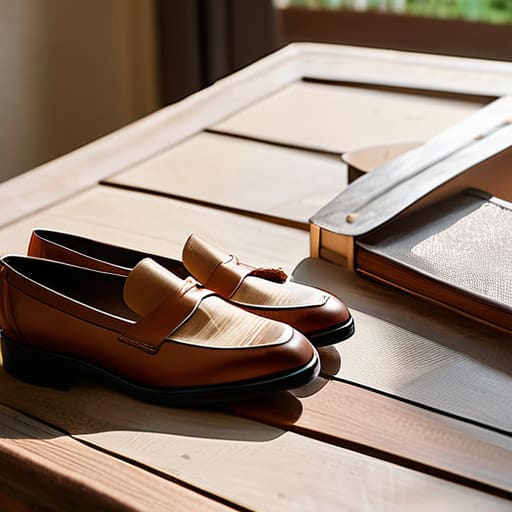
The real trap is ignoring the environment in favor of the aesthetic. You can follow every wedding dress code etiquette rule in the book, but if you turn up in suede loafers to a garden wedding in July, you’ve missed the point. I’ve seen guests look spectacular in photos only to spend the rest of the night looking miserable because they didn’t account for the heat or the terrain. Dress for the venue, not just the invitation. If there’s grass, avoid the stilettos. If there’s no AC, leave the heavy velvet at home.
Formal vs Semi Formal Wedding Attire Planning for the Transition
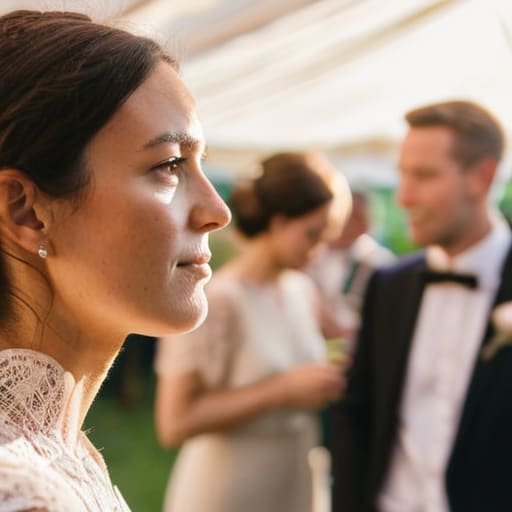
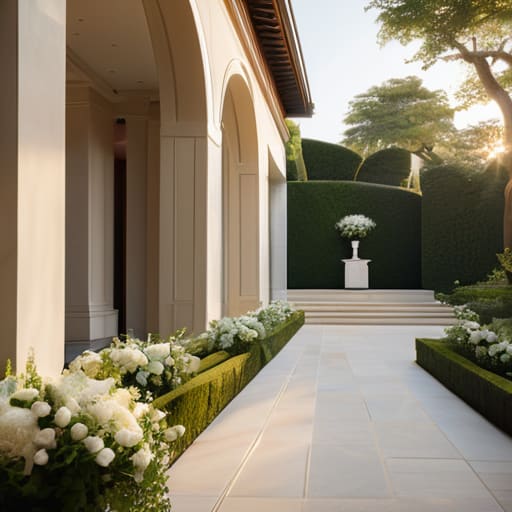
Here is the reality of the “transition”: most weddings aren’t a single, static event; they are a series of shifting logistics. You might start with a high-church ceremony requiring strict formal attire, only to move into a marquee or a garden setting for the reception. This is where the distinction between formal vs semi-formal wedding attire becomes a practical nightmare rather than a fashion choice. If you show up in a heavy, structured suit or a floor-length gown only to find the dinner is being served in a tent with zero airflow, you aren’t going to be enjoying the meal—you’ll be calculating how many minutes remain until you can reasonably escape to the cloakroom.
I’ve seen it a hundred times: guests looking miserable because they prioritized the aesthetic over the environment. If the schedule involves moving from a stone chapel to a lawn, your choice of appropriate footwear for outdoor weddings is more important than the brand on your label. A stiletto on a damp lawn is a recipe for a twisted ankle and a ruined evening. Plan for the movement, check the terrain, and always account for the temperature drop once the sun goes down and the licence end approaches.
The Logistics of Looking Good: Five Rules for Surviving the Day
- Check the terrain before you commit to the footwear. I’ve seen a perfectly good silk dress ruined by a gravel driveway, and I’ve seen a man in expensive brogues spend the entire reception hobbling because he didn’t account for a lawn. If there’s grass, there’s mud, and if there’s mud, you want a block heel or a flat. Don’t be the person I have to watch struggle across the courtyard while everyone else is at the bar.
- Respect the “Licence End” of your comfort. A wedding isn’t a two-hour sit-down lunch; it’s a marathon that starts with a ceremony and ends with a crowd of hungry, slightly tipsy people trying to navigate a crowded dance floor. If your outfit requires constant adjusting, pinning, or holding up, you aren’t enjoying the wedding—you’re managing your clothes. Plan for the transition from “ceremony stiff” to “reception movement.”
- Layer for the temperature shifts. Most venues are either freezing during the ceremony because the AC is fighting the summer heat, or stifling during the dinner because two hundred bodies are generating heat in a closed room. If you don’t have a layer that actually looks intentional, you’ll spend the whole night shivering or sweating, and neither look good in the professional photos.
- Consider the “Drink in Hand” factor. This is a logistical reality no one mentions: how easy is it to hold a glass, a plate, and a conversation simultaneously? If your sleeves are too long and dragging through the sauce, or if your outfit makes it impossible to navigate a crowded buffet line without a wardrobe malfunction, you’ve made a tactical error.
- Don’t let the “Pinterest Aesthetic” override the venue’s reality. People see a photo of a beach wedding and think “linen everything,” forgetting that the wind will whip that fabric around and the salt air will ruin it by 4 PM. Look at the venue’s actual setup—the lighting, the seating, the level of formality—and dress for the environment, not the mood board.
The Final Checklist
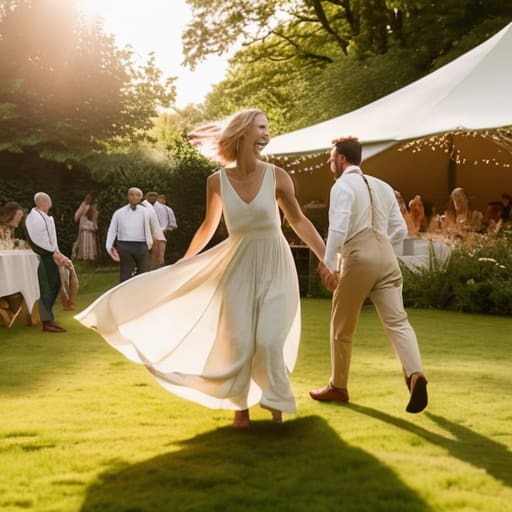
At the end of the day, choosing what to wear isn’t just about matching the colour palette of the bridesmaids or looking good in a candid shot. It is about respect for the timeline and the terrain. If you’ve checked the dress code, accounted for the temperature shifts between a sun-drenched ceremony and a drafty marquee, and ensured your footwear won’t sink into a manicured lawn, you’ve done the heavy lifting. Remember, the most expensive silk suit in the world won’t save you if you’re sweating through it by 8:00 PM because you ignored the logistical reality of a summer outdoor wedding. Plan for the movement, the heat, and the transition from formal toasts to the dance floor, and you’ll actually be able to enjoy the party instead of managing your own discomfort.
I’ve stood at the back of a hundred rooms, watching guests struggle with impractical choices, and I can tell you this: the people who have the most fun are the ones who aren’t fighting their clothes. When you stop worrying about whether your outfit is “on trend” and start focusing on whether it works for the actual environment, you become a seamless part of the event rather than a distraction. An event is a complex machine of timings and people; don’t let your wardrobe be the one thing that jams the gears. Dress smart, dress appropriately, but above all, dress for the reality of the day, and you’ll be exactly where you should be—on the dance floor when the licence is about to end.