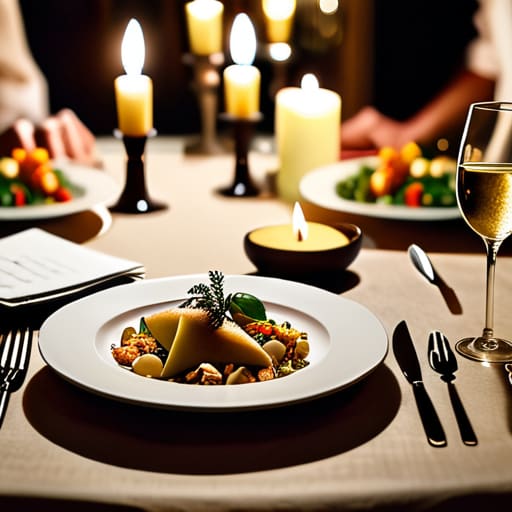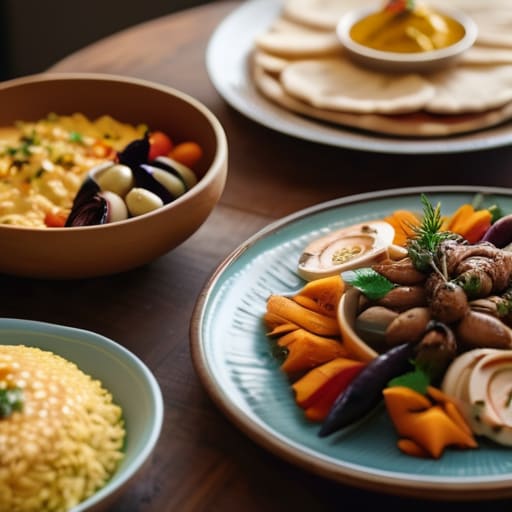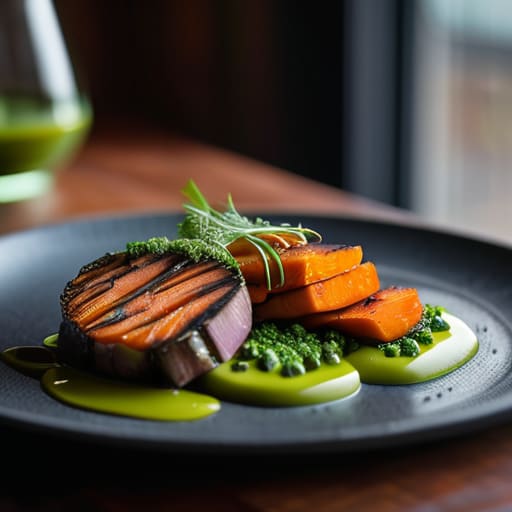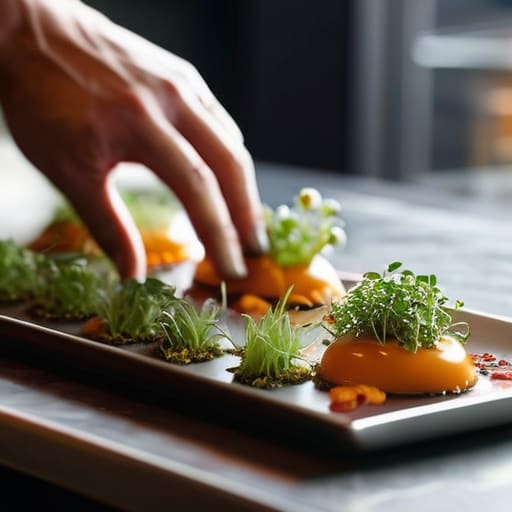
I once watched a bride spend three months obsessing over a five-course tasting menu featuring truffle-infused foam and micro-greens, only to watch her entire wedding schedule collapse because the kitchen couldn’t plate forty delicate appetizers before the speeches started. Everyone tells you that designing a menu is about finding the perfect flavor profile or the most Instagrammable plating, but they are lying to you. If you want to learn how to design an event menu that actually works, you need to stop thinking like a food critic and start thinking like a logistics manager. A menu isn’t just a list of ingredients; it is a sequence of movements that must survive the chaos of a crowded room and a ticking clock.
I’m not here to talk to you about seasonal garnishes or color palettes. My promise is much more practical: I am going to show you how to build a menu that respects your timeline, your budget, and your service staff. We are going to look at the math behind the meal—calculating prep times, managing dietary restrictions without slowing the flow, and ensuring your guests actually get to eat while the party is still moving. This is about real-world execution, not just pretty pictures.
Table of Contents
Guest Preference Assessment and the Myth of Universal Taste
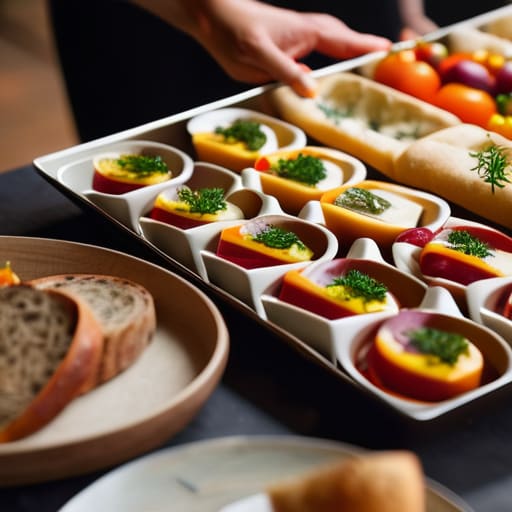
Everyone wants to be the host who offers a “curated culinary experience,” but let’s be honest: you aren’t designing a menu for a food critic; you’re designing it for a room full of people who are hungry, potentially slightly tipsy, and have wildly conflicting expectations. The biggest mistake I see is the assumption of universal taste. You might think a deconstructed truffle risotto is a triumph, but if half your guest list is nursing a hangover or hasn’t eaten since breakfast, they’ll just see a complicated plate that’s taking too long to arrive. Real guest preference assessment isn’t about finding the one dish everyone loves—that doesn’t exist—it’s about identifying the common denominators that prevent a localized mutiny.
This is where most people trip up during the dietary restriction management phase. They treat allergies like a checkbox at the bottom of a spreadsheet, a nuisance to be handled by a separate, sad plate of steamed vegetables. If you don’t bake those requirements into the core architecture of the menu, you aren’t planning an event; you’re managing a crisis. You need to design for the outliers from the start so that the “special” meal doesn’t look like an afterthought delivered ten minutes after the main course has been cleared.
Seasonal Ingredient Sourcing vs the Reality of Supply Chains
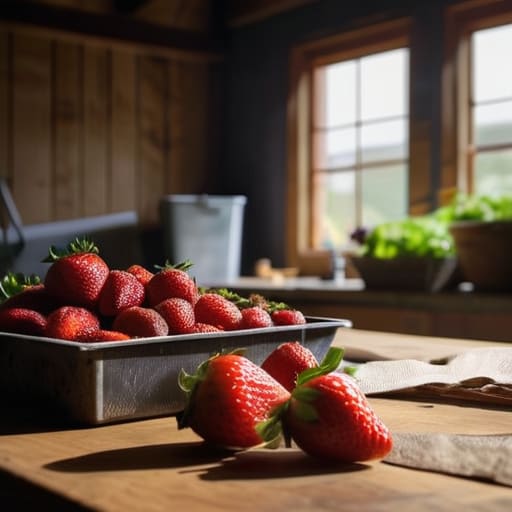
Every wedding planner loves to talk about seasonal ingredient sourcing like it’s a poetic choice made by a chef in a sun-drenched garden. In reality, seasonality is often a battle against a broken supply chain and a vendor who just called to say the strawberries are currently sitting in a shipping container somewhere in the middle of the Atlantic. You can design the most beautiful, seasonal menu on paper, but if your supplier can’t guarantee the delivery by 10:00 AM on the day of the event, that “farm-to-table” dream becomes a logistical nightmare.
When you are deep in the weeds of catering budget planning, you have to account for this volatility. A sudden frost or a transport strike can send the price of your centerpiece ingredient through the roof, forcing you to make a choice: eat the cost or change the menu forty-eight hours before the guests arrive. I’ve seen too many hosts get caught out by a menu that is too rigid. You need a plan that allows for substitutions without making the plate look like an afterthought. True menu design isn’t just about what tastes good; it’s about what can actually show up on time.
The Five Logistics Traps That Will Break Your Menu
- Stop designing for the plate and start designing for the clock. You can serve the most exquisite, slow-braised short rib in the world, but if your kitchen team can’t plate two hundred of them in the twenty-minute window before the speeches start, you aren’t serving a meal—you’re managing a hostage situation.
- The “Dietary Requirement” Domino Effect. Every time you add a “special” vegan or gluten-free option, you aren’t just adding a plate; you are adding a separate workflow. If your menu is too complex, your servers will end up playing detective with every course, and by the time the main arrives, half the room will be staring at empty hands.
- Watch your service footprint. I’ve seen planners pick a gorgeous, heavy buffet menu only to realize the venue’s service corridor is barely wide enough for a single trolley. If your guests have to queue in a bottleneck for forty minutes to get a single slider, they aren’t enjoying the food; they’re counting the minutes until the licence ends.
- Temperature is a logistical variable, not a culinary one. A dish that relies on being “piping hot” is a massive risk in a room of two hundred people. By the time the last table gets their steak, the first table is eating lukewarm protein. Design a menu that holds its integrity even if the service hits a fifteen-minute snag.
- The Beverage Bottleneck. A menu isn’t just food; it’s the liquid that follows it. If you pair a heavy, multi-course meal with a complex cocktail list, you are setting your bar staff up for a massacre. Match the complexity of the drink to the speed of your service, or prepare to watch your guests’ mood tank as they wait for a gin and tonic.
The Bottom Line on the Plate
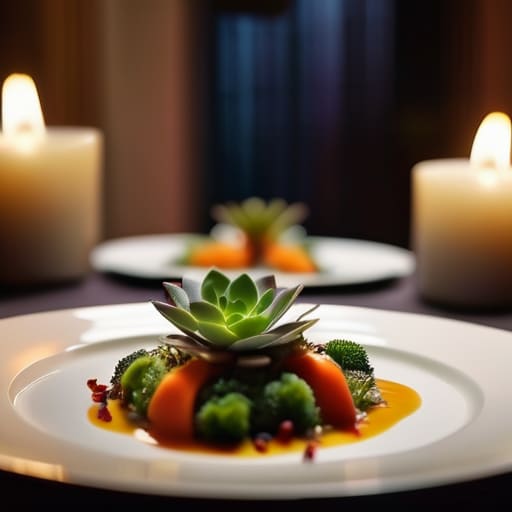
At the end of the day, designing a menu isn’t a creative writing exercise; it’s a tactical deployment of resources. You’ve looked at the guest preferences, you’ve wrestled with the reality of what the suppliers can actually deliver on a Tuesday in November, and you’ve hopefully accounted for the dietary minefield. But remember, none of that matters if the food arrives lukewarm because you didn’t account for the walk from the kitchen to the table. A menu succeeds when the logistics disappear, leaving the guests to enjoy the meal rather than wondering why their steak is cold or why the vegetarian option looks like an afterthought. If you manage the timing and the supply chain as carefully as you manage the flavor profiles, you’ve already won half the battle.
Don’t let the glossy wedding magazines fool you into thinking a great event is built on aesthetic alone. The most memorable meals aren’t necessarily the ones with the most expensive truffles; they are the ones that flow seamlessly within the rhythm of the evening. When you plan for the reality of the kitchen, the constraints of the licence, and the actual movement of people, you create something far more valuable than a pretty plate. You create an environment where people can actually relax and eat. Build your menu on a foundation of practicality and precision, and I promise you, nobody will notice the hard work—and in this business, that is the highest compliment you can receive.
Frequently Asked Questions
How much time do I actually need to bake in for the service to run smoothly without the food arriving cold?
You don’t “bake in” time; you build a buffer for the inevitable. If your ceremony ends at 2:00 PM, don’t even think about plating at 2:30 PM. You need a forty-five-minute window for the transition, the bar rush, and the caterer to find their rhythm. If you haven’t accounted for the ten minutes it takes for a kitchen to actually clear a bottleneck, you aren’t planning a dinner—you’re planning a cold buffet.
How do I handle the inevitable surge of last-minute dietary requirements without blowing the budget or the kitchen's capacity?
Stop treating dietary requirements like a polite suggestion and start treating them like a hard deadline. You can’t “wing it” with a gluten-free guest at 8:00 PM when the kitchen is already drowning. Build a 5% buffer into your final headcount for the “unforeseen” guests, and ensure your caterer has two standardized, high-quality vegan/allergy-friendly plates ready to go. It’s cheaper to pay for two extra plates now than to have a meltdown during service.
At what point does a complex, multi-course menu become a logistical nightmare for the floor staff and the venue's power supply?
It’s the moment you add a fourth course or a complex, plated dessert that requires a blowtorch. Suddenly, you aren’t just feeding people; you’re running a high-stakes race against the licence end. Every extra dish adds ten minutes to the service window and another massive draw on the kitchen’s power. If your caterer is fighting a blown fuse while my floor staff are tripping over each other to plate salmon, the “experience” is dead.