If you spend any time on Pinterest or wedding blogs, you’ll be told that a “complete guide to wedding music” is all about finding the perfect, most soulful acoustic cover of a Taylor Swift song to play while you walk down the aisle. That’s lovely, but it’s also a load of rubbish if you haven’t considered the logistics. I’ve stood in the wings of hundreds of receptions watching a beautiful, curated playlist fall apart because the couple forgot to account for the transition from dinner to dancing, or because the DJ didn’t have enough power outlets to run the subwoofers without tripping a breaker. Music isn’t just a vibe; it’s a series of timed transitions that can either drive a party or leave your guests staring awkwardly at their empty wine glasses.
I’m not here to tell you which songs are trending on TikTok. Instead, I’m going to give you the practical reality of how to manage your sound, your setup, and your schedule. We’re going to talk about the unseen gaps in your timeline, how to brief a performer so they don’t blow your budget, and how to ensure the music actually keeps the floor moving until the licence ends. This is the guide for people who want a wedding that sounds great, rather than one that just looks good in a photo.
Table of Contents
Mastering the Wedding Music Timeline and Transition Gaps
Most people treat a wedding music timeline like a list of songs, but in my experience, it’s actually a map of potential disasters. You don’t just need a list of wedding ceremony song ideas; you need to account for the “dead air” that happens when the celebrant finishes and the guests are shuffling from the aisle to the bar. If you haven’t planned for that twenty-minute transition, you’ll end up with a room full of people staring at each other in an awkward, heavy silence. I’ve seen more weddings lose their momentum in those gaps than they ever did on the dance floor.
The real danger zone is the pivot from dinner to the party. Whether you are debating live music vs dj for weddings, the transition requires more than just a volume knob turn. You need to bridge the gap between the polite background ambiance of the meal and the high-energy reception playlist essentials. If the music doesn’t shift with purpose, people stay seated, the energy stays low, and you’re fighting an uphill battle against the licence end. Plan for the silence, and you’ll actually master the sound.
Navigating the Live Music vs Dj for Weddings Dilemma
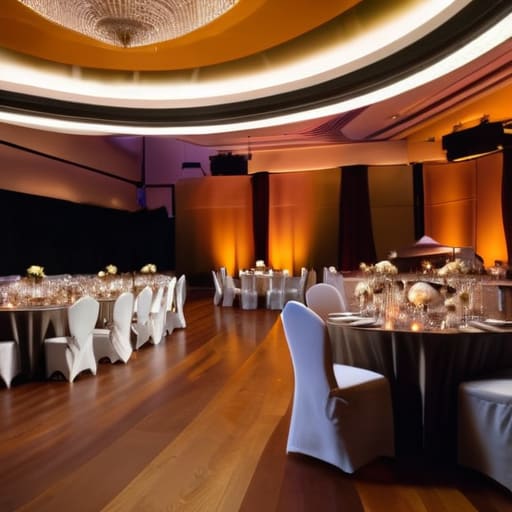
The debate over live music vs dj for weddings usually starts with the aesthetic, but it always ends with the logistics. A live band is a spectacular visual—it adds energy, prestige, and that visceral feeling of a real performance. But from where I stand behind the soundboard, a band is a massive footprint. You aren’t just paying for musicians; you are paying for stage space, extra power draws, and a specific window in your wedding music timeline where they need to soundcheck without drowning out the guests’ pre-dinner drinks. If you go the band route, you need to be certain your floor plan can handle the gear without turning your dancefloor into a narrow corridor.
A DJ, conversely, is the ultimate tool for efficiency. They take up less space, require less power, and can pivot instantly if the mood shifts. If the aunties are tearing up the floor, they keep the tempo up; if the energy dips, they can pull from your reception playlist essentials to bridge the gap. When you are calculating your wedding entertainment budget, don’t just look at the quote—look at the “hidden” costs of the band’s footprint versus the DJ’s versatility. One is a statement; the other is a precision instrument.
Five Logistics Checks Before You Sign the Music Contract
- Check the power requirements and the floor plan. I’ve seen more weddings derailed by a blown fuse or a DJ tripping over a guest’s chair than by a bad song choice. If your venue has limited outlets, ensure the band isn’t planning to run a light show that pulls more juice than the kitchen uses for the main course.
- Account for the “Dead Air” buffer. You need to plan for the gaps—the fifteen minutes when the photographer is moving people, the caterer is resetting the tables, or the bridal party is making a late entrance. If your playlist doesn’t have high-quality, low-volume background tracks to fill those specific logistical voids, the room will feel empty and awkward.
- The “Licence End” reality check. If your licence ends at midnight, your music shouldn’t be scheduled to finish at midnight. You need to work backward from that hard stop. If the DJ is planning a massive crescendo at 11:55 PM, they’ve failed the logistics test. Plan for a gradual wind-down so guests aren’t being shoved out the door mid-beat.
- Map out the “Audio Zones.” A wedding isn’t one big room; it’s a series of different atmospheres. You need enough volume to drive the dance floor, but you also need to ensure the elderly relatives at the dining table aren’t having to shout over a bassline just to ask for the salt. If the sound isn’t zoned, the evening will fracture.
- Confirm the load-in and setup window. A band that arrives forty minutes before the ceremony starts is a liability. I always look for vendors who understand that “setup time” means they need access to the service entrance and a clear path to the stage well before the first guest arrives. If they are fighting the catering team for space in the hallway, you’ve already lost the afternoon.
The Final Countdown
At the end of the day, a successful music plan isn’t just about a killer playlist; it’s about the invisible scaffolding that holds the evening together. You’ve looked at the trade-offs between the raw energy of a live band and the seamless versatility of a DJ, and you’ve mapped out those critical transition gaps that usually catch people off guard. Remember that your music needs to respect the clock—specifically that licence end time that isn’t moving for anyone. If you account for the power requirements, the transition from cocktail hour to the first dance, and the logistical reality of how sound travels in your specific room, you aren’t just planning a party; you are managing the energy of the room before it has a chance to dip.
People will tell you that the music is there to set a mood, and they aren’t wrong, but don’t let the aesthetics blind you to the mechanics. When the lights go down and the first track hits, the guests won’t be thinking about your Spotify algorithm or your expensive brass section; they’ll be feeling the rhythm of a night that actually flows. If you do the heavy lifting on the logistics now, you get to stop being a project manager and start being a guest. My advice? Get the timings right, secure your power sources, and then let the music do the work while you actually enjoy the wedding you worked so hard to build.
Frequently Asked Questions
How much extra time and power capacity do I actually need to factor in if I decide to swap from a live band to a DJ halfway through the night?
You need at least forty-five minutes for the swap, and that’s if the DJ is a professional who doesn’t need a nap. You have to account for the band packing their gear, the DJ setting up their decks, and that awkward, silent gap where guests just stare at each other. Power-wise, don’t assume they can share a circuit. If the band is plugged into the main feed, give the DJ his own dedicated line to avoid blowing a fuse mid-drop.
At what point in the evening does the music volume become a legal liability for the venue, and how do I plan the playlist to avoid a noise complaint?
The music becomes a liability the moment your neighbors start looking at their watches. Usually, that’s about ninety minutes before your licence end. If you’re pushing bass-heavy tracks right up until the final song, you’re asking for a knock on the door. Plan your playlist on a downward curve: high energy for the dance floor, but taper the volume and the BPM as you approach the curfew. Don’t let a noise complaint be your final encore.
If we are working with a tight turnaround between the ceremony and the reception, how do we manage the audio setup without delaying the drinks service?
You don’t solve this with better playlist curation; you solve it with floor plans and power cables. If your ceremony and reception are in the same room, your musicians need to be “plug and play” or tucked away in a corner that doesn’t intersect with the bar queue. I’ve seen too many receptions stall because the DJ was still wrestling with a tripod while guests stood there with empty glasses. Set up the tech before the first guest arrives.