I once watched a wedding planner spend forty minutes debating the aesthetic merits of micro-greens while a line of thirty hungry guests formed like a slow-moving riot near the buffet. She was focused on the “look,” but I was looking at the empty trays and the growing tension in the room. Most wedding blogs will give you a tidy little spreadsheet and tell you to follow the math, but they never account for the human variable. They don’t tell you that knowing how to calculate food quantities for guests isn’t about matching a number on a guest list to a gram of protein; it’s about predicting the appetite of a room full of people who have been sipping champagne on an empty stomach for two hours.
I’m not here to sell you a lifestyle or a color palette. I’m here to give you the logistics of the plate. Over nine hundred events, I’ve learned exactly where the math fails and where the reality of a hungry crowd takes over. I’m going to show you how to budget for the heavy hitters, account for the “grazers,” and ensure you don’t end up with a mountain of expensive leftovers or, worse, a room full of hangry relatives staring at you during the first dance.
Buffet Style Serving Estimates Avoiding the Empty Platter Crisis
Then there’s the issue of the dietary requirements, which is where most planners lose their grip on the logistics. You can’t just assume a “vegetarian option” covers everything; you have to account for the gluten-free, the nut-allergy, and the person who simply won’t touch anything that isn’t strictly kosher. I’ve seen too many weddings where the kitchen runs out of the “safe” food by the second table, leaving half the room staring at a plate of garnish. If you’re feeling overwhelmed by the sheer volume of individual needs, I usually suggest getting organized early with a clear spreadsheet or even checking out some personals online to see how others are managing their guest lists and specific requirements. It’s about building a buffer into your numbers so that when the unexpected dietary demand hits at 8:00 PM, you aren’t left scrambling for a sandwich.
Buffets are a beautiful lie. On paper, they look like a way to save money and offer variety; in practice, they are a high-stakes game of Tetris played with expensive proteins. The biggest mistake I see is people treating a buffet like a static display. If you don’t account for the “scoop factor”—the fact that some guests will take a mountain of mash and leave the beef untouched—you’re going to run out of the good stuff by the third person in line. When you’re working through buffet style serving estimates, you have to stop thinking about single portions and start thinking about volume.
You need to balance the heavy hitters with the fillers. I always tell my clients that calculating appetizers vs main courses is where the budget lives or dies. If you’ve had a long cocktail hour, your guests aren’t looking for a nibble; they are looking to replenish. Aim for a heavy hand on the starch and seasonal greens to pad the plates, but ensure your protein count is based on the hungry reality of the room, not the polite estimate on your spreadsheet.
Calculating Appetizers vs Main Courses to Prevent Mid Event Slumps
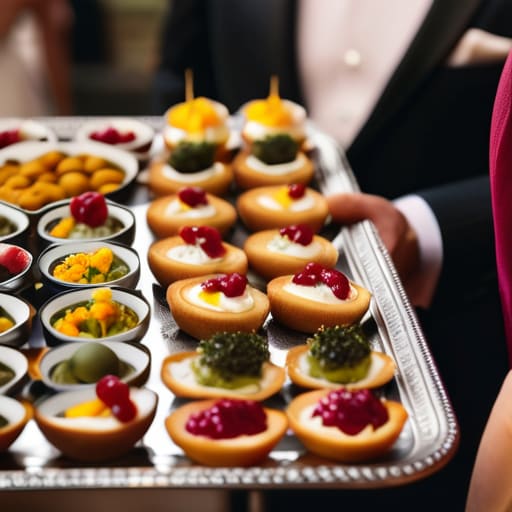
Here is the reality of the “cocktail hour” trap: people treat appetizers like a light snack when, in truth, they are the primary fuel source for the first ninety minutes of chaos. If you are running a long gap between the ceremony and the sit-down meal, your guests aren’t looking for a delicate morsel; they are looking for a lifeline. When calculating appetizers vs main courses, you have to account for the “hunger curve.” If the speeches are delayed or the photographer is running behind, those tiny canapés disappear in minutes. I’ve seen weddings where the trays were cleared before the first toast was even finished, leaving guests staring at empty cocktail tables like they’d just survived a famine.
To avoid that mid-event slump, you need to stop thinking in “pieces” and start thinking in stomach volume. For a standard reception, I tell my clients to aim for roughly six to eight pieces per person if a meal follows shortly, but if you’re doing a heavy hors d’oeuvres-only evening, you better double that. You aren’t just buying food; you are managing the energy levels of a room. If the appetizers fail, the mood sours, and once the guests get “hangry,” no amount of expensive floral arrangements will save your evening.
The Logistics of the Larder: 5 Rules for Not Running Dry
- Stop counting heads and start counting appetites. A group of thirty-somethings at a corporate conference eats fundamentally differently than a crowd of sixty relatives at a Sunday wedding. If you’re hosting a crowd that’s been drinking since the ceremony, you need to increase your carb and protein estimates by at least 15%. A hungry crowd is a restless crowd, and a restless crowd is a nightmare for my floor staff.
- The “Buffer” is not a suggestion, it’s survival. I’ve seen too many planners budget for exactly 100 portions for 100 guests and then watch the panic set in when the 98th person takes a double helping of the roast. Always add a 5% to 10% margin. It’s cheaper to have a few extra trays of lasagna in the kitchen than it is to deal with the awkward silence of a room full of people staring at empty platters.
- Account for the “Hidden Eaters”—the staff. If you have a crew of twelve catering staff, two photographers, and a band, they aren’t just standing there looking pretty; they are hungry. If you don’t include them in your quantity calculations, someone is going to end up raiding the buffet mid-service, and that’s a logistics failure you don’t want on your conscience.
- Factor in the “Flow vs. Volume” problem. It doesn’t matter if you have enough food if it takes forty minutes to get through the line. If you’re doing a heavy buffet, you need more volume because people tend to load their plates higher when they see the food is available. If you’re doing plated service, your math is easier, but you better ensure the kitchen has the burner capacity to push those plates out in waves, or your first table will be finished before the last one has even seen a fork.
- The Drink-to-Food Ratio is a trap. People think food quantities are just about the plate, but the timing of your service matters more. If there is a two-hour gap between the cocktail hour and the main meal, your guests will treat the canapés like a full dinner. You can’t just serve “light bites” if the gap is that long; you’ll be looking at a room of people who are essentially “hangry” by the time the main course arrives. Plan the food density to match the clock.
The Final Countdown to Service
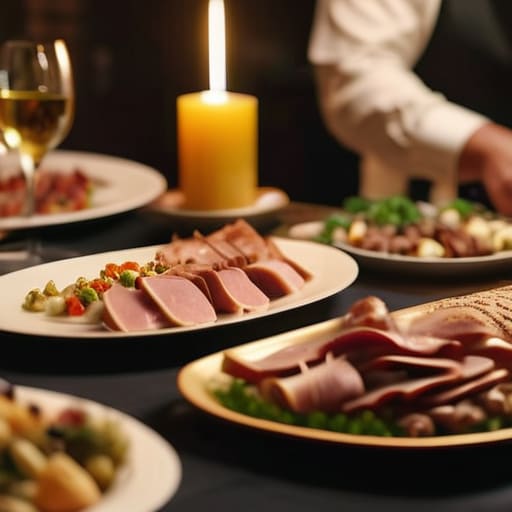
At the end of the day, calculating food isn’t about hitting a perfect mathematical constant; it’s about managing the unpredictable appetite of a room full of people. You’ve looked at your buffet buffers, you’ve balanced your appetizers against the main course to avoid that dreaded 9:00 PM energy crash, and you’ve accounted for the heavy hitters who will treat the carving station like a personal buffet. Just remember that your numbers need to account for the gap between the ceremony and the first plate hitting the table. If you’ve done the math on the hungry reality of your guest list rather than just the headcount on the RSVP card, you are already ahead of ninety percent of the planners I deal with.
Don’t let the fear of a little waste keep you from being generous, but don’t let a lack of logistics turn your beautiful event into a hungry scramble. When the music is playing and the lights are dimmed, your guests won’t remember if there was exactly 5% too much risotto in the kitchen; they will remember if they felt taken care of. A well-fed guest is a happy guest, and a happy guest is much easier to manage when the licence end is looming and the dance floor is calling. Plan the logistics hard, so that when the night actually happens, it looks—and feels—completely effortless.