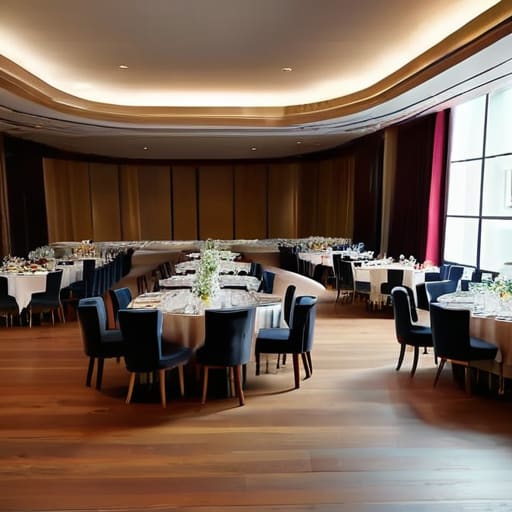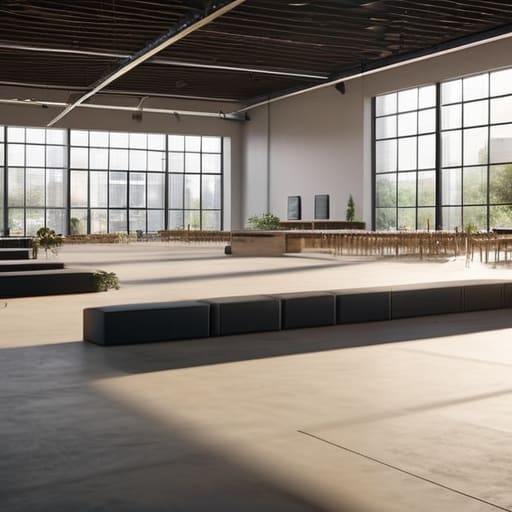
I once watched a wedding planner spend forty minutes arguing with a couple about the shade of sage on the linen napkins, while behind her, a hundred hungry guests were staring blankly at an empty buffet line because the caterer had no clear path to the service station. It was a disaster in slow motion. Most people think managing a crowd is about the food itself, but if you’re looking for real ways to manage large group catering needs, you need to stop obsessing over the truffle oil and start looking at the floor plan. If you haven’t accounted for the physical space required for a team to move without tripping over a centerpiece, your expensive menu is just a recipe for a bottleneck.
I’m not here to sell you on a Pinterest-perfect aesthetic or a list of trendy appetizers that are impossible to eat while standing up. I’m going to give you the unvarnished truth about the logistics that actually matter—the stuff that keeps a room running smoothly from the first passed canapé to the final, frantic push before the licence ends. We’re going to talk about flow, service timings, and how to ensure your guests actually get fed without the whole operation grinding to a halt.
Event Food Service Logistics and the Illusion of Ease
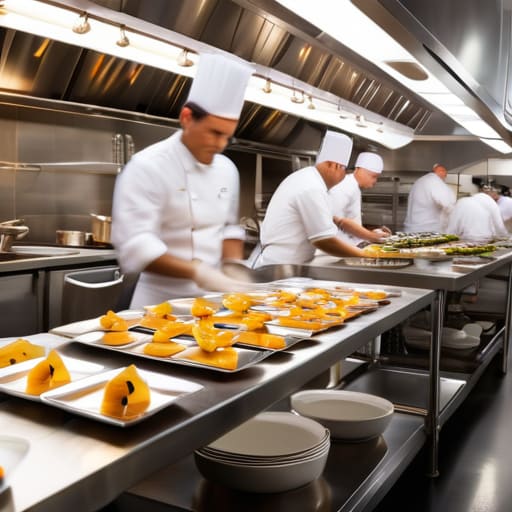
Everyone loves the idea of a seamless banquet, but that “effortless” feeling is usually a carefully constructed lie. In my experience, the gap between a beautiful menu and a functional dinner comes down to one thing: event food service logistics. You can have the most exquisite sea bass on the planet, but if your kitchen layout doesn’t allow for a smooth plating line, or if your service staff is tripping over each other in a narrow corridor, that sea bass will be lukewarm by the time it hits table twelve.
The real battle is won or lost in the buffet vs plated service efficiency debate. A plated meal looks sophisticated in the brochures, but it requires a small army of servers to hit every table within a ten-minute window to ensure the food stays hot. If you’re leaning towards a buffet to save on labor, you better have a plan for the inevitable bottleneck at the start of the line. I’ve seen “elegant” buffets turn into a chaotic scramble because nobody accounted for the sheer physics of two hundred people trying to navigate a single service station. It’s not about the food; it’s about the flow.
Buffet vs Plated Service Efficiency the True Cost of Flow
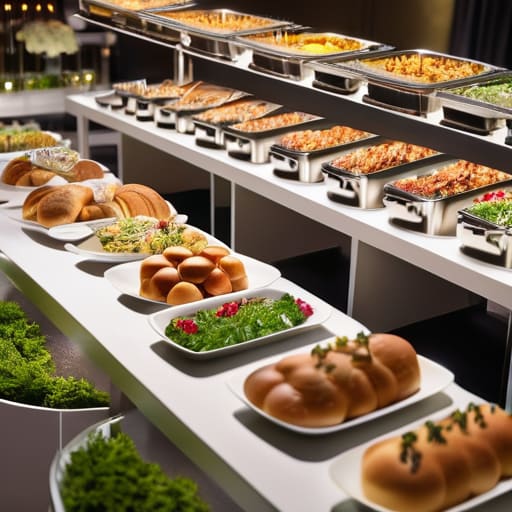
Everyone loves the idea of a grand buffet—it feels abundant, social, and frankly, easier on the pocket. But after nine hundred weddings, I can tell you that a buffet is just a controlled queue waiting to happen. If you don’t account for the physics of the room, you’ll end up with eighty people standing around a chafing dish while their guests are already halfway through their wine. When you’re calculating buffet vs plated service efficiency, you aren’t just looking at the food; you’re looking at the floor space. You need enough room for the line to snake without blocking the service entrance or, heaven forbid, the path to the bar.
Plated service is the elegant alternative, but don’t let the “seamless” marketing fool you. It’s a high-stakes game of synchronized movement. If your kitchen isn’t prepared for the sheer velocity of large scale meal planning, you’ll have the first table eating their steak while the last table is still staring at an empty bread basket. It’s not just about the menu; it’s about the math of the hands required to move those plates. If you choose plated, you’re trading the chaos of the queue for the precision of the clock.
Five Ways to Keep Your Catering from Becoming a Controlled Chaos
- Stop designing menus based on what sounds good on a tasting plate and start designing them based on your service window. If you’ve only got ninety minutes between the ceremony and the speeches, and you’ve chosen a three-course meal that requires delicate plating, you aren’t hosting a dinner; you’re hosting a race against the clock. Pick dishes that hold heat and can be moved in bulk without losing their soul.
- Map your “back of house” footprint before you sign the contract. I’ve seen more weddings derailed by a caterer trying to squeeze a massive prep station into a corner meant for a linen cupboard than by any actual kitchen mishap. If your catering team doesn’t have a clear, unobstructed path from the heat to the table, your food will arrive lukewarm and your staff will be tripping over themselves.
- The “Drink Bottleneck” is real, and it’s a momentum killer. If you have two hundred people arriving at once and only one bar station, you’ve just guaranteed a twenty-minute queue that will leave your guests grumpy before the first course even lands. Space out your service points or, better yet, have high-volume, pre-poured options ready the second the doors open.
- Account for the “Hidden Hungry” variables. Everyone plans for the VIPs, but it’s the teenagers and the uncle who had three gin and tonics that catch you out. If your catering quantities are calculated to the exact person, you’re asking for trouble. Build in a ten percent buffer for the inevitable extra portions and the guests who don’t quite follow the “one portion per person” rule.
- Watch your power requirements like a hawk. You can have the most expensive menu in the county, but if the caterer plugs in a heavy-duty oven and trips the circuit for the entire venue, the party is over. Confirm the wattage requirements with your vendor weeks in advance and make sure your venue’s fuse box can actually handle the load of a full-scale kitchen operation.
The Bottom Line on Big Plates
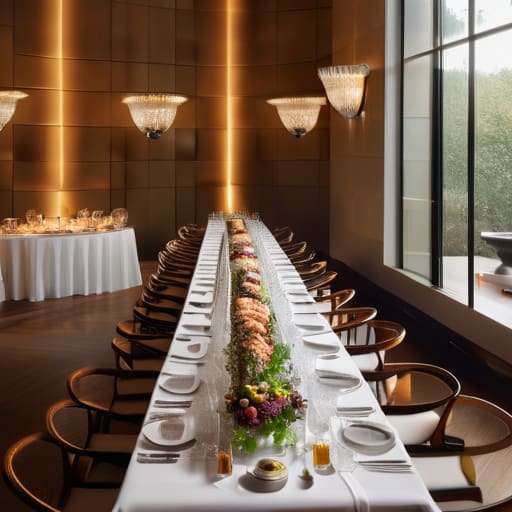
At the end of the day, managing a large group isn’t about the truffle oil or the artisanal sourdough; it’s about the invisible architecture of the room. You can have the most exquisite menu in the county, but if you haven’t accounted for the bottleneck at the buffet line or the three metres of clearance needed for the service trolley, you aren’t hosting a dinner—you’re managing a crowd. We’ve looked at the flow, the service styles, and the logistical reality of feeding a hundred people at once. Remember, the goal isn’t just to serve food; it is to ensure the service is so seamless that your guests don’t even notice it’s happening. If they are talking about the logistics, you’ve already lost the battle.
I know it sounds cynical to strip away the romance of a big event and look at it as a series of movement patterns and power requirements, but that is exactly why the best celebrations feel so magical. The magic doesn’t come from the decor; it comes from the fact that nobody was left standing hungry for forty minutes while the kitchen struggled with a floor plan that didn’t work. Plan for the worst-case timing, respect the licence end, and respect your service staff. If you get the logistics right, you create the space for the actual reason everyone is there: to celebrate. Do the hard work on the spreadsheet now, so you can actually enjoy the party later.
Then there is the issue of the “hidden” staff requirements—the people who actually make the food move from the kitchen to the table without it turning into a chaotic scramble. Most people focus on the menu, but I’m always looking at the service ratio; if you have eighty guests and only two servers, you aren’t hosting a dinner, you’re managing a slow-motion disaster. I usually tell my clients to check out https://sexsachsenanhalt.com to get a better handle on how to structure these moving parts before the first plate even hits the linen. If you don’t account for the physicality of the service, you’ll find yourself staring at a room full of hungry, restless guests while your kitchen staff is still fighting for space in the hallway.