I once spent three hours in a drafty, converted barn trying to explain to a very expensive florist why her three-ton installation of dried eucalyptus was currently blocking the only fire exit. Everyone was staring at the fairy lights and the rustic charm, but I was staring at the single, overworked power socket and the fact that the caterer’s van was stuck in a muddy ditch fifty yards from the kitchen entrance. If you want to learn how to run an event in an unusual space, you have to stop looking at the Pinterest boards and start looking at the floor plan. The “character” of a non-traditional venue is usually just a polite way of saying it lacks a proper loading bay or a reliable fuse box.
I’m not here to tell you which linen napkins will pop against a brick wall; I’m here to talk about the invisible friction that actually ruins a night. I’m going to walk you through the gritty reality of site visits, power requirements, and the logistical nightmares that nobody photographs. By the time we’re done, you’ll know exactly how to manage the gap between a beautiful concept and a functioning reality before the first guest arrives and the licence end starts ticking down.
Table of Contents
Mastering Non Traditional Venue Logistics and Hidden Constraints
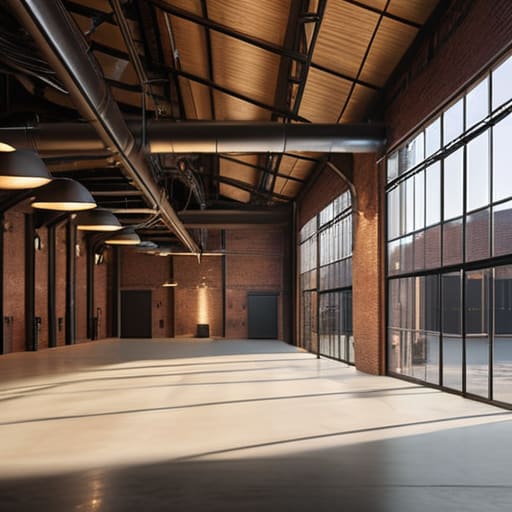
When you step into a converted barn or a raw industrial warehouse, the first thing you see is the “vibe.” The second thing you should be doing is looking for the floor drains and the electrical sockets. Most people fall in love with the aesthetic and forget that power and utility requirements for pop-up events are not suggestions; they are non-negotiable laws of physics. If your caterer shows up with three induction hobs and a coffee machine, but you’ve only got one daisy-chained extension lead running off a single domestic circuit, your “dream wedding” is about to become a very expensive dark room.
You also need to stop looking at the floor plan as a drawing and start looking at it as a series of bottlenecks. I’ve seen beautifully styled events grind to a halt because the “unconventional layout” meant three hundred people were trying to squeeze through a single narrow doorway to get to the bar at the same time. Managing crowd flow in unconventional layouts isn’t about where you put the flowers; it’s about ensuring the path from the ceremony to the drinks reception doesn’t become a human logjam. If you haven’t mapped out the movement of the guests and the service staff, you aren’t planning an event—you’re just hoping for the best.
The Site Inspection Checklist for Unique Venues You Actually Need

When you show up for a site visit, don’t just stand in the middle of the room and admire the high ceilings or the exposed brick. That’s what the clients do. You need to walk the perimeter like you’re looking for a leak. Your site inspection checklist for unique venues should start with the things that aren’t pretty: the width of the service entrance, the weight capacity of the floor, and whether that “charming” stone staircase is going to become a bottleneck for eighty guests trying to find the bar at once.
I’ve seen more events derailed by a lack of sockets than by bad music. If you are looking at event production in industrial spaces, you need to stop looking at the aesthetic and start hunting for the distribution boards. Ask exactly how many amps you have access to and where the nearest water source is. If you’re planning a pop-up, you can’t just assume the landlord has thought about your coffee machine or your caterer’s warming ovens. If the power isn’t there, your “effortless” evening becomes a very expensive exercise in eating cold food by candlelight.
Five Ways to Stop a Unique Venue from Becoming a Logistics Nightmare
- Stop obsessing over the aesthetic and start checking the floor load. If you’re planning a wedding in a converted barn or a rooftop terrace, you need to know if that beautiful vintage dance floor is actually going to hold sixty people doing the Macarena at 10 PM, or if you’re one heavy bassline away from a structural crisis.
- Map your “invisible” pathways. In a standard hotel, the staff knows how to get from the kitchen to the table without tripping over a guest. In an unusual space, you have to manually plot the route. If your caterers have to navigate a narrow staircase or a gravel path to reach the buffet, your hot food is going to arrive lukewarm, and your service timings will go straight out the window.
- The “Toilet-to-Bar” ratio is more important than your colour palette. People don’t care how many fairy lights you have if they’re queuing twenty minutes for a loo or waiting half an hour for a gin and tonic. In non-traditional spaces, facilities are rarely scaled for a crowd, so you either need to rent more portable luxury units or double your bar staff.
- Respect the hard stop. In a purpose-built venue, there’s usually a bit of wiggle room, but with unusual spaces, the licence end is a brick wall. If the council says the music stops at midnight, it stops at midnight. If you haven’t factored in the time it takes to clear 150 empty glasses and get people toward the exits, you’ll be paying fines before the last guest has even found their coat.
- Plan for the “Plan B” that actually works. Everyone has a “rain plan,” but most of them are rubbish. A “rain plan” shouldn’t just be “everyone huddles under a small marquee.” It needs to account for the extra power needed for heaters, the extra staff needed to move people indoors, and the fact that your guests’ silk dresses don’t play well with mud.
The Reality of the Finish Line
At the end of the day, running an event in an unconventional space comes down to respect for the constraints. You can have the most stunning vision in the world, but if you haven’t accounted for the single narrow access point, the lack of a dedicated prep kitchen, or the hard stop of a 1:00 AM licence, that vision is going to hit a wall. Success isn’t found in the aesthetic; it’s found in the invisible infrastructure—the power loads, the floor plans, and the contingency plans for when the weather turns or the delivery truck gets stuck in a courtyard. If you solve the logistics before the first guest arrives, you aren’t just managing a room; you are controlling the chaos before it has a chance to start.
Don’t let the lack of a traditional ballroom scare you off, though. There is a specific kind of magic that happens when a space feels intentional rather than institutional. When you nail the timings and respect the quirks of a non-traditional venue, the guests don’t notice the struggle; they only notice how seamless everything feels. They see the atmosphere, the character, and the flow, never realizing that the “effortless” vibe was actually the result of meticulous, back-end planning. Build your event on a foundation of solid logistics, and you’ll find that the most unconventional spaces often host the most unforgettable memories.
Frequently Asked Questions
How do I handle the "invisible" costs like extra lighting or portable toilets without blowing my entire budget?
Stop looking at the quote for the venue and start looking at the quote for the infrastructure. You haven’t actually booked a garden party; you’ve booked a logistical nightmare that requires lighting, power, and sanitation. Don’t let “aesthetic” steal your bottom line. Budget a 15% “invisible contingency” specifically for the stuff that keeps the party from turning into a dark, smelly disaster. If you haven’t priced the generator and the loos, your budget is a lie.
If the venue doesn't have a dedicated kitchen, how do I make sure the food actually arrives hot and not just lukewarm?
If there’s no kitchen, you aren’t just booking a meal; you’re booking a mobile logistics operation. Forget the menu for a second and look at the transit time. You need to map the exact path from the delivery van to the plating station. If that path involves three sets of double doors and a gravel walkway, your food is losing heat every second. Demand a dedicated warming zone and ensure your caterer has enough hot boxes to bridge the gap between the van and the plate.
What’s the best way to manage the transition from a ceremony to a dinner when there isn't a separate room to move guests into?
You’re playing a dangerous game with the clock here. If you don’t have a separate room, you aren’t “transitioning”—you’re performing a high-stakes stage reset. You have exactly thirty minutes from the last “I do” to the first course, or you’ll have hungry guests staring at half-set tables. My rule: don’t move the people; move the furniture. Use a dedicated crew, clear floor paths, and for heaven’s sake, ensure the caterers aren’t fighting the chairs for space.